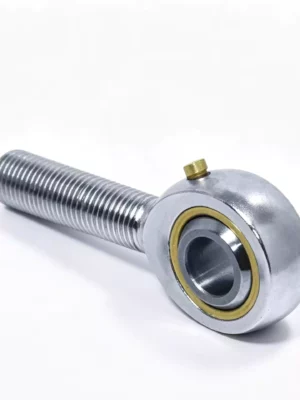
UCPA / UCPA-A / UCPW / UCPG tapped-base pillow block families for applications where the machine frame needs a tapped or compact base interface rather than the conventional slotted two-bolt UCP foot. Catalog evidence covers the set screw type in the cataloged uc families and threaded/tapped base or compact pedestal arrangement; confirm the exact size row and operating conditions before ordering.
A sound first check for this family is whether the shaft support needs the machine frame needs a tapped or compact base interface rather than the conventional slotted two-bolt UCP foot. In the supplied catalog, UCPA / UCPA-A / UCPW / UCPG is shown as tapped-base pillow block families with set screw type in the cataloged uc families and threaded/tapped base or compact pedestal arrangement. For UCPA / UCPA-A / UCPW / UCPG, quotation work moves faster when the source designation, shaft or bore dimension and the controlling mounting measurements are checked before optional seal, grease or housing requests are discussed.
Catalog-derived product drawing / mounting view.
Series
UCPA / UCPA-A / UCPW / UCPG
Shaft Lock
Set screw type in the cataloged UC families
Mounting
Threaded/tapped base or compact pedestal arrangement
Evidence
Supplied catalog, PDF pages 22-23
Product Role
The bearing portion carries rotation; the surrounding geometry makes that bearing usable as a maintainable machine component. The set screw type in the cataloged uc families used by UCPA / UCPA-A / UCPW / UCPG also affects assembly access, so space around the shaft end belongs in the selection review.
Construction & Fit
The unit geometry is built around a defined shaft interface and a defined stationary mounting interface. For UCPA / UCPA-A / UCPW / UCPG, that chain includes set screw type in the cataloged uc families at the shaft and threaded/tapped base or compact pedestal arrangement at the machine. For UCPA / UCPA-A / UCPW / UCPG, if the bearing/housing arrangement incorporates a spherical seating concept, use that only for limited static mounting tolerance; it is not a remedy for a bent shaft or a distorted frame.
Applications
Typical installations can be found in compact frames, tensioning mechanisms, packaging lines and machine assemblies where mounting access is limited. For UCPA / UCPA-A / UCPW / UCPG, a compact installation that blocks removal tools or grease access may create unnecessary maintenance time later.
Engineering Review
UCPA, UCPW and UCPG families solve mounting situations where the machine needs a compact or tapped base rather than a conventional slotted pillow-block foot. The thread size, engagement length and orientation become part of the installation interface. A replacement that uses the right insert but the wrong tapped geometry can stop the job before the shaft is even locked. Record the machine-side threads and available bolt depth as part of the enquiry.
Because the housing can be mounted into a compact frame, inspect the surrounding structure for fretting or thread damage. Repeated loosening may come from insufficient engagement or a flexible bracket rather than bearing wear. During assembly, establish the housing position without using the thread to pull a misaligned shaft into place. That distinction helps protect both the bearing seat and the machine structure.
Tapped-base units should be checked with a thread gauge or known fastener when the original bolt specification is uncertain. Thread diameter alone is not enough if pitch or available engagement is wrong. Photograph the mounting hole depth and any bottoming marks on the old bolts. This evidence can explain loosening and prevents a replacement from being blamed for a fastener problem created by the machine frame.
Record the fastener length actually engaged in a tapped-base housing, not simply the overall bolt length. Washers, brackets and blind-hole depth can reduce usable thread engagement. This small check helps separate a bearing-unit problem from a mounting-fastener problem and gives the quotation reviewer a practical basis for confirming the intended base interface.
Technical Specifications
Parameter
Specification / Selection Note
Product form
Tapped-base pillow block families
Catalog series
UCPA / UCPA-A / UCPW / UCPG
Shaft locking
Set screw type in the cataloged UC families
Machine mounting
Threaded/tapped base or compact pedestal arrangement
Material confirmation
Confirm the exact material grade for UCPA / UCPA-A / UCPW / UCPG on the quotation or current drawing; this page does not infer grade from appearance
Seal / lubrication review
Check the selected UCPA / UCPA-A / UCPW / UCPG designation together with speed, contamination and cleaning conditions
Technical source
Supplied bearing catalog, PDF pages 22-23
Catalog specification and dimensional reference. Confirm the exact row before ordering.
Dimensional Data
The table below gives catalog-backed core dimensions for UCPA / UCPA-A / UCPW / UCPG where the scan is legible. For UCPA / UCPA-A / UCPW / UCPG, the specification image in the gallery remains the reference for the complete drawing and every dimension on the selected size row.
Catalog Series
Shaft Lock / Interface
Unit Form
Mounting Geometry
Source
UCPA
Set screw type
Tapped-base pillow block
Threaded base
PDF page 22
UCPA-A
Set screw type
Tapped-base pillow block
Threaded base
PDF page 22
UCPW
Set screw type
Compact/tapped base
Catalog-specific base
PDF page 23
UCPG
Set screw type
Compact/tapped base
Catalog-specific base
PDF page 23
Selection Notes
For existing equipment, record the old assembly before loosening anything. With UCPA / UCPA-A / UCPW / UCPG, verify the bore, the dimensions that locate the threaded/tapped base or compact pedestal arrangement, and tool access for set screw type in the cataloged uc families. For UCPA / UCPA-A / UCPW / UCPG, include quantity after identification is clear; repeating the same wrong interface across several units only multiplies rework.
Mounting & Integration
Check thread size and available engagement in the machine structure, keep the mounting surface square, then lock the insert on the shaft after the housing position is established. The main installation hazard for UCPA / UCPA-A / UCPW / UCPG is that thread engagement and base orientation become part of the bearing selection; matching the insert but overlooking the tapped housing geometry can stop installation. The last mechanical check for UCPA / UCPA-A / UCPW / UCPG is simple: confirm free movement and make sure the assembly was not pulled out of alignment by final bolt torque.
Maintenance & Inspection
Inspect the threaded mounting points for looseness or fretting and verify the housing has not rotated under cyclic loads before adjusting the bearing itself. After the first operating period, recheck UCPA / UCPA-A / UCPW / UCPG for unusual sound, heat and fastener movement, then set the routine interval from actual machine behavior.
Customization & RFQ
For a direct UCPA / UCPA-A / UCPW / UCPG replacement, document the old unit, shaft and mounting face before asking for material or sealing alternatives. If UCPA / UCPA-A / UCPW / UCPG sees moisture, process debris, chemicals or frequent cleaning, include those facts so the seal and lubrication arrangement can be reviewed. Ever Power Netherlands Branch can then review options for UCPA / UCPA-A / UCPW / UCPG against the supplied application instead of presenting unverified material, seal or grease claims as standard catalog facts.
Cataloged Models
Documented variants are UCPA; UCPA-A; UCPW; UCPG. A UCPA / UCPA-A / UCPW / UCPG enquiry should preserve the precise code shown on the drawing rather than substituting a family nickname.
Product FAQ
What should be matched first when replacing UCPA / UCPA-A / UCPW / UCPG?
Treat the fixed machine dimensions as the first filter for UCPA / UCPA-A / UCPW / UCPG: shaft size plus threaded/tapped base or compact pedestal arrangement. After that, verify the complete UCPA / UCPA-A / UCPW / UCPG designation and set screw type in the cataloged uc families against the source drawing before discussing optional features.
Can the locking method be changed to another bearing family?
A different lock can be considered, but it becomes a machine-selection decision rather than a simple UCPA / UCPA-A / UCPW / UCPG replacement. For a UCPA / UCPA-A / UCPW / UCPG redesign, check shaft condition, axial space, bearing width and tool access before approving the change.
How should sealing and lubrication requirements be specified?
State what reaches the UCPA / UCPA-A / UCPW / UCPG location and how often the machine runs. Include water, abrasive material, cleaning agents and temperature. Sales engineering can then check the available UCPA / UCPA-A / UCPW / UCPG seal and lubrication arrangement against the exact size.
What should be included with the quotation request?
Provide the UCPA / UCPA-A / UCPW / UCPG designation, shaft measurement, mounting sketch, operating speed, load direction, quantity and photos showing surrounding components. For tapped-base pillow block families, the machine-side mounting dimensions are especially important.
Evidence Note
The UCPA / UCPA-A / UCPW / UCPG page is anchored to the supplied catalog scan. That UCPA / UCPA-A / UCPW / UCPG source governs the dimensions and model relationships used in this import row. The gallery drawing for UCPA / UCPA-A / UCPW / UCPG is a direct catalog crop, not an AI-generated technical illustration. Any application visualization added later for UCPA / UCPA-A / UCPW / UCPG should be treated as illustrative rather than as dimensional evidence.
Source boundary for UCPA / UCPA-A / UCPW / UCPG: geometry and transcribed dimensions are based on the supplied catalog, PDF pages 22-23. For UCPA / UCPA-A / UCPW / UCPG, Drive research was restricted to private buyer context, while public web research supported terminology and WP All Import workflow.
Send Replacement Dimensions
To check UCPA / UCPA-A / UCPW / UCPG, provide the old part number if available, the controlling dimensions, duty conditions and installation images. Ever Power Netherlands Branch can use that UCPA / UCPA-A / UCPW / UCPG information to narrow the correct catalog variant.
Stainless steel gearboxes are widely used in industrial transmission fields due to their high strength and corrosion resistance. However, in actual use, stainless steel gearboxes may still malfunction due to improper design, installation, lubrication or maintenance....
In modern logistics automation systems, the CC600 Crate Conveyor Chain in Amsterdam plays a crucial role. With the continuous development of warehousing and sorting technologies, enterprises have increasingly higher requirements for the stability, efficiency and...
This article mainly explains and analyzes the structural design characteristics of the sprocket based on its role in the scraper conveyor, thereby leading to the necessity of researching the material and processing technology of the sprocket and the key technical...