

The economically useful comparison is the cost of delivered reliable work over the planned service period. Comparing incomparable packages biases the award decision. Refer to the industrial reducer lifecycle cost guidance. Record equipment, documentation, freight and required accessories. Approve costs for the delivered configuration.
Normalize purchase scope
Quantify unplanned downtime exposure
Present assumptions transparently
Normalize purchase scope
Different quotations can include different motors, flanges, couplings, paint or accessories; a bare reducer price can appear cheaper than a fully mounted gearmotor offer.
Comparing incomparable packages biases the award decision; prepare matching technical inclusion lists for each offer.

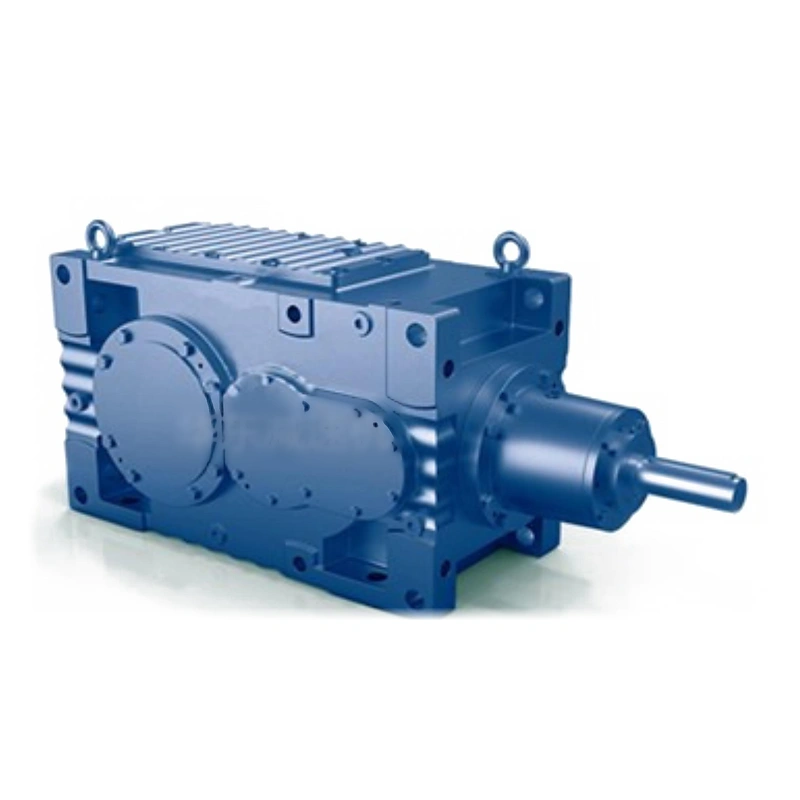
Record equipment, documentation, freight and required accessories; compare equal installed scope before ranking price; a low headline price may conceal necessary integration expenditure.
Include mechanical integration cost
Existing frame modifications and shaft adapters can be substantial; a replacement requiring new holes or coupling changes may prolong shutdown.
Assuming installation is free understates retrofit cost; estimate machining, rigging, alignment and control integration labor.

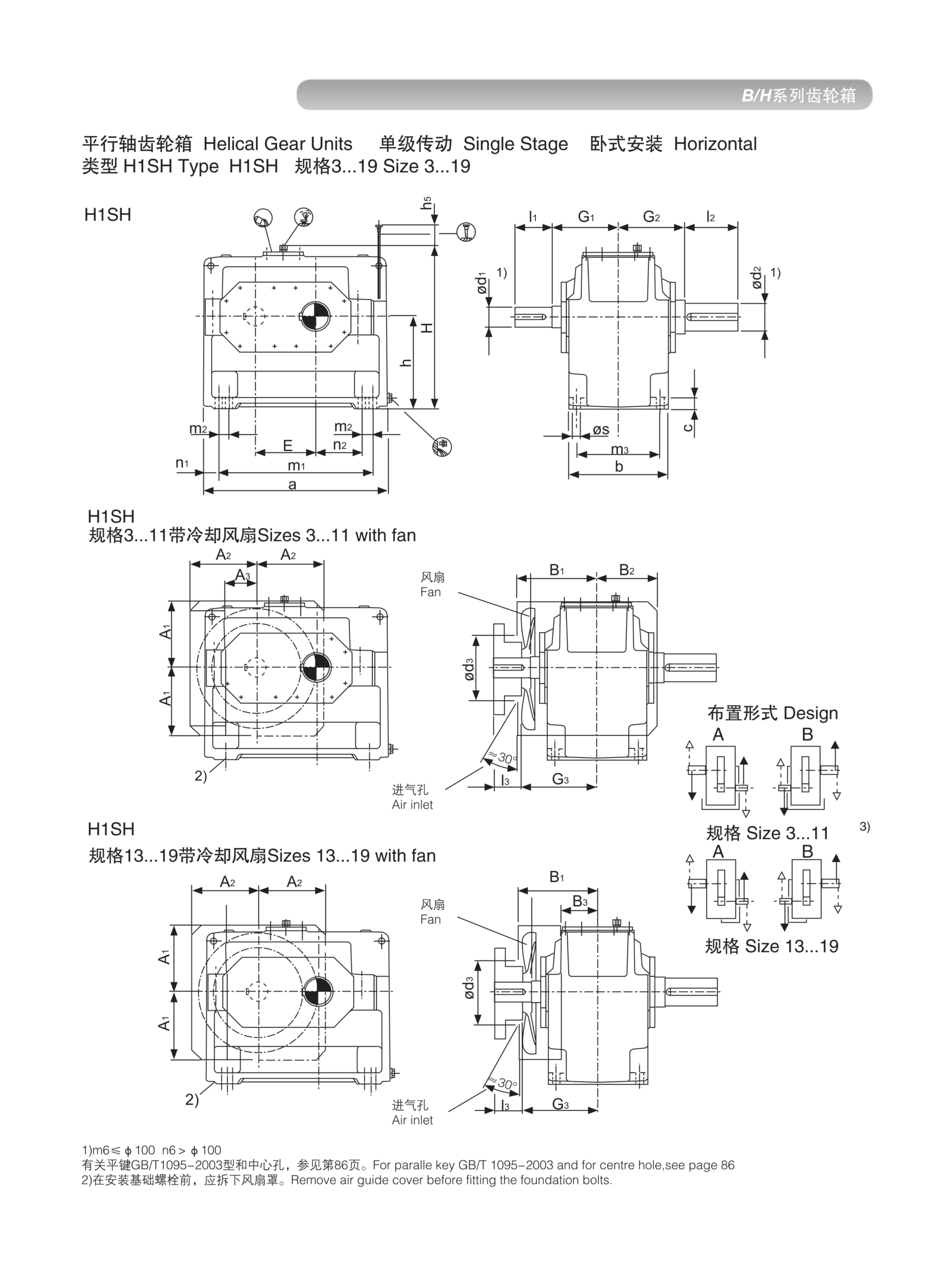
Use actual machine access and contractors in the estimate; approve costs for the delivered configuration; dimensional compatibility often matters more than a modest price gap.
Use measured energy demand
Electrical cost depends on useful production, load, run hours and real tariff; a more efficient unit may offer little saving on seasonal light duty.
Unverified brochures cannot establish annual kWh differences; collect plant operating hours and power measurements.


Model duty-weighted energy use at equal production output; claim savings only where engineering or measurement supports them; a universal percentage can greatly exaggerate lifetime value.
Estimate planned maintenance
Lubricant, seals, inspections and labor all carry cost; a high-mounted reducer may take hours longer to service than one at floor level.
Simple calendar oil cost overlooks actual accessibility; record oil quantity, service procedure and required manpower.
Include spare-part and consumable costs with source estimates; use realistic labor hours for the site layout; poor access can dominate a seemingly inexpensive routine service.
Quantify unplanned downtime exposure
A drive on a bottleneck line has different consequence from a spare utility unit; loss of throughput and labor during a breakdown may exceed component price.
Invented annual failure frequency gives false confidence; use own plant incident records and criticality analysis.

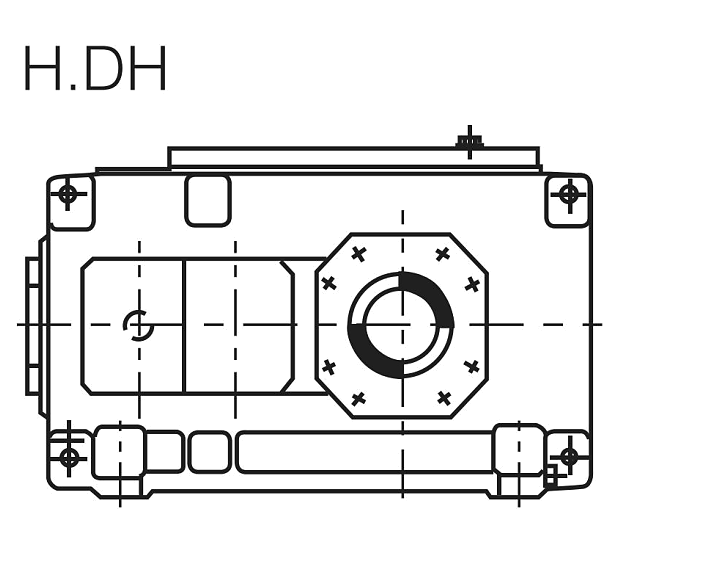
Estimate recovery time and output lost under plausible outages; show results as scenarios with data ownership; a single average failure assumption is rarely credible for every application.
Loss of throughput and labor during a breakdown may exceed component price. Invented annual failure frequency gives false confidence. Examine the industrial reducer lifecycle cost layout example. Estimate recovery time and output lost under plausible outages. Show results as scenarios with data ownership.
Check spares and logistics
Long lead time or special mounting variants can extend repair duration; having a compatible spare is more valuable than an unrelated unit on the shelf.
Generic supplier stock promises do not guarantee future availability; confirm spare part identities and documented interchangeability.

Include shipping, customs, emergency freight and storage choices; value a reliable recovery pathway rather than only inventory cost; a wrong spare can delay a shutdown despite appearing similar.
Include end-of-life and changes
Future process speed or material may change the required gearbox duty; a cheaper unit with narrow approved envelope may require early redesign.
Ignoring planned plant expansion underestimates project risk; document capacity changes and potential mounting revisions.
Use realistic scenarios for expansion and replacement; choose a solution with understood future constraints; technical flexibility should be justified, not given an arbitrary monetary premium.
Present assumptions transparently
Financial outputs depend on uncertain energy, maintenance and downtime inputs; two reasonable scenarios may reverse the preferred option.
A single precise number can hide the real purchase risk; show low, central and high cost cases with units.
Identify source, owner and review date for every major estimate; approve a decision that remains defensible under tested assumptions; a useful TCO model is a decision aid rather than a guaranteed future outcome.
Illustrative engineering scenario: A procurement decision between industrial gearbox alternatives
A plant has two offers to replace a conveyor reducer. Offer A has the lower purchase price, but it requires a new base and output coupling. Offer B costs more initially and uses the current interface. A simple purchase-price ranking favors A; a lifecycle decision needs more information. The buyer records installed scope, machining and rigging costs, downtime for the changeover and any additional inspection or lubricant requirements. The two quoted arrangements are compared at the same machine torque and speed. If one candidate lacks approval for the shaft radial load or continuous thermal duty, the economic comparison is conditional: an unverified engineering risk should not be converted into a fictional probability of failure.
For energy, suppose the conveyor works one shift on four days each week, with lighter operation during part of the year. The calculation must use an observed or realistically supported schedule rather than assuming full-load operation every hour of the year. Electrical input includes motor and drive losses that should be kept separate from gearbox losses if the parts differ between offers. A measured before-and-after comparison at equal useful throughput would be stronger than a general efficiency claim. The analyst records the electricity price and tests more than one operating-hour case because production plans may change.
Maintenance then contributes actual service costs. One reducer has easy access to oil and seals, while the other requires additional guard and shaft disassembly. The difference affects labor and possible production interruption. Spare availability, repair lead time and exact mounting variants are recorded with supplier evidence, not assumed from a global brochure. If the drive is a bottleneck for the plant, management models plausible outage durations using internal maintenance history. It does not assign a universal annual failure probability to every gearbox family.
The total-cost table shows a low, central and high scenario for uncertain energy prices, service labor and downtime. The preferred option may switch between scenarios; that is important information rather than a failure of the model. Decision makers can then ask which assumptions are controllable and which need better evidence. The accepted gearbox should still pass all technical interface and safety checks. Total cost of ownership is meant to illuminate reliable production economics, not justify a mechanically unsuitable item because its spreadsheet total looks attractive.
Sensitivity is particularly useful where a plant has no complete maintenance failure history. The model can present a range of credible outage lengths rather than claiming a precise annual probability. Decision makers should see which uncertainty most affects the award and can request better evidence where it matters. This is preferable to treating all unknowns as zero or selecting a worst-case value without explanation.
The purchase decision should ultimately reference a signed engineering comparison alongside the financial model. If an option lacks allowable shaft-load data, that omission is recorded as an engineering hold rather than translated into an arbitrary monetary penalty. Technical truth and financial judgment remain distinct, and both are needed for a responsible equipment investment.
Five-stage review for a procurement decision between industrial gearbox alternatives
-
Normalize purchase scopePrepare matching technical inclusion lists for each offer. Compare equal installed scope before ranking price.
-
Include mechanical integration costUse actual machine access and contractors in the estimate. Dimensional compatibility often matters more than a modest price gap.
-
Estimate planned maintenanceRecord oil quantity, service procedure and required manpower. Use realistic labor hours for the site layout.
-
Check spares and logisticsInclude shipping, customs, emergency freight and storage choices. A wrong spare can delay a shutdown despite appearing similar.
-
Present assumptions transparentlyShow low, central and high cost cases with units. Approve a decision that remains defensible under tested assumptions.
Engineering comparison matrix: helical gearbox total cost of ownership
| Engineering question | Evidence to collect | Review decision |
|---|---|---|
| Normalize purchase scope | Record equipment, documentation, freight and required accessories. | Compare equal installed scope before ranking price. |
| Include mechanical integration cost | Use actual machine access and contractors in the estimate. | Approve costs for the delivered configuration. |
| Use measured energy demand | Model duty-weighted energy use at equal production output. | Claim savings only where engineering or measurement supports them. |
| Estimate planned maintenance | Include spare-part and consumable costs with source estimates. | Use realistic labor hours for the site layout. |
| Quantify unplanned downtime exposure | Estimate recovery time and output lost under plausible outages. | Show results as scenarios with data ownership. |
| Check spares and logistics | Include shipping, customs, emergency freight and storage choices. | Value a reliable recovery pathway rather than only inventory cost. |
Frequently Asked Questions
Is the lowest purchase price the lowest gearbox ownership cost?
How should energy cost be included in a TCO model?
What should be done when plant failure history is incomplete?
Can financial modeling justify a gearbox without verified shaft-load ratings?
What makes a final review credible for a procurement decision between industrial gearbox alternatives?
A cheaper unit with narrow approved envelope may require early redesign. When comparing actual mounting geometry, use the industrial reducer lifecycle cost configuration options. Use realistic scenarios for expansion and replacement.
Show low, central and high cost cases with units. For an engineering quotation that records the open conditions, contact the technical team about industrial reducer lifecycle cost. Approve a decision that remains defensible under tested assumptions.
Engineering sources for Helical Gearbox Total Cost of Ownership for Industrial Buyers
For the helical gearbox total cost of ownership for industrial buyers workflow, consult these reference documents alongside the actual model installation manual:
- Helical Gearbox Total Cost of Ownership for Industrial Buyers: SEW-EURODRIVE, Basic calculation process (analysis).
- Helical Gearbox Total Cost of Ownership for Industrial Buyers: ABB, Effects of variable speed drives on motors (interface review).
- Helical Gearbox Total Cost of Ownership for Industrial Buyers: SEW-EURODRIVE, Lubricant tables (acceptance checks).