

Service factor is meaningful only when it is tied to a defined rating method and a truthful torque-time history. A single rated current value hides short critical overload periods. Refer to the frequent-start service factors guidance. Group operating time by torque band and relevant speed for a representative shift. Check both peak drive train capacity and motor electrical starting limits.
Count starts and loaded restarts
Examine stall behavior
Carry the duty into procurement
Create a duty histogram
Real machines shift among idle, steady running and brief overload states; a recycler shredder may see many torque spikes unlike a smooth circulation pump at the same average motor kW.
A single rated current value hides short critical overload periods; capture motor current or torque estimates with enough sampling to see short events.


Group operating time by torque band and relevant speed for a representative shift; use a published selection method that covers the observed spectrum; a simple average can understate tooth contact and shaft fatigue requirements.
Count starts and loaded restarts
Acceleration introduces additional torque and mechanical stress beyond process resistance; a feeder that restarts after a blockage may encounter a different peak than an empty start.
Starts per day without load state gives an incomplete duty description; log loaded starts, emergency stops and controller ramp times by production recipe.

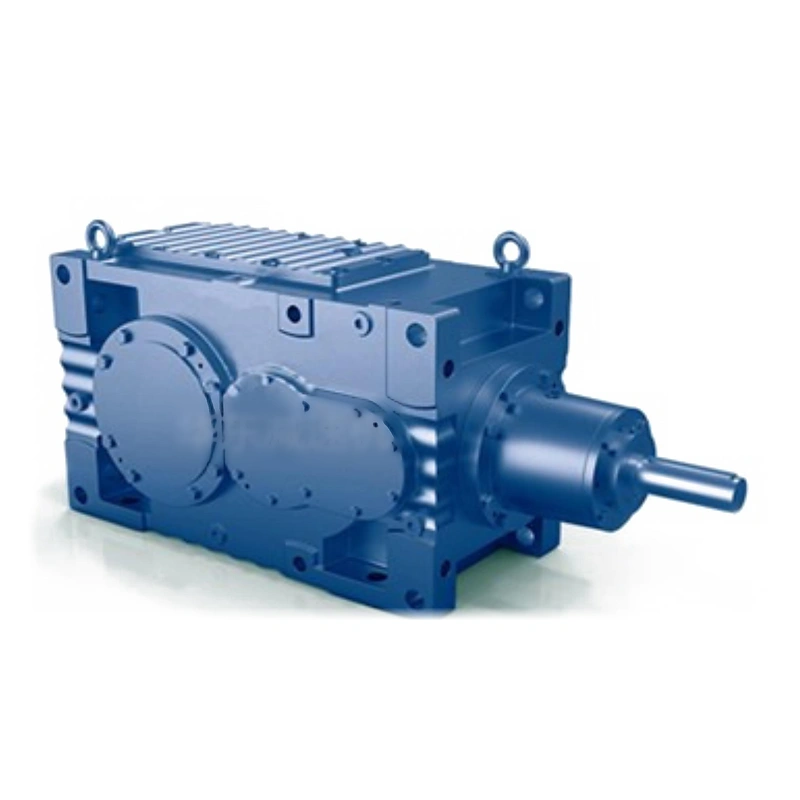
Provide peak current, acceleration time and material state during restart; check both peak drive train capacity and motor electrical starting limits; an unclassified start count can make supplier comparisons misleading.
Identify shock pulse duration
An impact caused by a falling product may last far less time than a stalled screw; transient duration affects the response of couplings, torque limiters and gear teeth.
An instantaneous maximum from low-rate sampling may be unreliable; describe the event cause, approximate duration and how often it occurs.
Use appropriate high-speed instrumentation or supplier engineering judgment where needed; confirm the reducer short-time limit and protective device settings; a normal continuous rating cannot be treated as an allowable instantaneous shock.
Define the factor convention
Manufacturers may label application factor or service factor differently; some ratings apply a factor to motor demand while others compare available to required torque.
Combining multipliers from different catalogue methods can double-count a margin; ask which reference rating and time basis each service factor uses.
Document whether the number describes operating class, application severity or available reserve; compare candidates only after converting them to the same rating convention; the largest printed factor is not necessarily the strongest gearbox.
Examine stall behavior
A drive controller can deliver substantial current while the output mechanism is jammed; motor current limits and mechanical overload clutch settings are not equivalent.
A stall can exceed transient reducer ratings without moving the machine; determine the physical jam cases and protective cutout strategy.
Collect allowed motor overload curve and coupled inertia data; verify that the combination of motor and protection limits gear loading; a software setting alone may not be sufficient machinery safety protection.
Motor current limits and mechanical overload clutch settings are not equivalent. A stall can exceed transient reducer ratings without moving the machine. Examine the frequent-start service factors layout example. Collect allowed motor overload curve and coupled inertia data. Verify that the combination of motor and protection limits gear loading.
Include reversals and backlash events
Frequent direction changes transfer torque through opposite gear tooth flanks; a reversing indexer can combine acceleration and impact when slack is taken up.
Ratings from a one-direction continuous process may not apply; record reversal rate, torque sign and any coupling or load backlash.
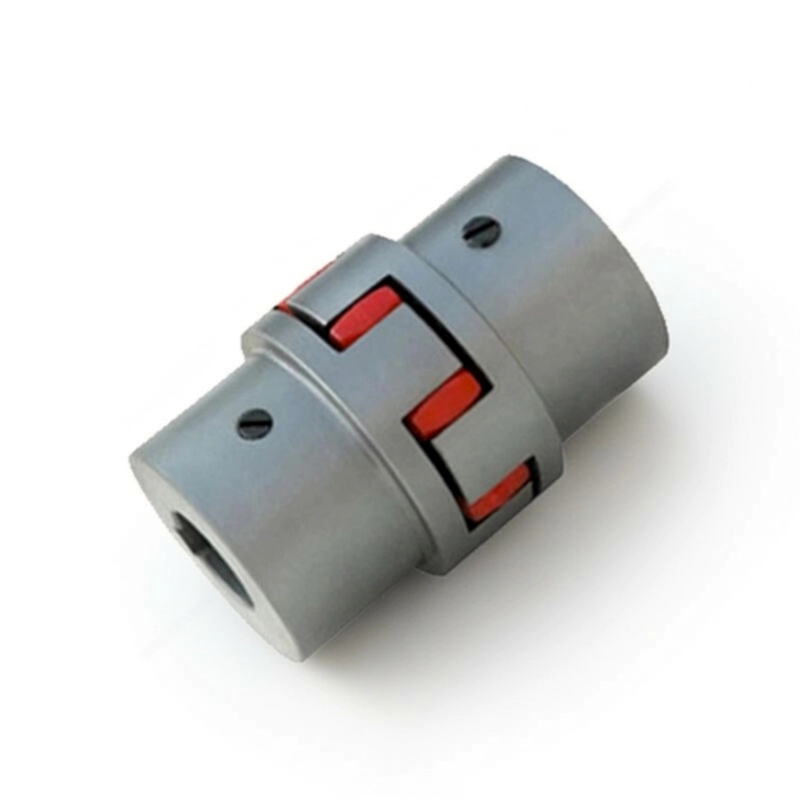
Test the highest loaded reversal within approved control settings; approve the gear train for the specified bidirectional transient duty; ignoring torque sign obscures potential bearing and structural effects.
Consider uncertainty explicitly
Commissioning data may be limited while future recipes are still being defined; a new machine sometimes runs more demanding materials after initial acceptance.
A single unlabelled contingency factor cannot cover every unknown; list uncertain inputs and collect bounding scenarios from process engineers.

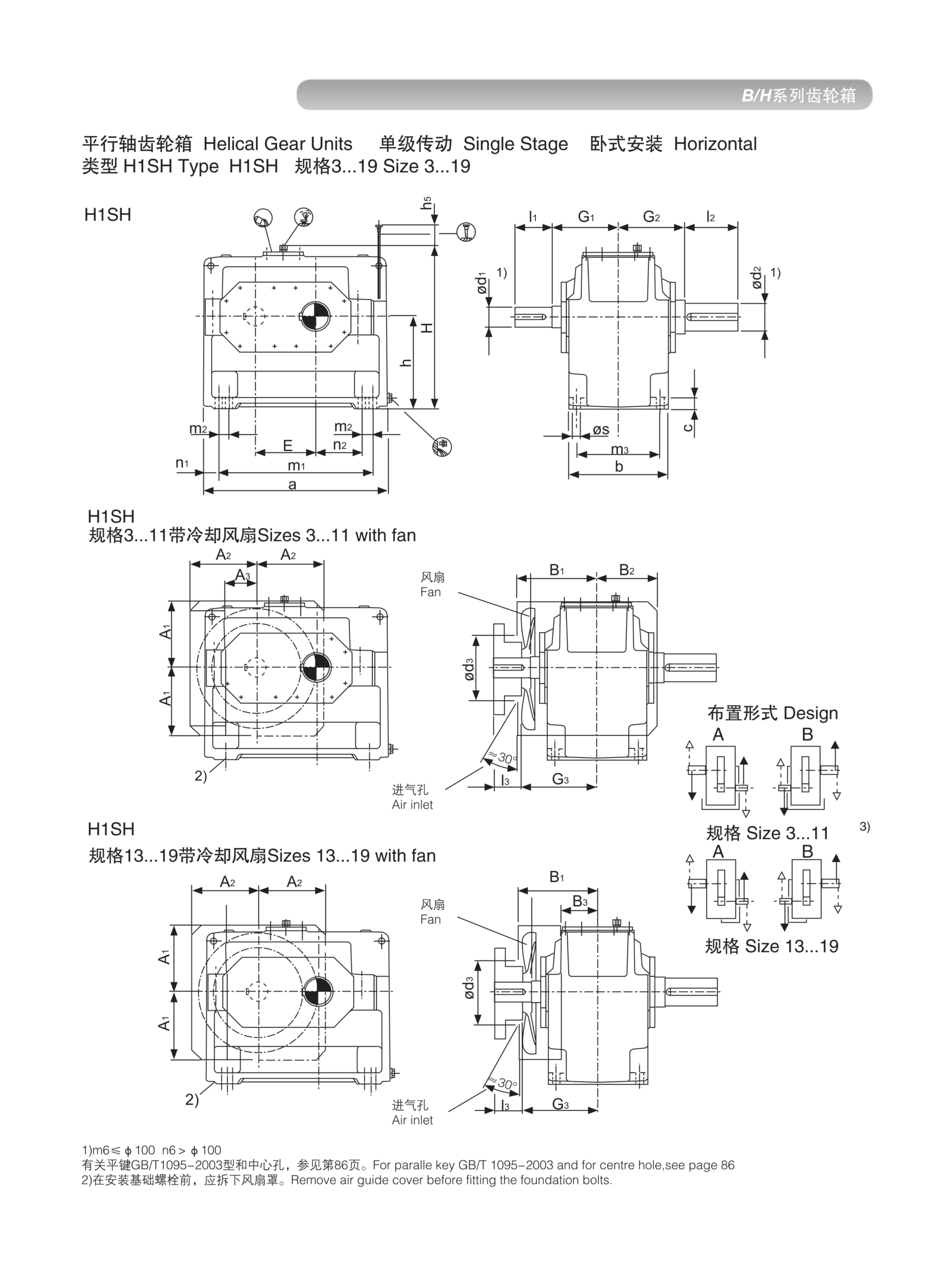
Mark assumed rather than measured loads and track approval ownership; keep the rating provisional until critical unknowns are resolved; poorly documented margin can be mistaken for proof of application capability.
Carry the duty into procurement
A buyer may receive technically different offers that quote the same nominal torque; some suppliers state intermittent capacity with conditions omitted from the offer.
A price-only comparison can reward a component tested at a different duty; attach operating torque range, event duration and requested life basis to RFQ.

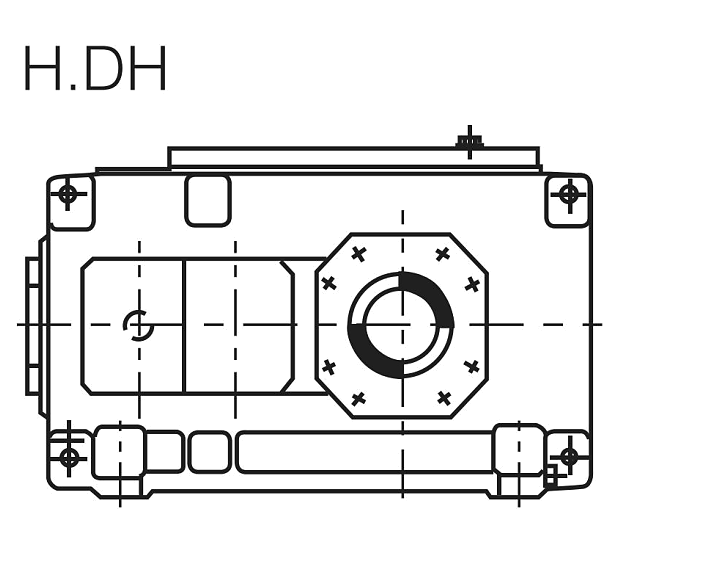
Ask for full continuous and peak ratings and the method used; choose equipment whose documented capacity covers the whole duty envelope; an unqualified service-factor statement is not a commissioning acceptance test.
Illustrative engineering scenario: A cycling industrial machine with impacts or loaded restarts
Consider a feeder that normally runs at nearly constant torque but restarts a loaded screw many times during a production shift. A spot motor-current reading during steady production may suggest a comfortable margin. The more relevant data, however, may be the short current peak during restart and the longer stall demand after a product jam. The reliability engineer prepares a torque-time sketch separating normal running, acceleration, stalled conditions, operator clearing and emergency stops. For each interval, the record identifies magnitude, estimated duration and occurrence rate. Those measurements describe a much more useful duty envelope than a single average load.
One quotation arrives with a numerical service factor and another with a stated allowable continuous output torque. These are not yet comparable. The team asks each supplier to explain how its factor is defined, which base rating it uses and whether the figure already incorporates the documented start frequency or shock class. Simply applying an additional generic multiplier could either understate the loading or double-count the same allowance. Where a manufacturer uses an application-specific selection chart, the correct chart and its boundary conditions should be included in the review record.
The control system is also assessed. A torque limiter or current setting might interrupt a jam, but mechanical inertia and response time determine how much transient load reaches the gear train before shutdown. The machine engineer checks the coupling, output shaft, bearing loads and any reversing impacts in the same calculation. Approval requires continuous and intermittent ratings under compatible assumptions, plus tested protective behavior. If a later production change increases feed rate or alters the material, the stored duty histogram becomes the basis for deciding whether a new sizing review is necessary.
A service-factor review should also identify what the load measurement cannot show. Electrical current may be a useful proxy, but its relationship to mechanical output torque depends on motor and control conditions. High-frequency mechanical events can be missed by ordinary plant logging. The integrator therefore marks estimates separately from recorded evidence and asks the reducer manufacturer which additional transient data would change the recommendation. This avoids creating an apparently precise multiplier from incomplete observations.
Five-stage review for a cycling industrial machine with impacts or loaded restarts
-
Create a duty histogramCapture motor current or torque estimates with enough sampling to see short events. Use a published selection method that covers the observed spectrum.
-
Count starts and loaded restartsProvide peak current, acceleration time and material state during restart. An unclassified start count can make supplier comparisons misleading.
-
Define the factor conventionAsk which reference rating and time basis each service factor uses. Compare candidates only after converting them to the same rating convention.
-
Include reversals and backlash eventsTest the highest loaded reversal within approved control settings. Ignoring torque sign obscures potential bearing and structural effects.
-
Carry the duty into procurementAttach operating torque range, event duration and requested life basis to RFQ. Choose equipment whose documented capacity covers the whole duty envelope.
Engineering comparison matrix: helical gearbox service factor shock loads
| Engineering question | Evidence to collect | Review decision |
|---|---|---|
| Create a duty histogram | Group operating time by torque band and relevant speed for a representative shift. | Use a published selection method that covers the observed spectrum. |
| Count starts and loaded restarts | Provide peak current, acceleration time and material state during restart. | Check both peak drive train capacity and motor electrical starting limits. |
| Identify shock pulse duration | Use appropriate high-speed instrumentation or supplier engineering judgment where needed. | Confirm the reducer short-time limit and protective device settings. |
| Define the factor convention | Document whether the number describes operating class, application severity or available reserve. | Compare candidates only after converting them to the same rating convention. |
| Examine stall behavior | Collect allowed motor overload curve and coupled inertia data. | Verify that the combination of motor and protection limits gear loading. |
| Include reversals and backlash events | Test the highest loaded reversal within approved control settings. | Approve the gear train for the specified bidirectional transient duty. |
Frequently Asked Questions
Is one service factor suitable for all helical gearboxes?
How is a loaded start different from steady running?
Can current-limit settings prevent all gearbox overloads?
What does a supplier need to assess shock loading?
What makes a final review credible for a cycling industrial machine with impacts or loaded restarts?
A new machine sometimes runs more demanding materials after initial acceptance. When comparing actual mounting geometry, use the frequent-start service factors configuration options. Mark assumed rather than measured loads and track approval ownership.
Attach operating torque range, event duration and requested life basis to RFQ. For an engineering quotation that records the open conditions, contact the technical team about frequent-start service factors. Choose equipment whose documented capacity covers the whole duty envelope.
Engineering sources for Helical Gearbox Service Factor for Frequent Starts and Shock Loads
For the helical gearbox service factor for frequent starts and shock loads workflow, consult these reference documents alongside the actual model installation manual:
- Helical Gearbox Service Factor for Frequent Starts and Shock Loads: SEW-EURODRIVE, Application-specific service factor (analysis).
- Helical Gearbox Service Factor for Frequent Starts and Shock Loads: SEW-EURODRIVE, Basic calculation process (interface review).
- Helical Gearbox Service Factor for Frequent Starts and Shock Loads: ABB, Effects of variable speed drives on motors (acceptance checks).