

Buyer takeaway
Dust can attack seals, retain heat and conceal early leakage, while material blockage changes gearbox loading. An unspecified clean industrial atmosphere understates contamination risk. Refer to the bulk-handling dust protection guidance. Map dust pathways to seals, breathers and cooling surfaces. Verify guards and service access as installed.
Classify dust exposure
Account for conveyor plugs
Consider hazardous area classification
Classify dust exposure
Fine airborne powder and large granular particles challenge equipment differently; a drive near a chute may receive direct product fallout even in a ventilated building.
An unspecified clean industrial atmosphere understates contamination risk; describe particle type, dust deposition and wash practices.

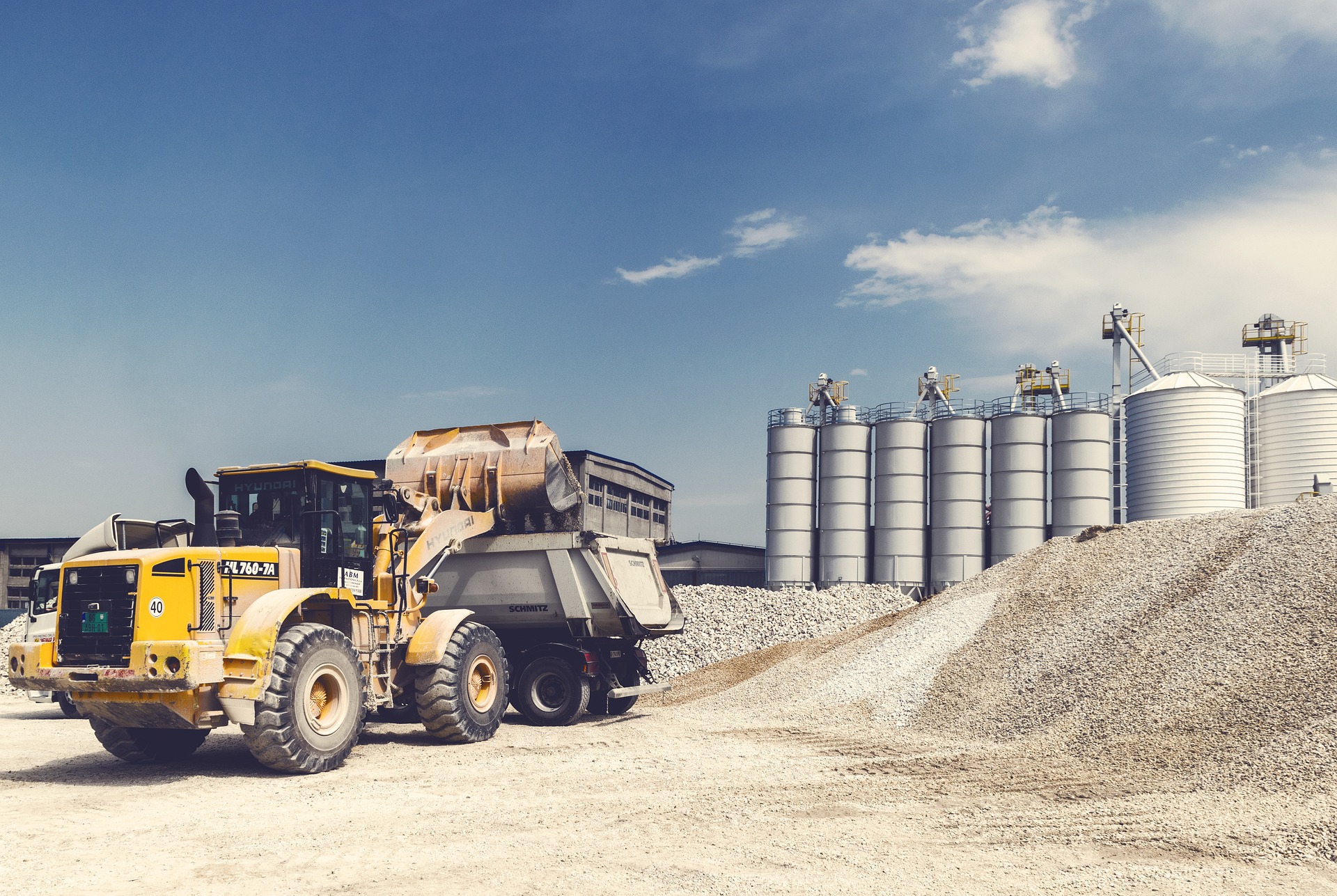
Map dust pathways to seals, breathers and cooling surfaces; choose protection supported by evidence for the actual material; contamination can degrade oil and shaft seals before visual wear appears.
Guard shaft seals from abrasion
Particles can collect against rotating shafts and damage sealing interfaces; a gearbox mounted below a discharge may receive continuous abrasive dust.
Adding a generic dust cover without a clearance review may trap material; inspect shaft exposure and guard direction.

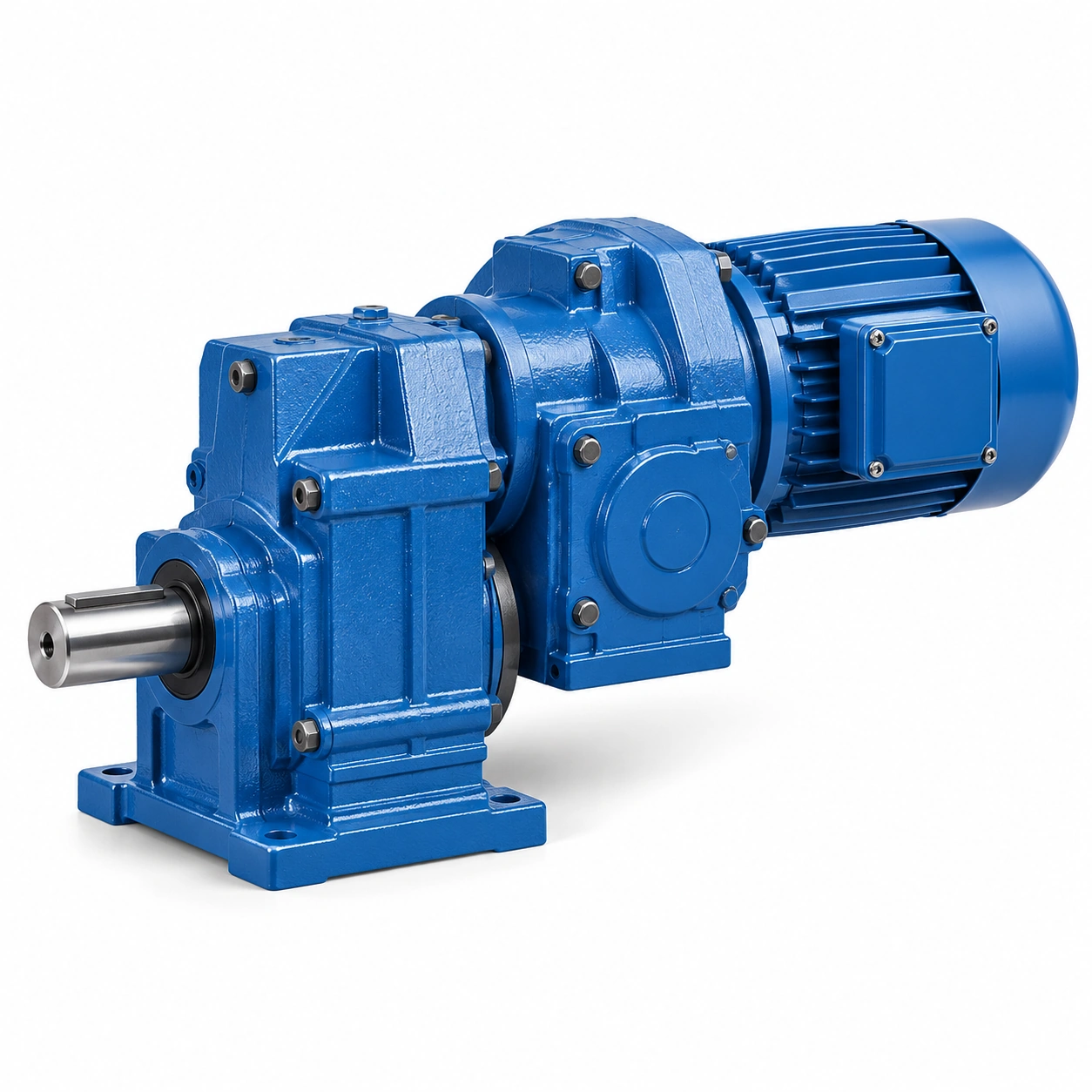
Request seal construction and wear protection suitable for the location; verify guards and service access as installed; a damaged seal may admit dust even if the casing is structurally sound.
Preserve cooling surfaces
Dust blankets can reduce heat rejection from the housing; a finned gearbox in a powder plant may become coated between maintenance visits.
Nominal torque rating may not reflect hot contaminated installation conditions; review cleaning interval and housing temperature trend.
Record local airflow and external dust accumulation; keep thermal performance within maker limits under real dust load; the absence of visible leaks does not establish acceptable heat rejection.
Account for conveyor plugs
Material blockage can drive peak torque well above steady transport duty; a stalled screw or chain conveyor can overload a drivetrain before an operator notices.
Relying on steady kW risks underestimating gear tooth shock; define jam cases, torque-limiter behavior and shutdown time.

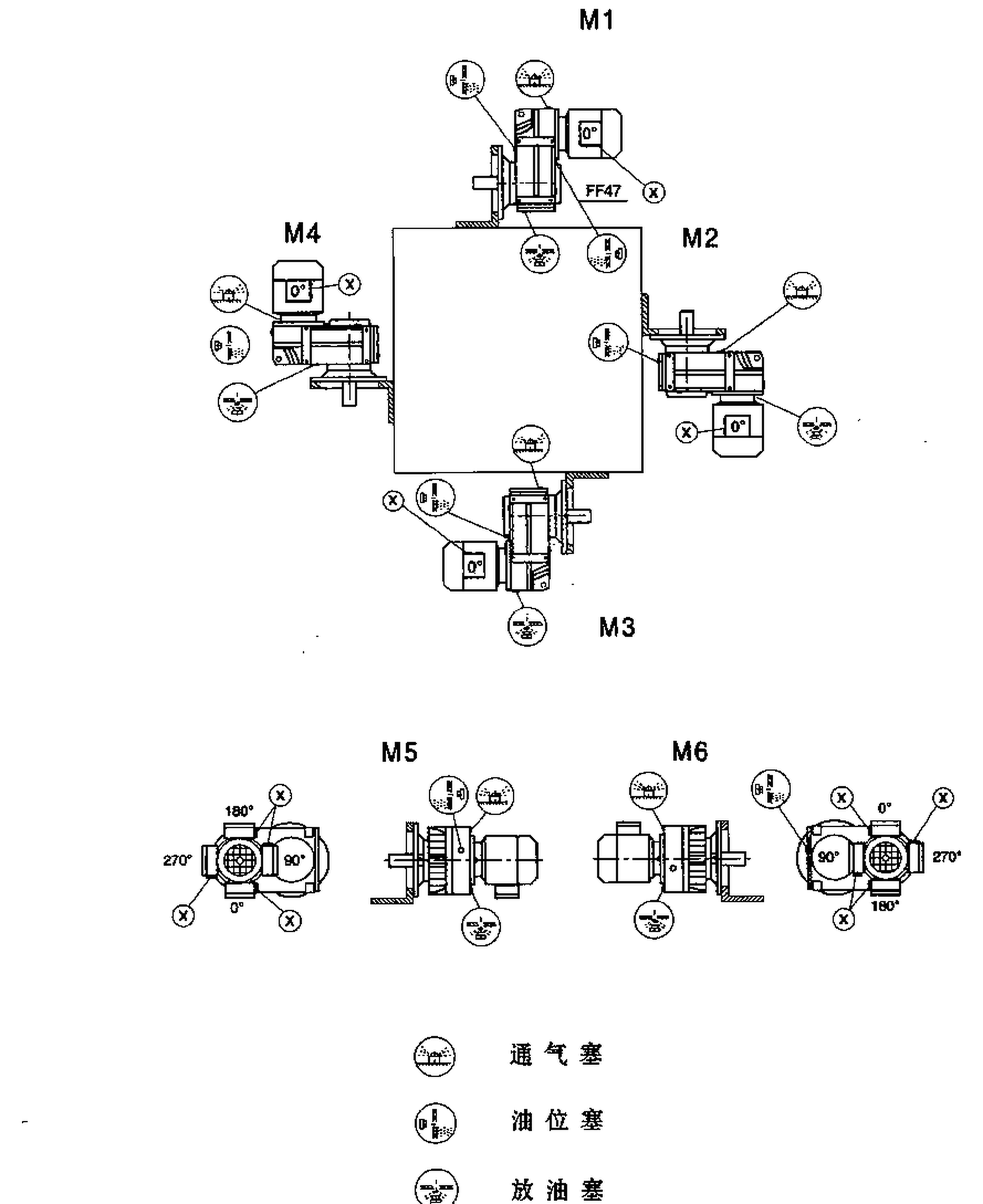
Collect motor current trends or event logs where possible; approve mechanical overload protection for the actual process; a software trip does not prove peak gear load was harmless.
Check output radial forces
Chain wheels and belt pulleys add bending load to a drive output; changing sprocket position can alter the bearing lever arm while keeping torque similar.
A large output torque number does not cover Fr automatically; calculate transmitted chain tension and side force geometry.

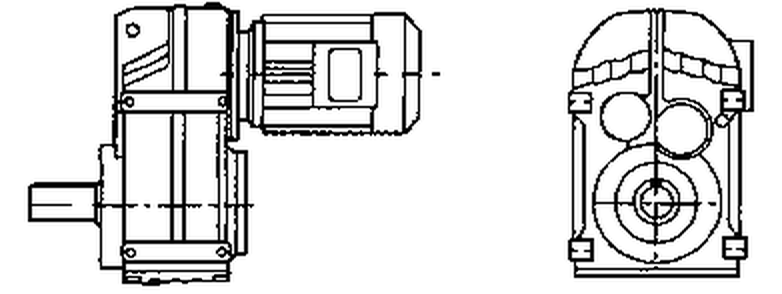
Request allowable shaft forces with defined application points; use a separate support if the reducer bearing capacity is insufficient; belt or chain force can be the limiting component of the drive.
Changing sprocket position can alter the bearing lever arm while keeping torque similar. A large output torque number does not cover Fr automatically. Examine the bulk-handling dust protection layout example. Request allowable shaft forces with defined application points. Use a separate support if the reducer bearing capacity is insufficient.
Keep oil service practical
Dusty machinery may block breather, fill and drain access with accumulated material; a vent positioned under a chute can be difficult to keep clean.
Improvised oil filling can introduce particles directly into the gearbox; plan service access and clean transfer tools during machine layout.

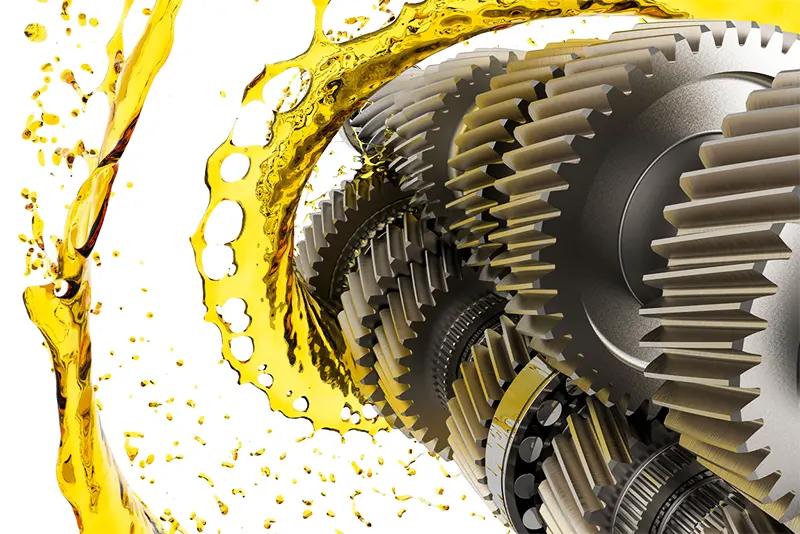
Use a validated lubricant and condition-based inspection plan; enable safe oil checks without removing major guards; poor maintenance access magnifies contamination risk.
Consider hazardous area classification
Some combustible dust environments require specialist electrical and mechanical protection; not every dusty facility is the same hazardous area classification.
A standard reducer cannot be described as explosion-protected without documentation; obtain site area classification and applicable authority decisions.
Request certified equipment evidence if requirements apply; release only a documented and assessed protection solution; assuming ordinary paint or sealing provides explosion protection is unsafe.
Monitor in the actual dust cycle
Drive condition should be measured at representative loaded throughput and contamination; a clean commissioning trial does not reproduce months of dust exposure.
Maintenance intervals inherited from another plant may be unsuitable; trend vibration, oil, temperature and seal appearance.
Record dust buildup and cleaning actions alongside equipment readings; adjust inspections on the basis of actual degradation evidence; early correlated changes offer a chance to intervene before failure.
Illustrative engineering scenario: A dusty grain, mineral or powder-handling conveyor drive
A powder-handling line uses a helical reducer near a product transfer chute. The first commissioning run is clean and quiet, and the drive seems well within its required power. After several months, a fine abrasive layer builds up around the output shaft and housing. Maintenance notices a slow oil leak and an increasing surface temperature. The two observations may be related to contamination and heat retention, but the team does not automatically conclude that the gearbox is internally defective. The failure investigation begins with the machine environment: particle type, deposition pattern, cleaning practices and exact routes toward the breather and shaft seal are documented.
During a controlled shutdown, technicians inspect the external shaft guard, vent placement and oil history. Dust coating a housing can change the heat-transfer boundary, especially when the unit is installed behind a tight panel. Any proposed cleaning or guard modification must preserve machinery safety. A replacement seal should be selected against the actual shaft arrangement and exposure rather than by appearance. The oil program may require more frequent condition checks if evidence shows accelerated contamination; a universal shortened interval is not enough justification. Temperatures are compared at matched production rate, not at random times.
The conveying process also includes occasional blocked chutes. When a slug of material stops the conveyor, torque may rise abruptly. An electrical trip or overload clutch needs to be assessed for its real response time and peak transferred load. A drive can pass the normal torque requirement while an unprotected jam exceeds its transient capability. The team logs start and jam events, motor current trends and the settings of any protective devices. If the reducer output carries a sprocket directly, the applicable chain force and radial load lever arm must be reviewed separately from torque capacity.
Finally, suppose the powder is combustible under certain conditions. Area classification and protection needs are determined by qualified site specialists; the mere presence of dust does not identify an approved hazardous zone. Neither an ordinary gearbox nor a motor is described as explosion protected without supporting certification specific to the installed assembly. This separation of contamination, overload, temperature and hazardous-area evidence yields a sensible maintenance and procurement record without making unsupported guarantees.
If the gearbox operates beside a power-transmission chain, access for lubrication and tension inspection should be included in the dust-control design. A guard that prevents particles from reaching the output seal might also prevent a mechanic from inspecting sprocket alignment. The designer should preserve both functions through accessible panels and controlled cleaning instructions. The resulting solution is evaluated as installed machinery, not as an isolated sealed housing.
Five-stage review for a dusty grain, mineral or powder-handling conveyor drive
-
Classify dust exposure
Describe particle type, dust deposition and wash practices. Choose protection supported by evidence for the actual material. -
Guard shaft seals from abrasion
Request seal construction and wear protection suitable for the location. A damaged seal may admit dust even if the casing is structurally sound. -
Account for conveyor plugs
Define jam cases, torque-limiter behavior and shutdown time. Approve mechanical overload protection for the actual process. -
Keep oil service practical
Use a validated lubricant and condition-based inspection plan. Poor maintenance access magnifies contamination risk. -
Monitor in the actual dust cycle
Trend vibration, oil, temperature and seal appearance. Adjust inspections on the basis of actual degradation evidence.
Engineering comparison matrix: helical gearbox for dusty conveyor environment
| Engineering question | Evidence to collect | Review decision |
|---|---|---|
| Classify dust exposure | Map dust pathways to seals, breathers and cooling surfaces. | Choose protection supported by evidence for the actual material. |
| Guard shaft seals from abrasion | Request seal construction and wear protection suitable for the location. | Verify guards and service access as installed. |
| Preserve cooling surfaces | Record local airflow and external dust accumulation. | Keep thermal performance within maker limits under real dust load. |
| Account for conveyor plugs | Collect motor current trends or event logs where possible. | Approve mechanical overload protection for the actual process. |
| Check output radial forces | Request allowable shaft forces with defined application points. | Use a separate support if the reducer bearing capacity is insufficient. |
| Keep oil service practical | Use a validated lubricant and condition-based inspection plan. | Enable safe oil checks without removing major guards. |
Frequently Asked Questions
Can dust buildup contribute to gearbox overheating?
Should dusty equipment use a fixed shorter oil-change interval?
Do electrical trips fully protect a reducer from a conveyor jam?
Does a standard helical gearbox count as explosion-protected in powder handling?
What makes a final review credible for a dusty grain, mineral or powder-handling conveyor drive?
Not every dusty facility is the same hazardous area classification. When comparing actual mounting geometry, use the bulk-handling dust protection configuration options. Request certified equipment evidence if requirements apply.
Trend vibration, oil, temperature and seal appearance. For an engineering quotation that records the open conditions, contact the technical team about bulk-handling dust protection. Adjust inspections on the basis of actual degradation evidence.
Next step: Engineering enquiry
Engineering sources for Helical Gearbox Protection in Dusty Bulk-Handling Equipment
For the helical gearbox protection in dusty bulk-handling equipment workflow, consult these reference documents alongside the actual model installation manual:
- Helical Gearbox Protection in Dusty Bulk-Handling Equipment: ISA, Selecting the Optimal Conveyor Drive (analysis).
- Helical Gearbox Protection in Dusty Bulk-Handling Equipment: SEW-EURODRIVE, Lubricant tables (interface review).
- Helical Gearbox Protection in Dusty Bulk-Handling Equipment: SEW-EURODRIVE, Change of mounting position (acceptance checks).