

A lifting gearbox must be checked for the entire moving-load and braking system, not inferred from the lifted mass alone. Mass alone cannot identify necessary reducer output torque. Refer to the hoist drivetrain safety guidance. Use drum pull and radius under the specified lifting arrangement. Verify continuous and peak capacity with the reducer maker.
Convert load into drum torque
Examine drum shaft forces
Plan inspection and replacement
Convert load into drum torque
The lifting force acts at the effective rope drum radius; a hoist rated in tonnes may have different required torque depending on drum diameter.
Mass alone cannot identify necessary reducer output torque; determine lifted load, reeving geometry and effective rope-layer radius.

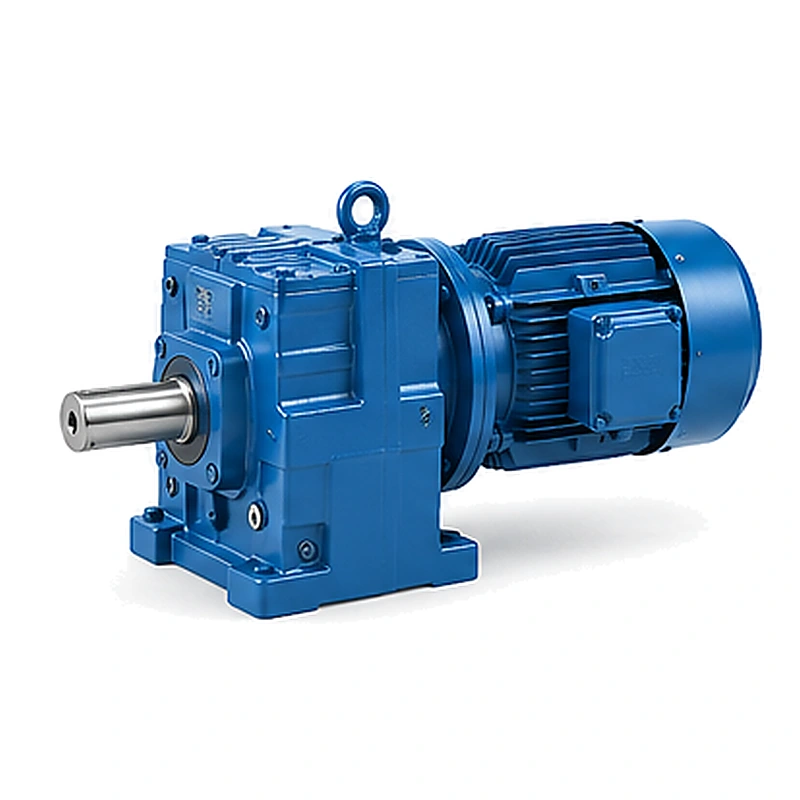
Use drum pull and radius under the specified lifting arrangement; calculate torque for operating and worst-case conditions; a gearbox cannot be selected by crane label capacity alone.
Assess moving and dynamic loads
Accelerating and stopping a lift introduces transient forces beyond static weight; rope stretch, load sway and duty class can alter gear loads.
Quoting only steady hoisting power can conceal demanding events; prepare lifting, lowering, acceleration and emergency case calculations.
Document duty cycles and load spectra for the full lifting equipment; verify continuous and peak capacity with the reducer maker; gear overload during stopping may exceed normal lifting demand.
Define holding-brake architecture
A brake must hold the load in relevant failure and normal states; a motor-shaft brake has reflected torque through the reducer.
Relying on gearbox friction alone cannot be a safe holding design; identify brake location, torque path and control interlocks.

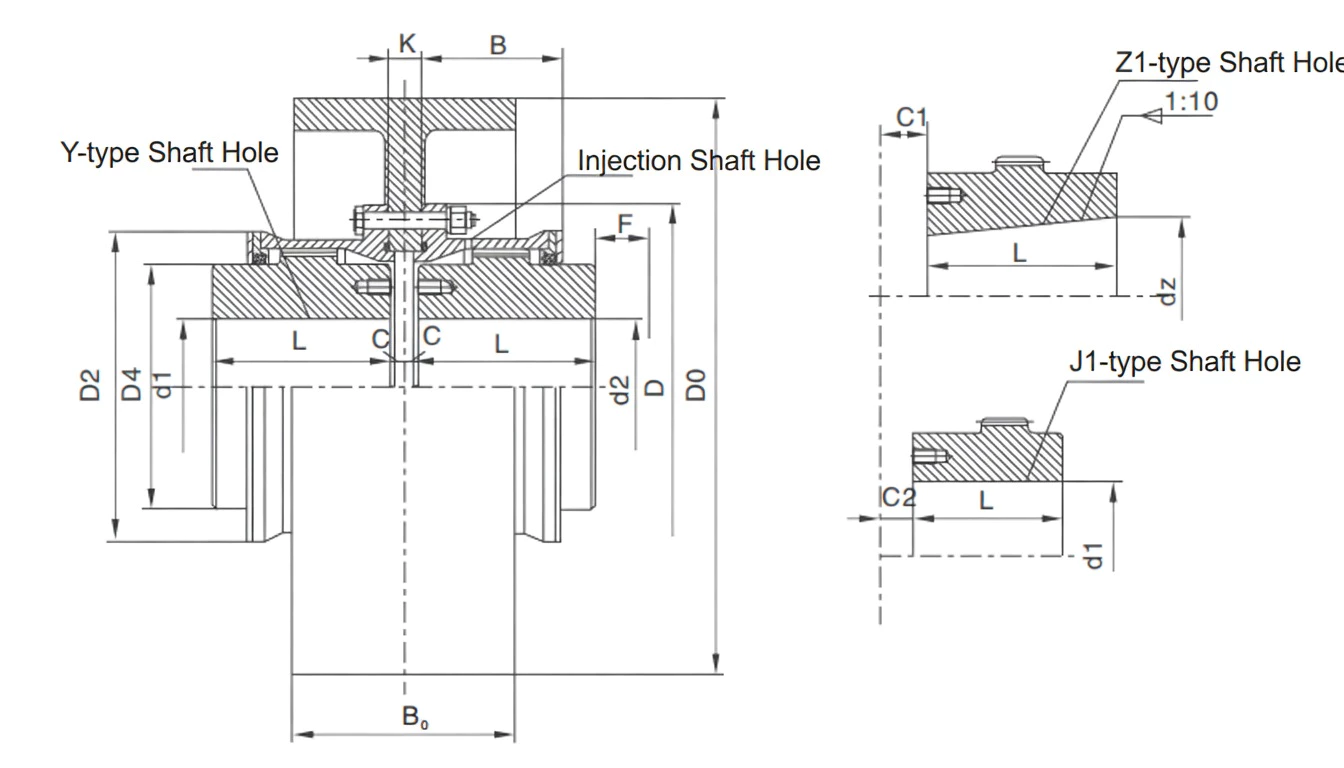
Calculate required holding torque with appropriate losses and safety factors; validate the holding function as part of a machine-level safety system; an ordinary gearmotor brake rating is not automatic hoist certification.
Check stopping energy and wear
Deceleration of moving loads dissipates mechanical energy; an emergency stopping event can heat brake components substantially.
Static torque may be adequate while repeated stopping energy is not; model load speed, inertia and credible stopping profiles.

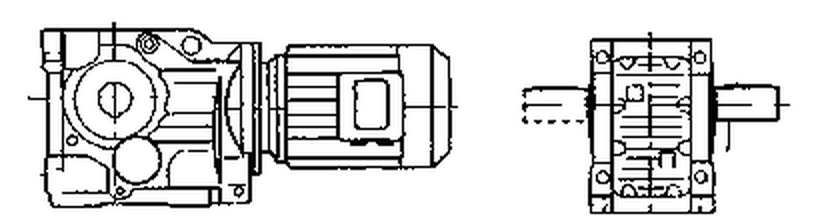
Obtain brake energy capacity and maintenance requirements from primary documents; approve stopping and thermal duty together; an overlooked dynamic event can defeat a mechanically strong brake.
Examine drum shaft forces
Rope tension can act sideways at a drum and load its bearings; a gearbox directly supporting a drum may carry bending not captured in its torque label.
Assuming reducer bearings support every drum layout is unsafe; draw rope forces, shaft locations and supporting bearings.
Request permissible radial and axial loads with defined lever arms; use separate drum supports if required by engineering; a passed torque check does not establish drum-bearing reliability.
A gearbox directly supporting a drum may carry bending not captured in its torque label. Assuming reducer bearings support every drum layout is unsafe. Examine the hoist drivetrain safety layout example. Request permissible radial and axial loads with defined lever arms. Use separate drum supports if required by engineering.
Address reversal and lowering control
Controlled lowering may drive torque in a different direction from lifting; a load can backdrive a geartrain unless the control system manages it.
Undocumented sign convention may hide a negative-torque condition; plot shaft torque and speed for lifting and lowering cases.

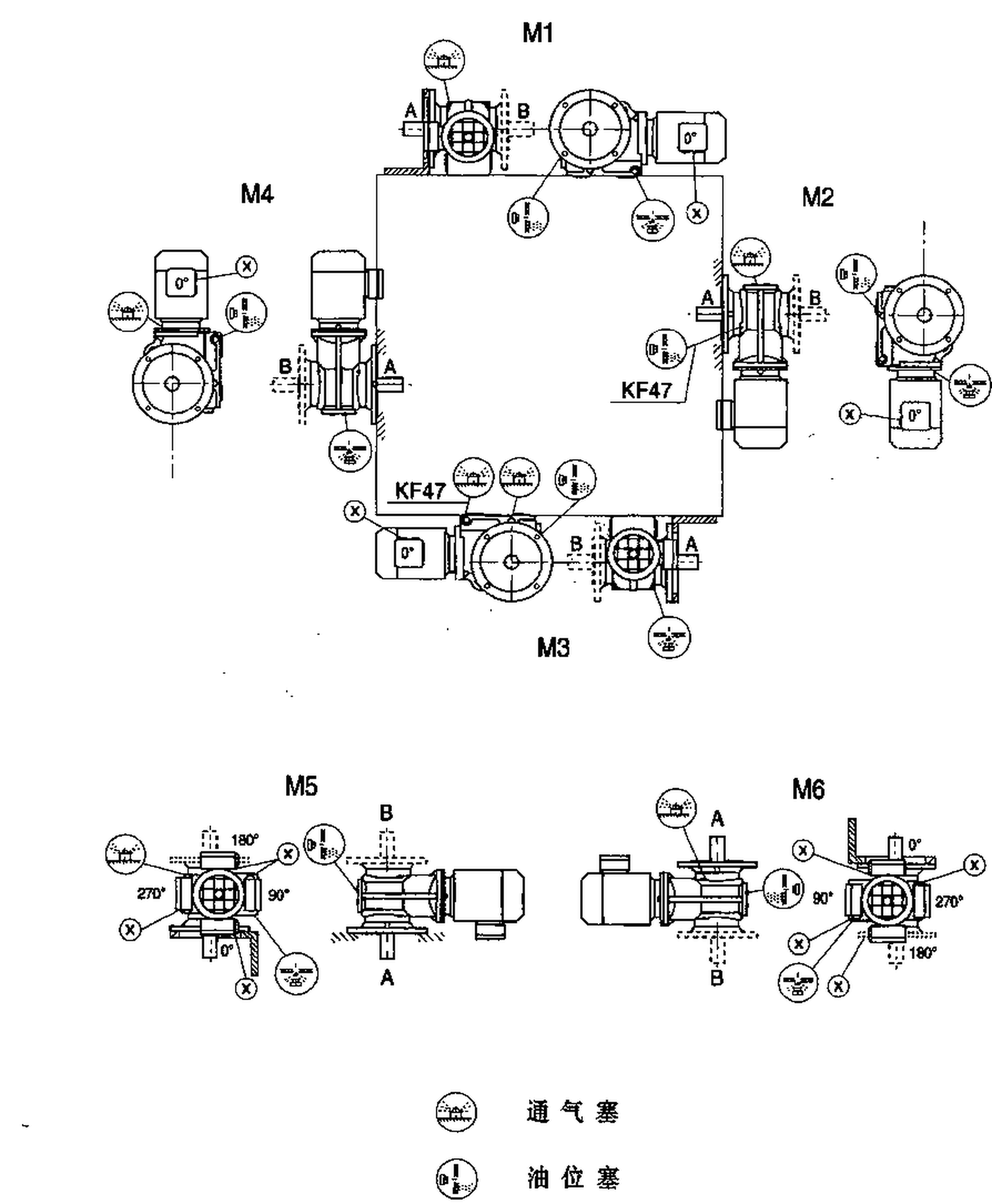
Check drive, brake and gearbox response during reversal; validate against the complete operating and emergency sequence; wrong-way motion is a machinery safety risk rather than a minor performance issue.
Identify applicable safety rules
Requirements vary with location, equipment class and lifting purpose; factory test documents may cover a component rather than the assembled crane.
Advertising a certificate without identifying its exact scope is misleading; list jurisdiction, crane classification and required conformity evidence.
Ask qualified assessor to check component and system documentation; release only under the applicable signed engineering process; sales copy must not imply unverified regulatory approval.
Plan inspection and replacement
Lifting equipment needs accessible inspection and controlled maintenance records; a gearbox fitted behind a drum may hide lubricant and brake access.
Routine inspection must not require unsafe practices; provide safe service and lifting points in the arrangement drawing.

Define maintenance checks and component condition limits; require safe inspection access and documented handover; an inaccessible component increases future safety and downtime risk.
Illustrative engineering scenario: A crane hoist or lifting winch requiring controlled raising and lowering
A project team is evaluating a replacement reduction unit for a crane hoist. The available request mentions a lifting capacity in tonnes and a motor power. It does not contain the effective rope drum diameter, reeving arrangement, hoisting speed or brake scheme. No safe component selection can be made from those two figures alone. The responsible lifting engineer calculates the rope pull and drum torque using the actual mechanical arrangement, then develops load cases for steady raising, acceleration, lowering and controlled or emergency stopping. A change in drum layer radius may also affect torque. These are not details that a generic gearbox series description can fill in.
The proposed gearbox may have a suitable nominal output torque for lifting, but the machine could also transmit significant force from the drum and rope to an outboard bearing location. The full drum shaft is therefore drawn with its bearings, coupling and output connection. External Fr and Fa conditions, if applicable, are verified against manufacturer limits with a defined lever arm and duty life. Brake torque is calculated at the physical location of the brake, which may be the motor shaft rather than the drum. Efficiency assumptions and reverse power flow must be handled consistently. A brake intended for a parked load must not be assumed capable of repeated high-energy stopping.
The machine-level safety review includes power loss, brake control timing, lowering behavior, speed control failures and inspection provisions. Equipment regulations and crane classification vary by installation and use. The team identifies the governing requirements with a qualified assessor and asks for authentic component or system documents only within their true scope. A website statement about an industrial helical gearbox is not a lifting certificate. If the alternative unit lacks verified braking or external-load data, the application stays in engineering review; the missing evidence cannot be replaced with a plausible guessed factor.
Only after drawings, ratings and safety functions have been reconciled is a controlled commissioning program defined. The crane test is planned by authorized personnel using applicable procedures. The delivered gearbox code, brake arrangement and protective controls must match the approved documents. This route is intentionally conservative because the consequence of uncontrolled movement is a safety issue, not merely a production delay. A low unit price or short lead time cannot override that requirement.
Maintenance instructions for the eventual lifting assembly must state inspection access, brake checks and replacement part identification. A future gearbox with the same nominal ratio is not automatically an approved substitute if the drum shaft, brake or motor interface is different. The responsible assessor should retain a configuration record and define how modifications are reviewed. Those controls protect operators when the equipment is serviced years after its initial design.
Five-stage review for a crane hoist or lifting winch requiring controlled raising and lowering
-
Convert load into drum torqueDetermine lifted load, reeving geometry and effective rope-layer radius. Calculate torque for operating and worst-case conditions.
-
Assess moving and dynamic loadsDocument duty cycles and load spectra for the full lifting equipment. Gear overload during stopping may exceed normal lifting demand.
-
Check stopping energy and wearModel load speed, inertia and credible stopping profiles. Approve stopping and thermal duty together.
-
Address reversal and lowering controlCheck drive, brake and gearbox response during reversal. Wrong-way motion is a machinery safety risk rather than a minor performance issue.
-
Plan inspection and replacementProvide safe service and lifting points in the arrangement drawing. Require safe inspection access and documented handover.
Engineering comparison matrix: helical gearbox for crane hoist braking
| Engineering question | Evidence to collect | Review decision |
|---|---|---|
| Convert load into drum torque | Use drum pull and radius under the specified lifting arrangement. | Calculate torque for operating and worst-case conditions. |
| Assess moving and dynamic loads | Document duty cycles and load spectra for the full lifting equipment. | Verify continuous and peak capacity with the reducer maker. |
| Define holding-brake architecture | Calculate required holding torque with appropriate losses and safety factors. | Validate the holding function as part of a machine-level safety system. |
| Check stopping energy and wear | Obtain brake energy capacity and maintenance requirements from primary documents. | Approve stopping and thermal duty together. |
| Examine drum shaft forces | Request permissible radial and axial loads with defined lever arms. | Use separate drum supports if required by engineering. |
| Address reversal and lowering control | Check drive, brake and gearbox response during reversal. | Validate against the complete operating and emergency sequence. |
Frequently Asked Questions
Can a crane hoist gearbox be selected from lifting tonnes alone?
Is a motor brake sufficient for holding a suspended load?
Why do drum bearings matter in a hoist gearbox review?
Who can approve an alternative reducer for lifting equipment?
What makes a final review credible for a crane hoist or lifting winch requiring controlled raising and lowering?
Factory test documents may cover a component rather than the assembled crane. When comparing actual mounting geometry, use the hoist drivetrain safety configuration options. Ask qualified assessor to check component and system documentation.
Provide safe service and lifting points in the arrangement drawing. For an engineering quotation that records the open conditions, contact the technical team about hoist drivetrain safety. Require safe inspection access and documented handover.
Engineering sources for Helical Gearboxes for Hoists — Braking and Engineering Review
For the helical gearboxes for hoists: braking and engineering review workflow, consult these reference documents alongside the actual model installation manual:
- Helical Gearboxes for Hoists: Braking and Engineering Review: SEW-EURODRIVE, Lifting applications (analysis).
- Helical Gearboxes for Hoists: Braking and Engineering Review: SEW-EURODRIVE, Basic calculation process (interface review).
- Helical Gearboxes for Hoists: Braking and Engineering Review: SEW-EURODRIVE, Application-specific service factor (acceptance checks).