

A gearbox near a food contact zone must be evaluated for installation hygiene, lubricant control and actual washdown exposure. Generic food processing language does not establish hygienic suitability. Refer to the food-processing washdown design guidance. Record cleaning access and expected product splash paths. Approve the exact cleaning regimen against technical documentation.
Define the equipment hygiene zone
Consider crevices and drainage
Plan temperature and condensation
Define the equipment hygiene zone
The gearmotor location relative to exposed food influences cleaning and contamination risks; a reducer inside a guarded dry service bay has different exposure from one beside an open filler.
Generic food processing language does not establish hygienic suitability; map direct, indirect and nonfood-contact zones with the hygiene team.


Record cleaning access and expected product splash paths; select protection based on the actual zone and risk assessment; a gearmotor positioned near food is not automatically food-contact certified.
Collect cleaning chemistry
Acidic, alkaline and oxidizing detergents may affect housing finishes and seals; daily spray at elevated temperature differs from occasional damp wiping.
Stating that a gearbox is washable without chemical conditions has limited value; list detergents, concentrations, water temperatures and dwell times.

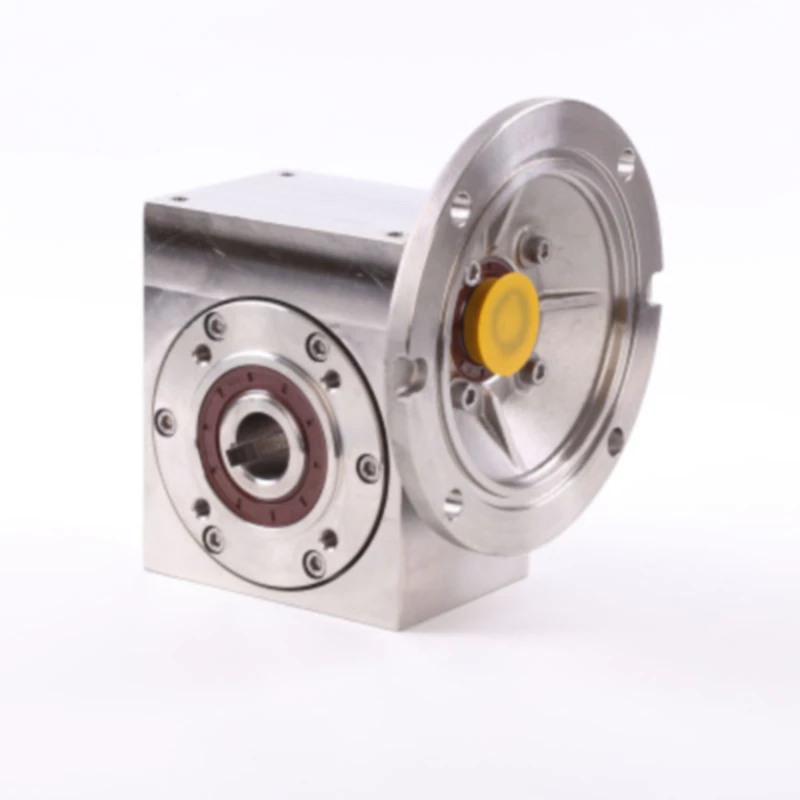
Ask for coating and seal material compatibility evidence; approve the exact cleaning regimen against technical documentation; a painted cast-iron housing may not suit every wet chemical environment.
Assess water pressure and angle
A shaft seal or breather can face directed jets that a static ingress test does not represent; cleaning nozzles may target the gearbox from the side or below.
Assuming an unspecified IP grade covers every jet method is unsafe; show nozzle distance, pressure and jet orientation on a sketch.

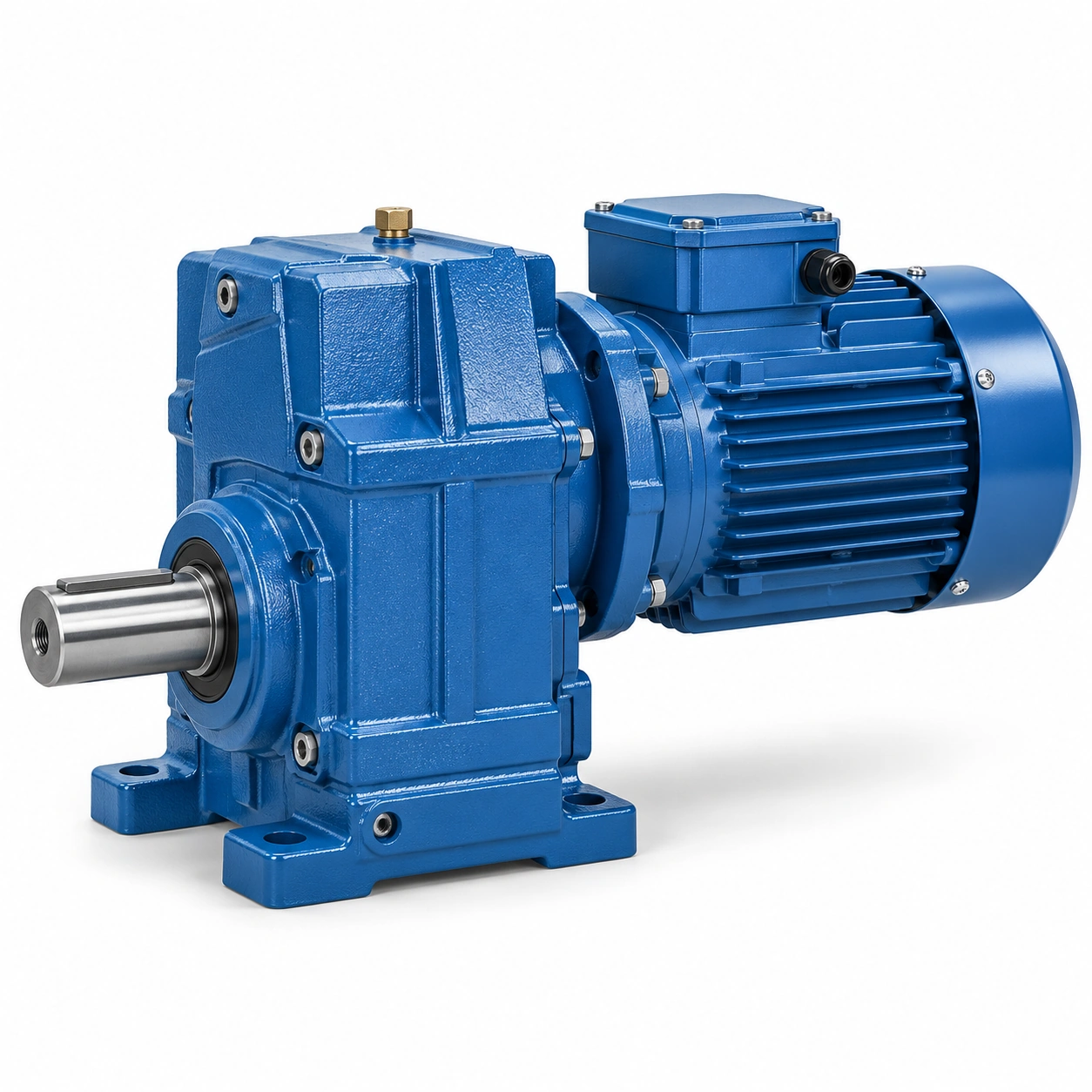
Request tested protection for the delivered motor-gearbox assembly; use guarded placement and documented protection together; ingress into an output seal can contaminate lubricant even if the motor remains dry.
Consider crevices and drainage
Bolts, hollow shaft joints and underside ledges can trap wash water or product residue; a perfectly functional reducer may create an inaccessible soil-retention point.
Cleanability depends on the machine arrangement as well as component design; review fastener recesses, drip paths and access for inspection.

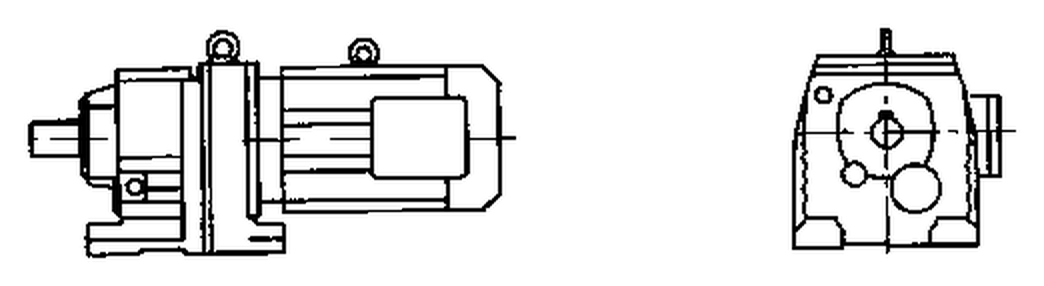
Provide assembly photos and cleaning validation requirements to supplier; choose a layout with inspectable and drainable surfaces; an appealing smooth casing picture does not prove a hygienic installed assembly.
Confirm lubricant control requirements
Sites may control lubricants because incidental food contact is possible; a food-related lubricant requirement applies to a specified lubricant and use case.
A general statement about safe oil cannot substitute for an actual certificate; define possible exposure pathway and plant lubricant policy.
Request exact oil identity and applicable third-party verification where required; document the approved lubricant and service method; using the wrong oil product may create a compliance issue even if the reducer works.
A food-related lubricant requirement applies to a specified lubricant and use case. A general statement about safe oil cannot substitute for an actual certificate. Examine the food-processing washdown design layout example. Request exact oil identity and applicable third-party verification where required. Document the approved lubricant and service method.
Evaluate corrosion and materials
Stainless steel, coated iron and aluminum alloys resist different chemicals; color or marketing name cannot determine the specific alloy or finish thickness.
Unsupported corrosion-resistance claims can lead to early damage; obtain housing material, coating and seal material specifications.

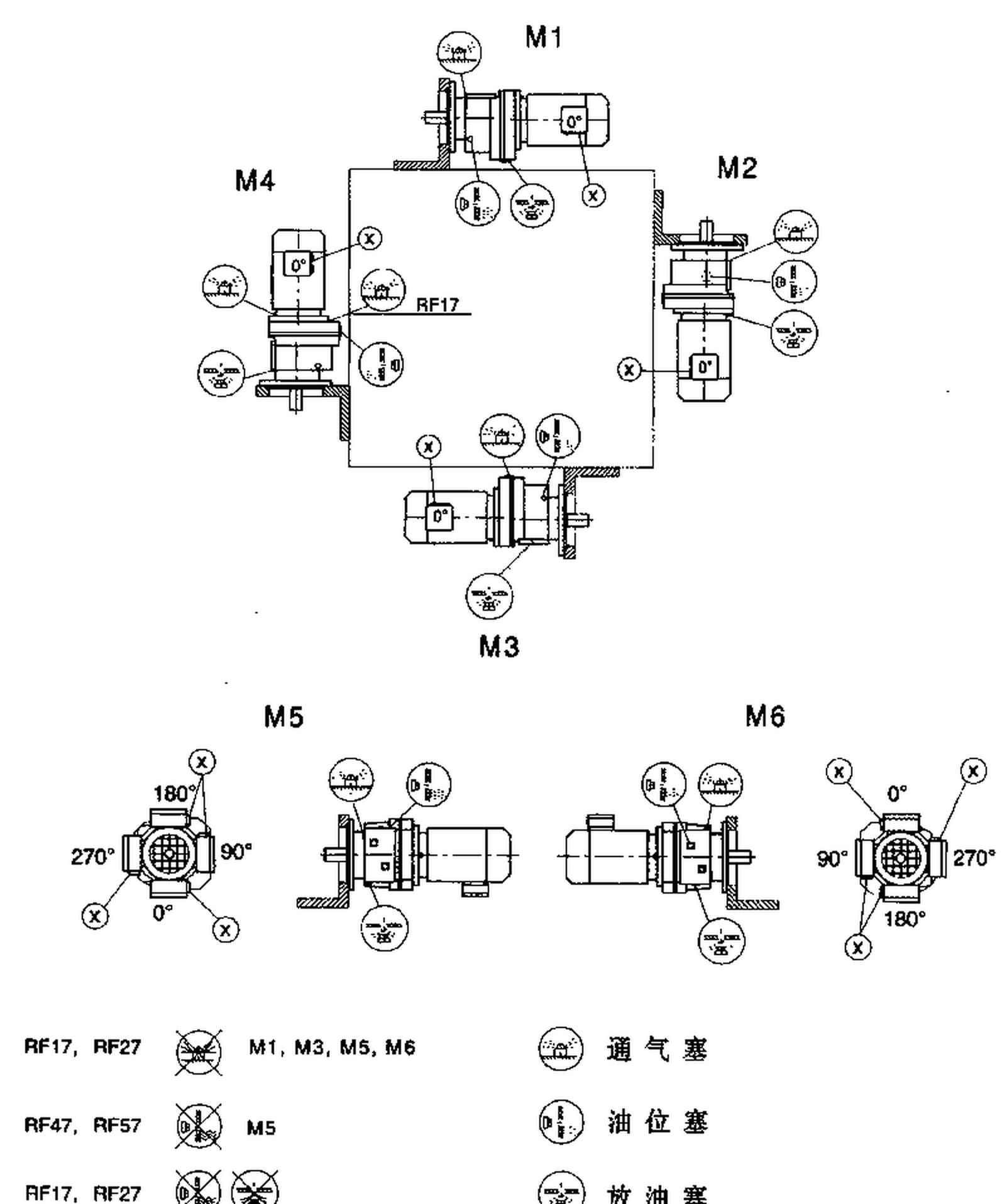
Compare actual cleaning conditions with documented material compatibility; approve an identifiable construction, not a generic appearance; a failed coating can create cleaning and long-term service problems.
Plan temperature and condensation
Hot washdown after cold production can cause pressure and temperature changes; moisture can condense inside poorly vented housings during repeated shifts.
A static dry protection test may miss repeated thermal cycling; describe cleaning and working temperature cycles.
Check venting, sealing and corrosion protection together; validate the assembly through expected thermal exposure; ignoring condensation mechanisms can degrade oil without obvious external leaks.
Document verification ownership
Hygienic machinery requires coordination among mechanical, maintenance and food-safety staff; a component certificate does not automatically certify the installation.
Unqualified statements about ATEX or food standards are inappropriate; list the specific applicable requirements and responsible approver.
Request test evidence for seals, lubricant and material claims; release only the actual documented scope of compliance; marketing language must not be broader than the validated product evidence.
Illustrative engineering scenario: Food production machinery exposed to cleaning chemicals and moisture
An OEM is designing a helical-bevel drive beside a food packing conveyor. The washdown procedure uses directed water jets followed by chemical foam. The mechanical layout initially places a standard painted housing below an open product transfer point. The team must not describe that housing as hygienic merely because it contains a clean-looking gearmotor. First, the food-safety and machine-design specialists map which surfaces can contact product, which parts receive splash and which areas will be cleaned directly. The correct question is whether the delivered assembly can be cleaned safely in its actual location, rather than whether a catalog labels a component suitable for food machinery.
The cleaning engineer specifies detergent identity, concentration, typical water temperature, spray pressure and direction. These details are sent to the supplier because coating performance, seal material compatibility and the output shaft exposure cannot be inferred from color. An IP claim also has a specific test meaning and must not be inflated into universal resistance to every chemical or every installed jet angle. If the machine requires a particular stainless grade, coating or sealing arrangement, that requirement must appear in the offer and be supported by product evidence. An ordinary cast-iron housing is not silently converted into a sanitary product by putting it behind a stainless machine cover.
The maintenance team traces possible runoff. Recessed mounting bolts, underside ledges and a direct shaft opening may trap residue or water. The designers adjust the position for drainage and make cleaning inspection possible without unsafe guard removal. Lubricant control is checked separately: the actual oil product must satisfy the site policy for the anticipated exposure, and any certificate claim needs the right scope. The equipment team does not assume that all food-related lubricants have the same approval or that a gearbox certification includes the entire machine.
The OEM completes a design review with drawings of water direction, cleaning access, temperature cycling and service points. If a supplier cannot substantiate a proposed special coating, seal or lubricant, that item remains a requested technical confirmation. The resulting procurement package can still identify alternative constructions, but it cannot present an undocumented variant as proven hygienic. The final verdict belongs to the team responsible for the complete food-production machine, not a generic gearbox marketing paragraph.
The final review also considers who has responsibility for maintaining the cleaning process. If production later increases spray pressure or changes detergent chemistry, the material and seal compatibility assumptions may no longer hold. The machine manual should identify these conditions so that changes trigger a new hygiene review. A carefully documented cleaning boundary is more useful than a broad statement that an entire family of drives is suitable for every food-processing environment.
Five-stage review for food production machinery exposed to cleaning chemicals and moisture
-
Define the equipment hygiene zoneMap direct, indirect and nonfood-contact zones with the hygiene team. Select protection based on the actual zone and risk assessment.
-
Collect cleaning chemistryAsk for coating and seal material compatibility evidence. A painted cast-iron housing may not suit every wet chemical environment.
-
Consider crevices and drainageReview fastener recesses, drip paths and access for inspection. Choose a layout with inspectable and drainable surfaces.
-
Evaluate corrosion and materialsCompare actual cleaning conditions with documented material compatibility. A failed coating can create cleaning and long-term service problems.
-
Document verification ownershipList the specific applicable requirements and responsible approver. Release only the actual documented scope of compliance.
Engineering comparison matrix: helical gearbox food processing washdown
| Engineering question | Evidence to collect | Review decision |
|---|---|---|
| Define the equipment hygiene zone | Record cleaning access and expected product splash paths. | Select protection based on the actual zone and risk assessment. |
| Collect cleaning chemistry | Ask for coating and seal material compatibility evidence. | Approve the exact cleaning regimen against technical documentation. |
| Assess water pressure and angle | Request tested protection for the delivered motor-gearbox assembly. | Use guarded placement and documented protection together. |
| Consider crevices and drainage | Provide assembly photos and cleaning validation requirements to supplier. | Choose a layout with inspectable and drainable surfaces. |
| Confirm lubricant control requirements | Request exact oil identity and applicable third-party verification where required. | Document the approved lubricant and service method. |
| Evaluate corrosion and materials | Compare actual cleaning conditions with documented material compatibility. | Approve an identifiable construction, not a generic appearance. |
Frequently Asked Questions
Does an IP rating establish hygienic food-equipment suitability?
What cleaning information should be sent to a gearbox supplier?
Can a food-related lubricant claim be assumed from the gearbox label?
What should the hygienic installation drawing include?
What makes a final review credible for food production machinery exposed to cleaning chemicals and moisture?
Moisture can condense inside poorly vented housings during repeated shifts. When comparing actual mounting geometry, use the food-processing washdown design configuration options. Check venting, sealing and corrosion protection together.
List the specific applicable requirements and responsible approver. For an engineering quotation that records the open conditions, contact the technical team about food-processing washdown design. Release only the actual documented scope of compliance.
Engineering sources for Helical Gearboxes for Food Processing — Washdown Design Questions
For the helical gearboxes for food processing: washdown design questions workflow, consult these reference documents alongside the actual model installation manual:
- Helical Gearboxes for Food Processing: Washdown Design Questions: EHEDG, Hygienic design of equipment for open processing (analysis).
- Helical Gearboxes for Food Processing: Washdown Design Questions: SEW-EURODRIVE, Lubricant tables (interface review).
- Helical Gearboxes for Food Processing: Washdown Design Questions: SEW-EURODRIVE, Change of mounting position (acceptance checks).