
Inverted tooth silent chains are one of the most popular types of chains used in modern machinery. They are used in a wide range of applications, from automotive engines to industrial machinery. However, to ensure the optimal performance of the chain, it is essential to adjust the tension properly. In this article, we will discuss how to adjust tension in inverted tooth silent chains for optimal performance.
The Basics of Inverted Tooth Silent Chains
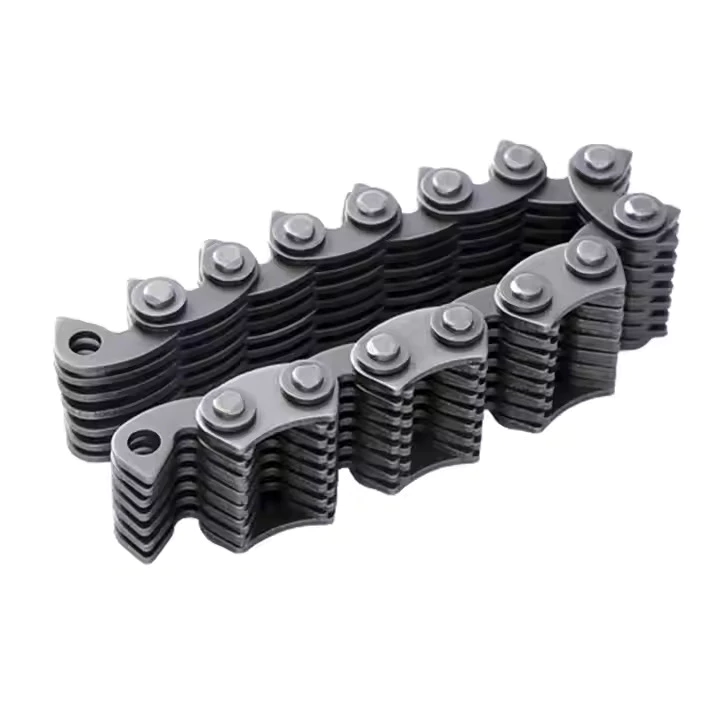
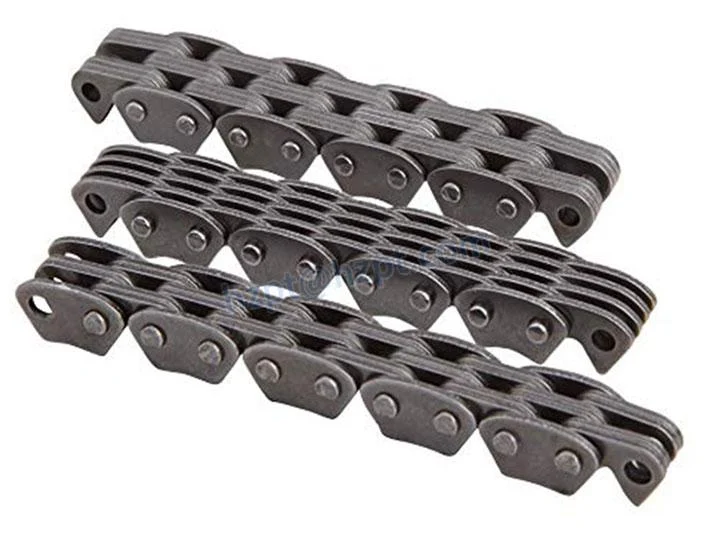
Before we dive into how to adjust tension in inverted tooth silent chains, let's briefly discuss the basics of these chains. Inverted tooth silent chains consist of a series of toothed links, which mesh with sprockets to transmit power and motion. The teeth of these chains are shaped like an inverted “L,” which helps to reduce noise and vibration during operation. Additionally, these chains are designed to operate without the need for lubrication, making them ideal for use in clean environments or in applications where lubrication is difficult or impossible.
Why Proper Tension is Important
Proper chain tension is essential for the optimal performance of inverted tooth silent chains. If the tension is too loose, the chain can skip teeth or “whip” during operation, causing excessive noise, vibration, and wear. On the other hand, if the tension is too tight, the chain can bind or “stretch,” leading to premature wear and failure. Therefore, it is essential to adjust the tension properly to ensure the optimal performance and longevity of the chain.
How to Adjust Tension
Adjusting tension in inverted tooth silent chains is a relatively straightforward process. Here are the basic steps:
Step 1: Measure the Tension
The first step is to measure the tension in the chain. There are a few ways to do this, but one common method is to use a tension checker tool. This tool measures the amount of force required to move the chain a specific distance. The manufacturer's specifications will indicate the correct tension for the chain, usually measured in pounds or newtons.
Step 2: Adjust the Tension
Once you have measured the tension, you can adjust it as necessary. This is typically done by adjusting the position of the sprocket or idler. Loosening the bolts that hold the sprocket in place and moving it slightly can increase or decrease tension. Be sure to adjust the tension equally on both sides of the chain to maintain alignment and prevent excessive wear.
Step 3: Recheck the Tension
After adjusting the tension, recheck the tension to ensure that it is within the manufacturer's specifications. Repeat the adjustment process as necessary until the tension is correct. Once the tension is properly adjusted, be sure to tighten the bolts securely to prevent any movement.
Conclusion
Adjusting tension in inverted tooth silent chains is a critical step in ensuring the optimal performance and longevity of the chain. By following the steps outlined above, you can make sure that your chain is operating smoothly and quietly. Remember to recheck the tension periodically, as chains can stretch over time and require readjustment.
Sprockets for Silent Chains
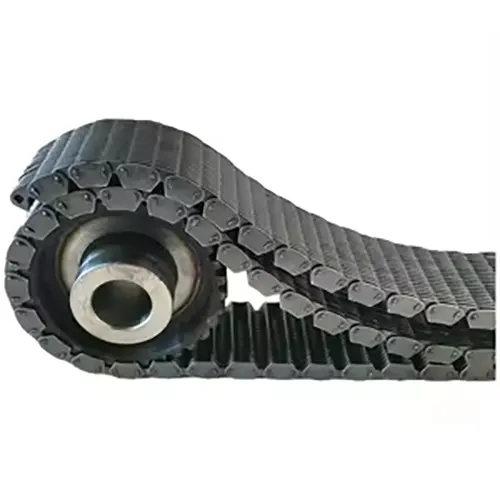
Sprockets are an essential component of any silent chain system, including inverted tooth chains. They work together with the chain to transmit power and motion between shafts. Proper alignment and tension between the sprocket and chain are essential for optimal performance. At RP Techniek BV, we offer a wide range of silent chain sprockets to meet your needs. Our sprockets are designed to work seamlessly with our inverted tooth chains and are made from high-quality materials for long-lasting performance.
About Us
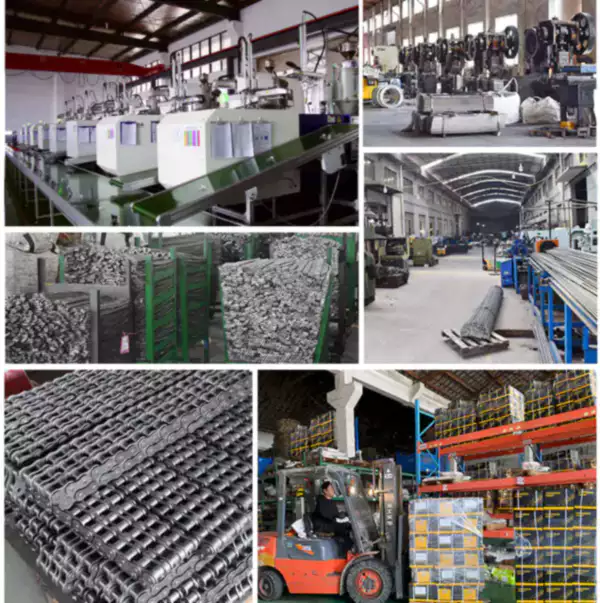
RP Techniek BV is the Dutch sales agent for the Ever-power Group. We are a leading supplier of silent chains and sprockets, serving customers in the United States, Canada, Japan, South Korea, Brazil, and Australia. Our mission is to provide high-quality products at competitive prices, with a focus on customer satisfaction. We offer a wide range of chains and sprockets to meet your needs, and our experienced team is always available to provide expert advice and support.
Q&A
Q: What is the maximum allowable tension for an inverted tooth silent chain?
A: The maximum allowable tension for an inverted tooth silent chain will depend on the size and type of chain being used. Consult the manufacturer's specifications for the correct tension range.
Q: How often should chain tension be checked?
A: Chain tension should be checked periodically, as chains can stretch over time and require readjustment. The frequency of checks will depend on the application and operating conditions.
Q: Can inverted tooth silent chains be used in high-temperature environments?
A: Yes, inverted tooth silent chains are designed to operate in a wide range of temperatures, including high-temperature environments. However, it is essential to ensure that the chain is properly lubricated and that the sprockets are made from materials that can withstand high temperatures.
Q: What is the benefit of using inverted tooth silent chains over other types of chains?
A: Inverted tooth silent chains offer several benefits over other types of chains, including lower noise and vibration, longer life, and reduced maintenance requirements. Additionally, these chains are designed to operate without the need for lubrication, making them ideal for use in clean environments or in applications where lubrication is difficult or impossible.
Q: Can inverted tooth silent chains be used in high-speed applications?
A: Yes, inverted tooth silent chains can be used in high-speed applications. However, it is essential to ensure that the chain is properly tensioned and that the sprockets are properly aligned to prevent excessive wear and vibration.
Edited by: Zqq.