
Timing chains and timing belts are crucial components of an engine's valve train system, responsible for synchronizing the rotation of the crankshaft and camshaft. In recent years, inverted tooth timing chains have gained popularity as an alternative to traditional timing belts. In this article, we'll explore the differences between these two types of systems and weigh the benefits and drawbacks of each.
What Are Timing Belts?
Timing belts are made of rubber and fiber and are toothed on the inside. They are designed to operate quietly and efficiently, but they can stretch over time, which can lead to a loss of synchronization between the crankshaft and camshaft. Timing belts must be replaced periodically to prevent this problem from occurring.
One of the main advantages of timing belts is that they are quiet and lightweight, which makes them ideal for use in small engines. However, they are less durable than timing chains and can be more expensive to replace.
What Are Inverted Tooth Timing Chains?
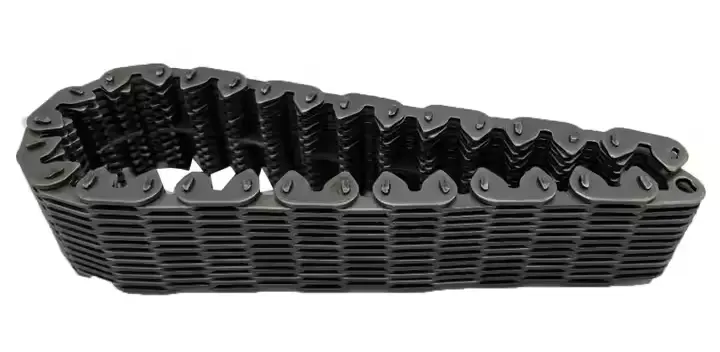
Inverted tooth timing chains are made of metal and have teeth on the outside. They are more durable than timing belts and can last the lifetime of the engine. They are also more efficient and can handle higher loads than timing belts.
One disadvantage of inverted tooth timing chains is that they can be noisy, which can be a problem in some applications. They are also heavier than timing belts, which can affect fuel economy in some vehicles.
Benefits of Inverted Tooth Timing Chains
Inverted tooth timing chains offer several advantages over timing belts:
- Longer lifespan
- Higher efficiency
- Higher load capacity
- More durable
These benefits make inverted tooth timing chains an attractive choice for high-performance engines and heavy-duty applications.
Drawbacks of Inverted Tooth Timing Chains
Despite their advantages, inverted tooth timing chains have some drawbacks:
- Noisier operation
- Heavier weight
- Higher cost
- Less suitable for small engines
These factors may make timing belts a better choice for some applications.
Applications of Timing Chains and Timing Belts
Timing chains are commonly used in heavy-duty engines, such as those found in trucks and construction equipment. They are also used in high-performance engines, such as those found in sports cars and racing vehicles.
Timing belts are more commonly used in small engines, such as those found in cars and motorcycles. They are also used in some larger engines, such as those found in some aircraft and boats.
Sprockets for Silent Chains
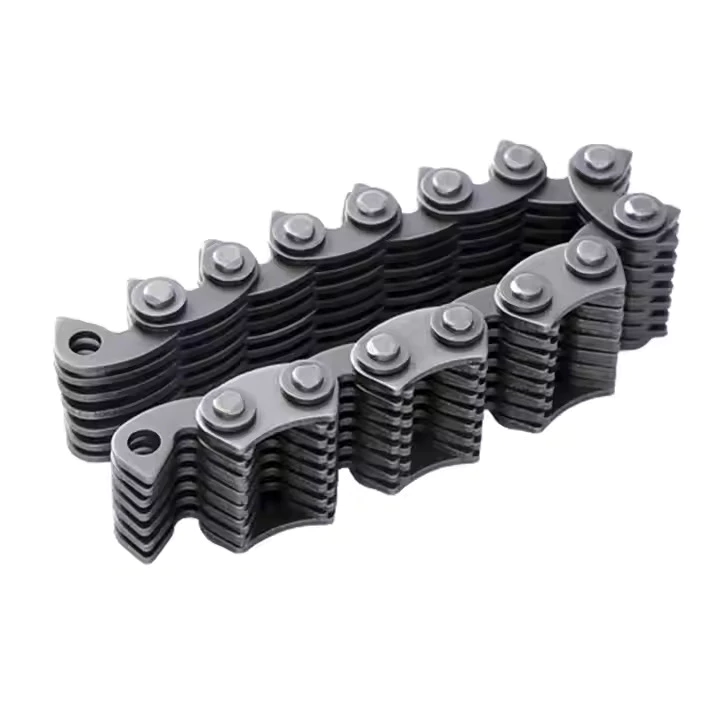
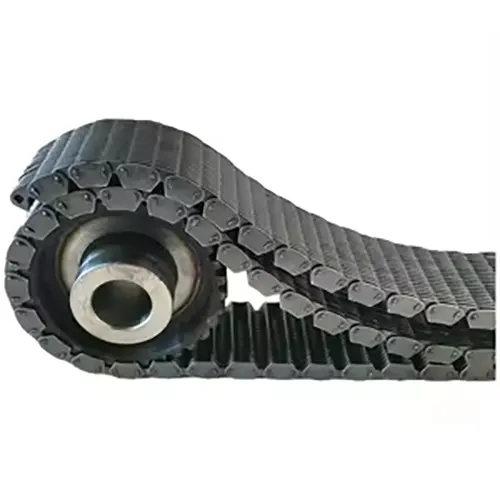
Sprockets are an essential component of timing chain systems. They are used to transfer torque from the engine's crankshaft to the camshaft. Inverted tooth chains require special sprockets, which are designed to reduce noise and improve efficiency. Silent chain sprockets are designed to work specifically with silent chain systems and are an important part of the overall system. Inverted tooth chains and silent chain sprockets work together to provide reliable and efficient performance.
About Us
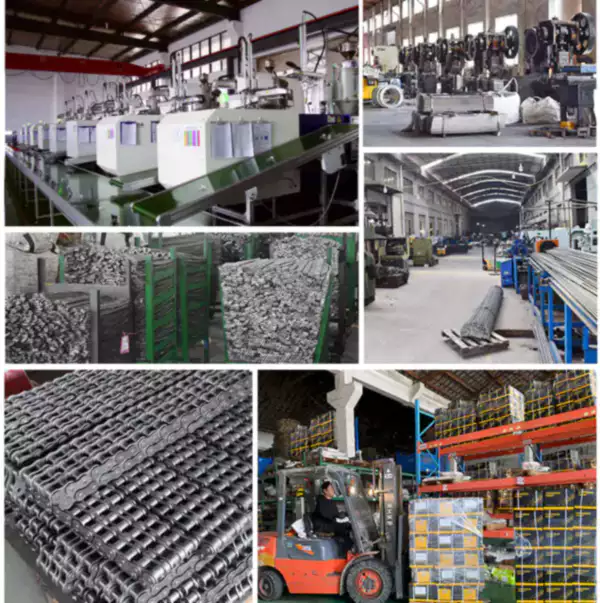
RP Techniek BV is the Netherlands sales representative of the Ever-power Group. We are a leading supplier of silent chains and related components. Our products are exported to markets all over the world, including the United States, Canada, Japan, Korea, Brazil, and Australia. We are committed to providing competitive pricing and high-quality service to our customers.
Q&A
Q1. How often should I replace the timing belt or chain on my engine?
A1. The replacement interval for timing belts and chains varies depending on the make and model of the engine. It is important to consult your owner's manual for the recommended replacement interval.
Q2. How can I tell if my timing belt or chain is worn or damaged?
A2. Signs of wear or damage on a timing belt or chain include noise, vibration, and loss of power. If you notice any of these symptoms, you should have your engine inspected by a qualified technician.
Q3. Can I replace a timing belt with a timing chain?
A3. It is possible to replace a timing belt with a timing chain, but it may require significant modifications to the engine and may not be cost-effective.
Q4. How much does it cost to replace a timing belt or chain?
A4. The cost of replacing a timing belt or chain varies depending on the make and model of the engine and the location of the repair shop. In general, the cost can range from a few hundred dollars to over a thousand dollars.
Q5. What are some common causes of timing belt or chain failure?
A5. Timing belt or chain failure can be caused by a variety of factors, including age, wear, and improper installation. It is important to follow the manufacturer's recommended maintenance schedule and have the system inspected regularly by a qualified technician.
Edited by: Zqq.