
EVER POWER · Hydraulic Pumps
Log Splitter
Hydraulic Pumps
Two-stage gear pumps for log splitter circuits — fast travel plus high-force splitting in a single compact unit.
Application & hydraulic duty
In a typical two-stage log splitter circuit, the larger displacement section moves the splitting cylinder at high speed and low pressure. When the log resists, the circuit shifts to the smaller displacement section, building force at higher pressure. Both sections must match the machine's unloading valve and relief settings.
Two-stage flow
Displacement figures describe two pump sections. The machine's unloading arrangement determines how and when flow transitions between them.
Pressure pair
Where two pressures are listed, read them as stage-specific limits — not a single universal operating pressure for the whole circuit.
Port matching
Thread form, actual bore diameter and suction supply all need to match the original mounting layout. Inlet 2 × G 3/8; outlet 2 × NPT 1/2.
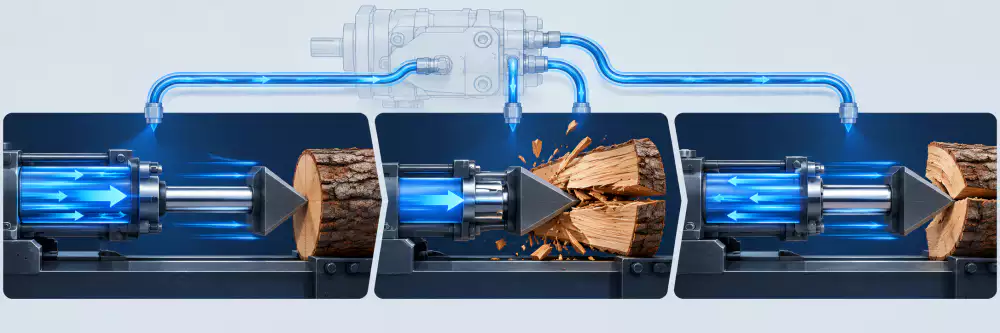
How a two-stage splitting circuit works
A two-stage hydraulic pump covers all three phases of the splitting cycle with a single drive shaft and one compact housing — no auxiliary pump required.
Fast travel
Both sections combine at low pressure to push the cylinder toward the log at high speed, minimising cycle time between splits.
Build force
When resistance rises, the circuit unloads the high-volume section and the smaller section alone drives pressure up to split the log.
Return stroke
High-volume flow is restored for fast retract. Correct reservoir supply and valve-centre condition support consistent repeatable cycles.
Available models & technical comparison
All ten models are clockwise rotation at 3 600 rpm. The displacement pair and pressure rating determine which log splitter frame sizes and engine power ratings each model suits.
| Model | Displacement | Pressure | Speed | Rotation |
|---|---|---|---|---|
| GHP-F3.5/F3.5R | 3.5 / 3.5 ml/rev | 250 bar | 3 600 rpm | CW |
| CBDN-22/4JL | 22 / 4 ml/rev | 5 / 28 MPa | 3 600 rpm | CW |
| CBNA-6.3/2.1 | 6.3 / 2.1 ml/rev | 2.5 / 20 MPa | 3 600 rpm | CW |
| 2CB-E8.8/2.1 | 8.8 / 2.1 ml/rev | 2.5 / 20 MPa | 3 600 rpm | CW |
| CBNA-13/3.0 | 13 / 3.0 ml/rev | 2.5 / 20 MPa | 3 600 rpm | CW |
| CBNA-15/3.0 | 15 / 3.0 ml/rev | 2.5 / 21 MPa | 3 600 rpm | CW |
| CBNA-8.8/3.6 | 8.8 / 3.6 ml/rev | 2.5 / 20 MPa | 3 600 rpm | CW |
| 2CB-E13/1.8 | 13 / 1.8 ml/rev | 2.5 / 20 MPa | 3 600 rpm | CW |
| 2CB-4.2/1.0 | 4.2 / 1.0 ml/rev | 2.5 / 20 MPa | 3 600 rpm | CW |
| 2CB-E8.8/1.8 | 8.8 / 1.8 ml/rev | 2.5 / 20 MPa | 3 600 rpm | CW |
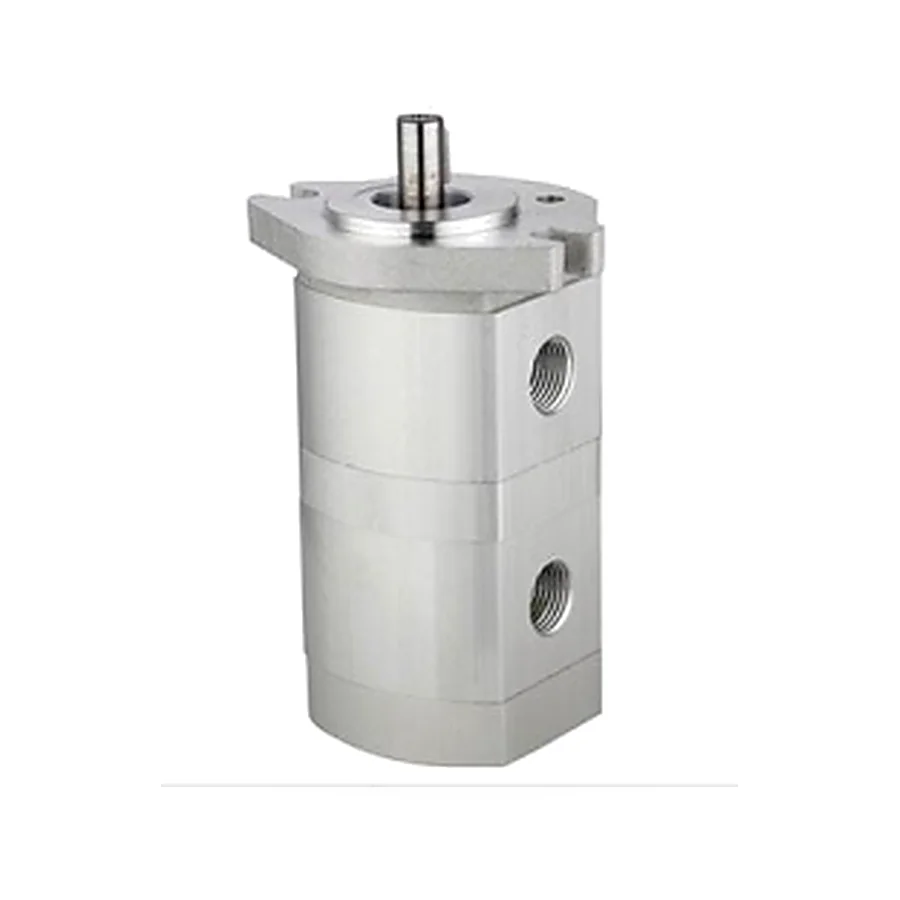
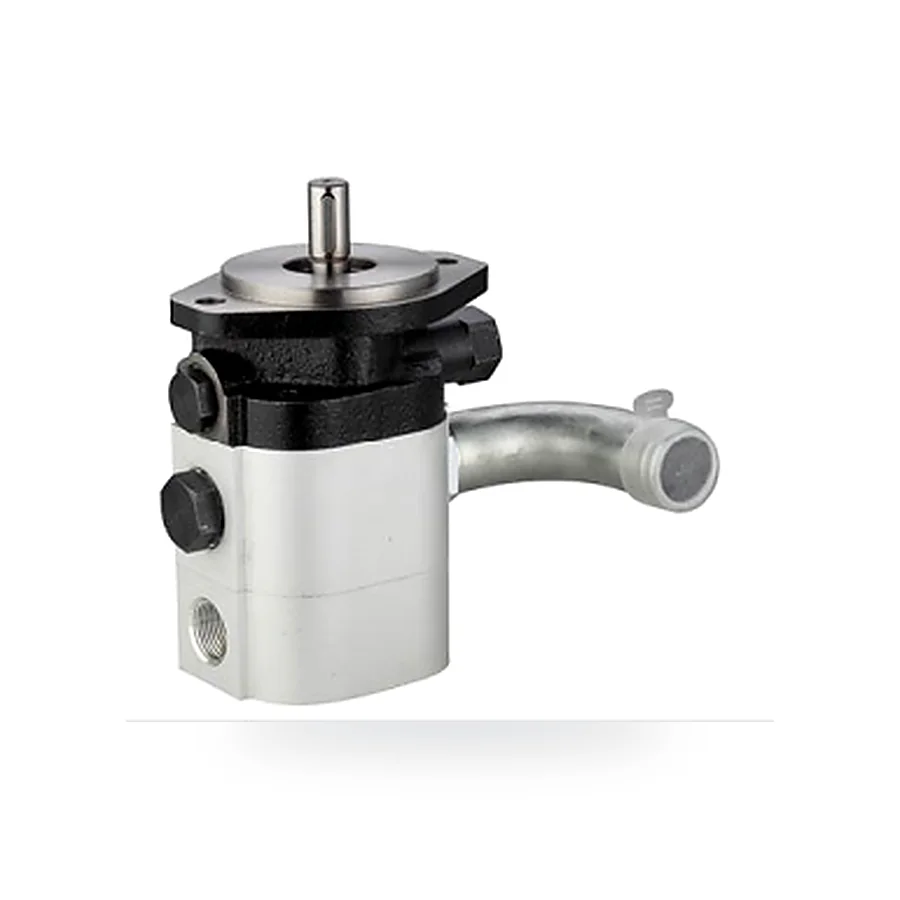
Product gallery
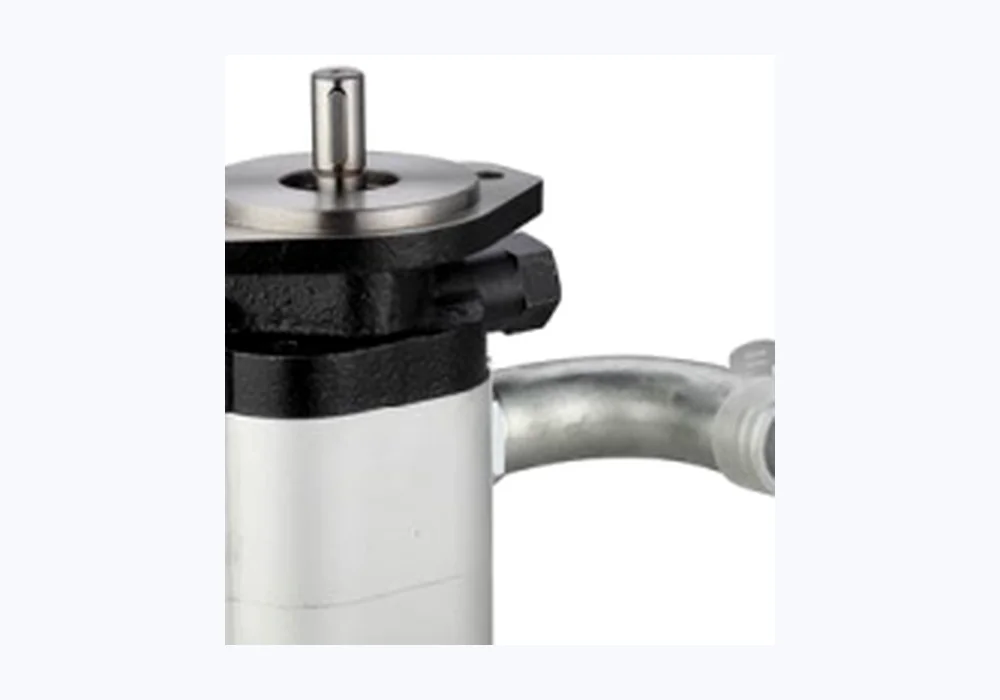
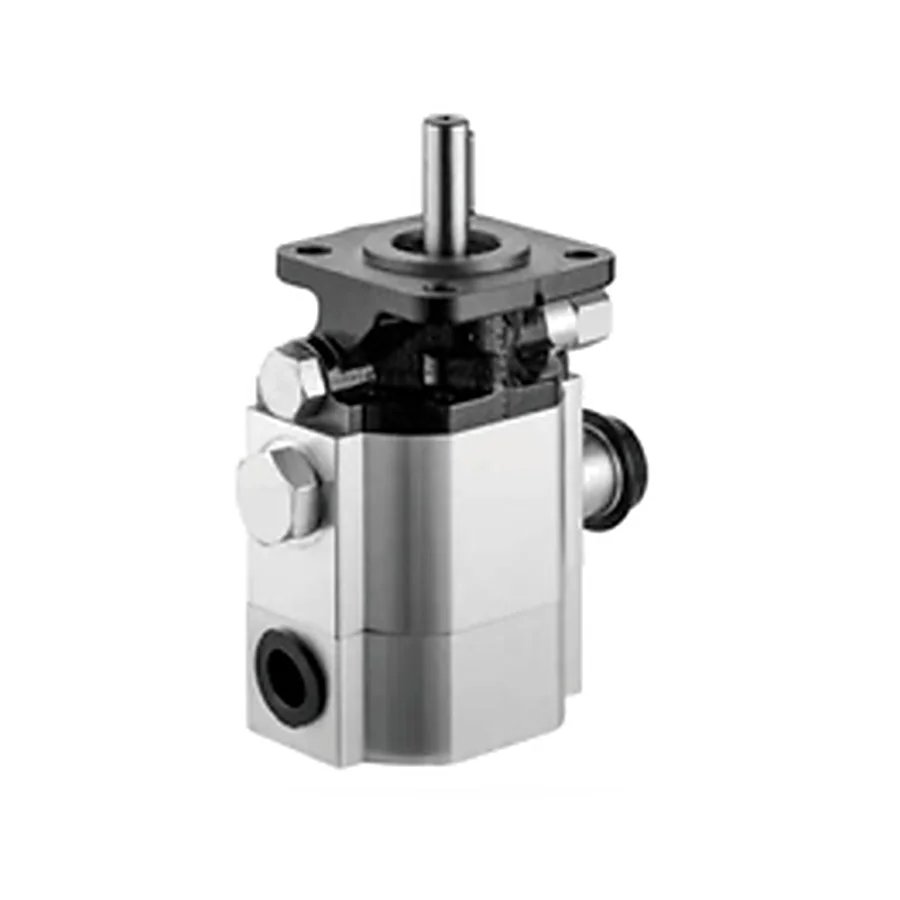
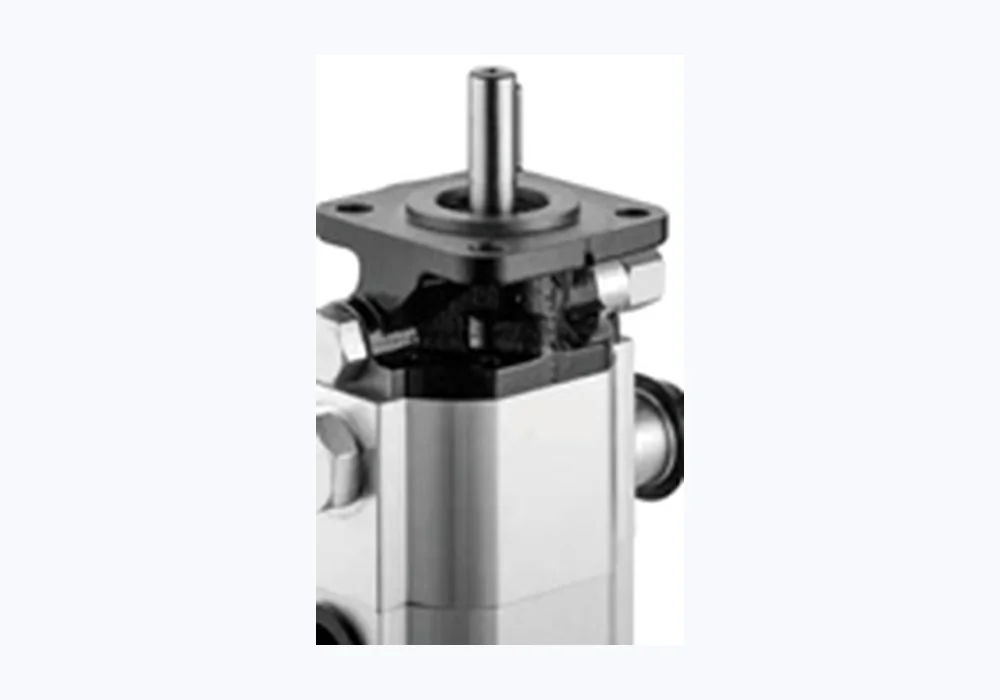
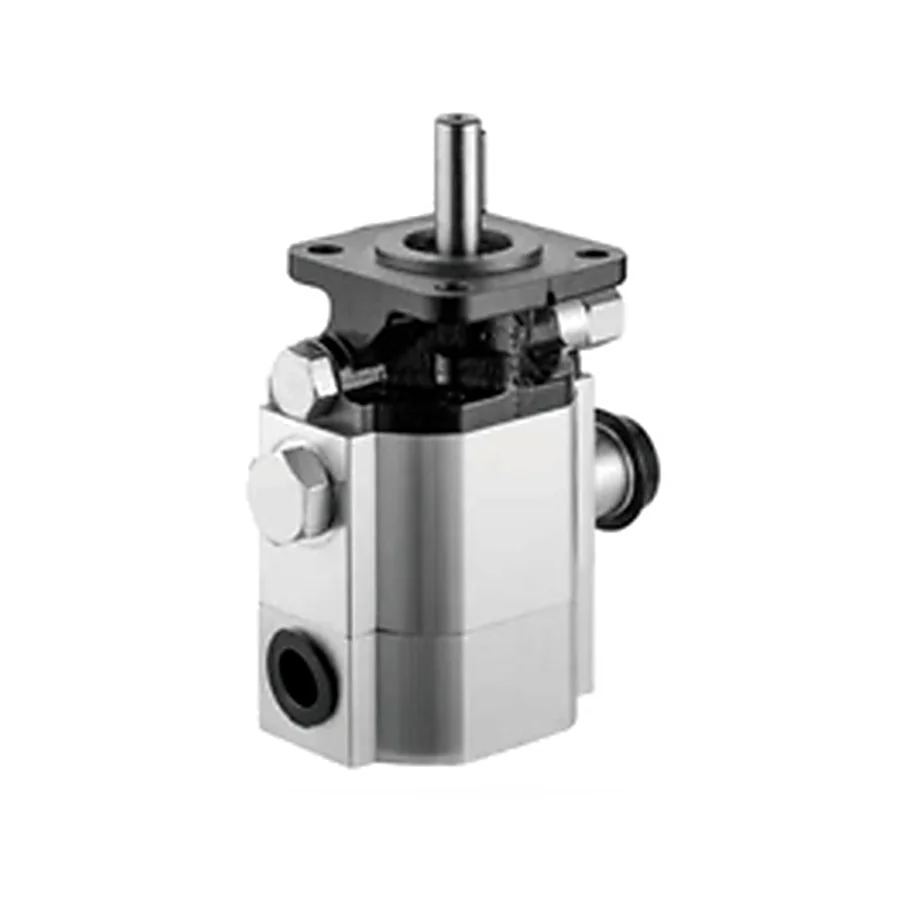
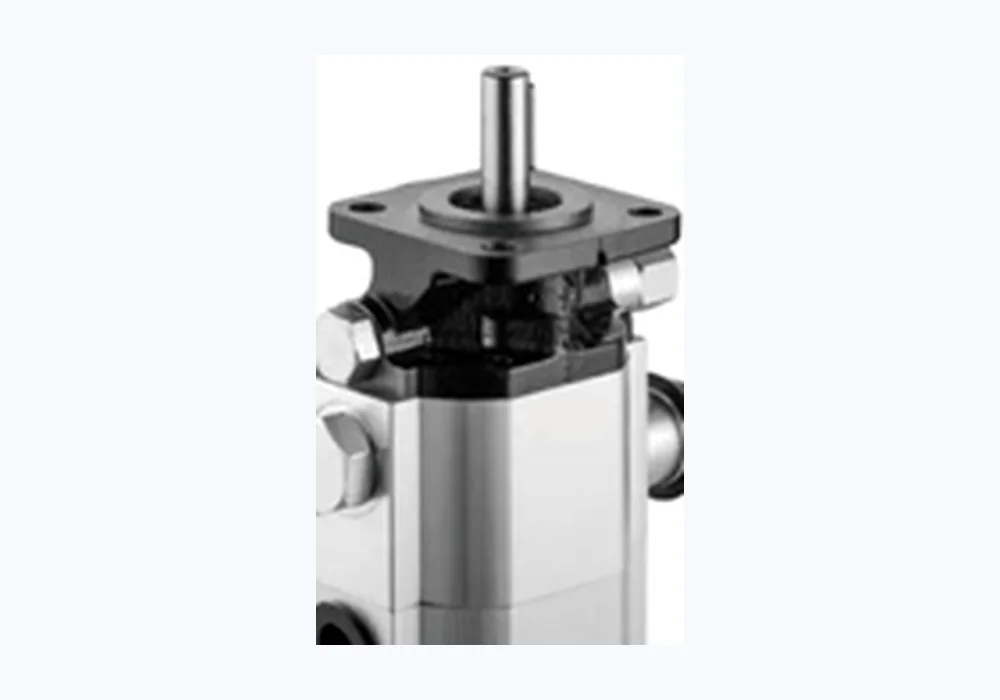
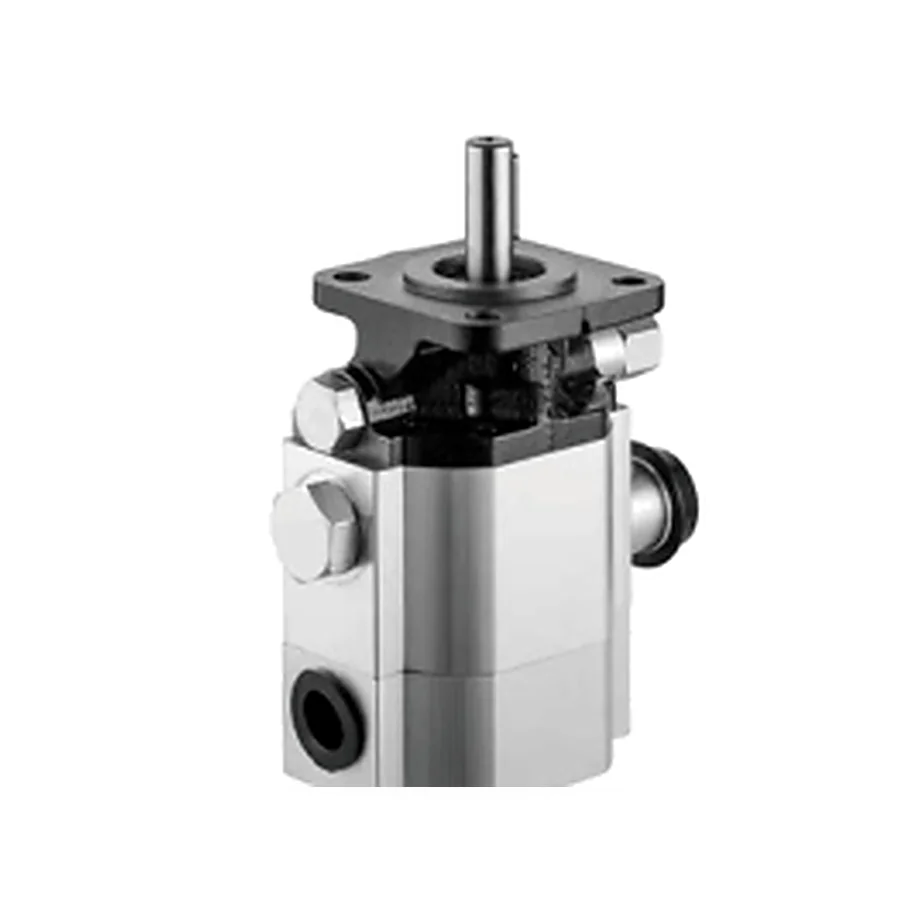
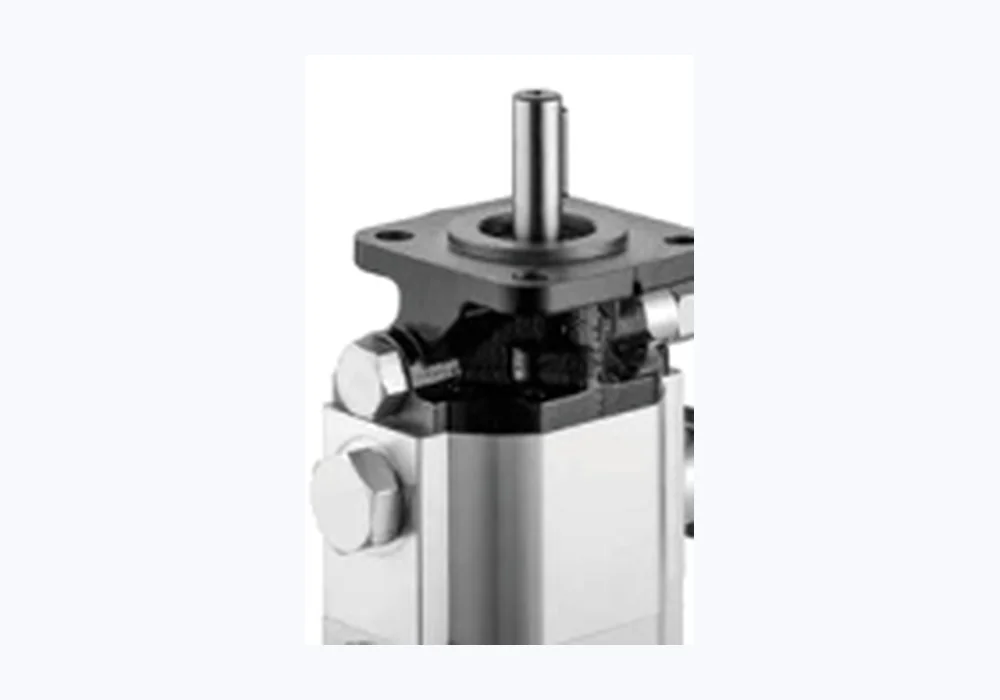
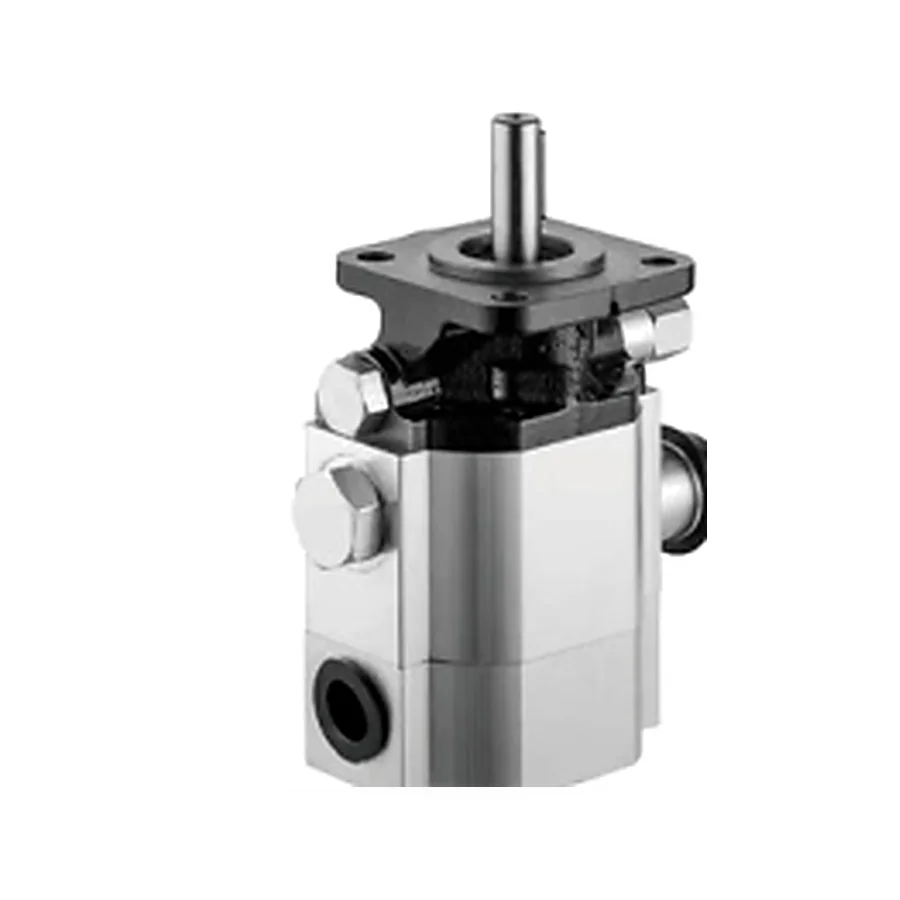
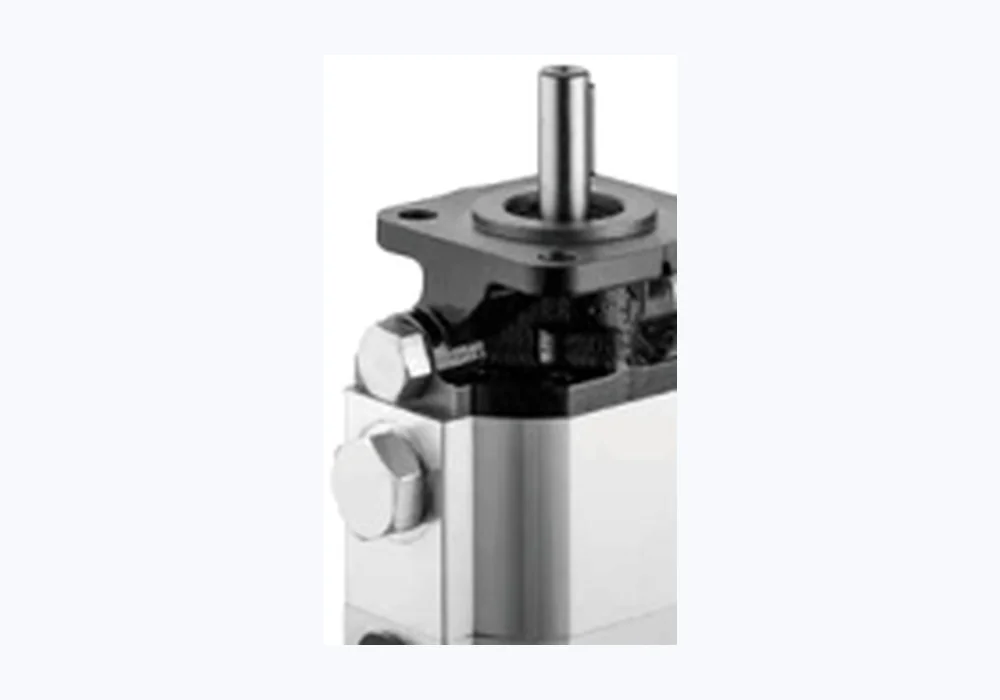
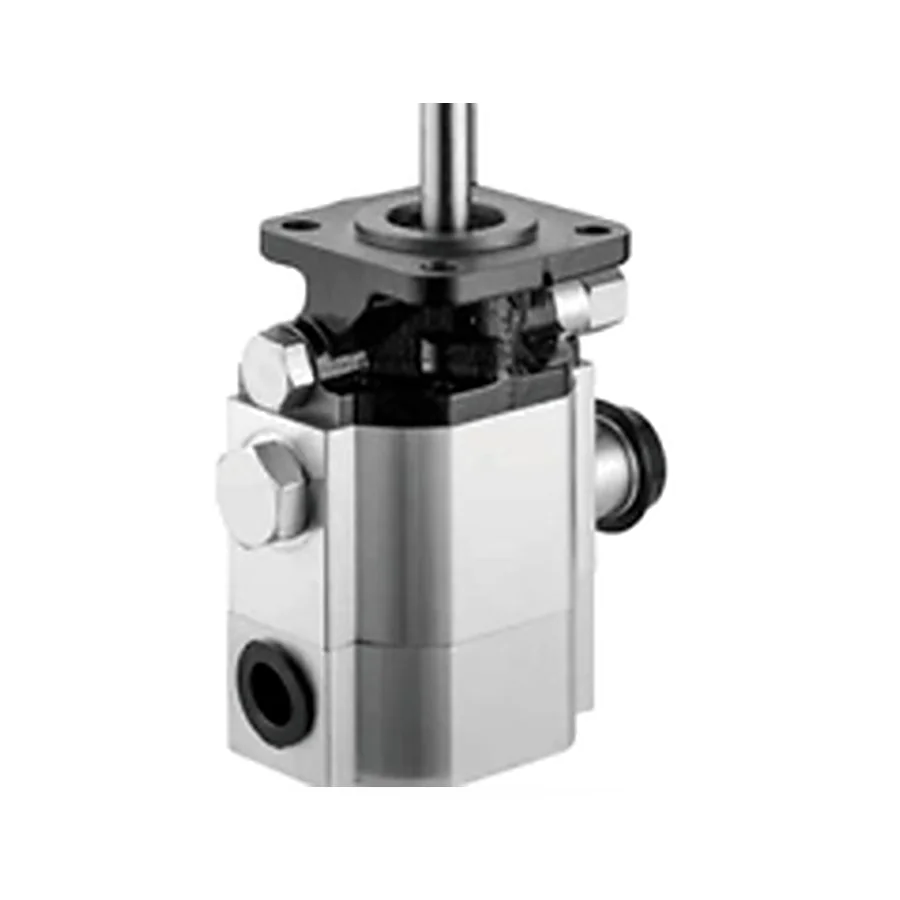
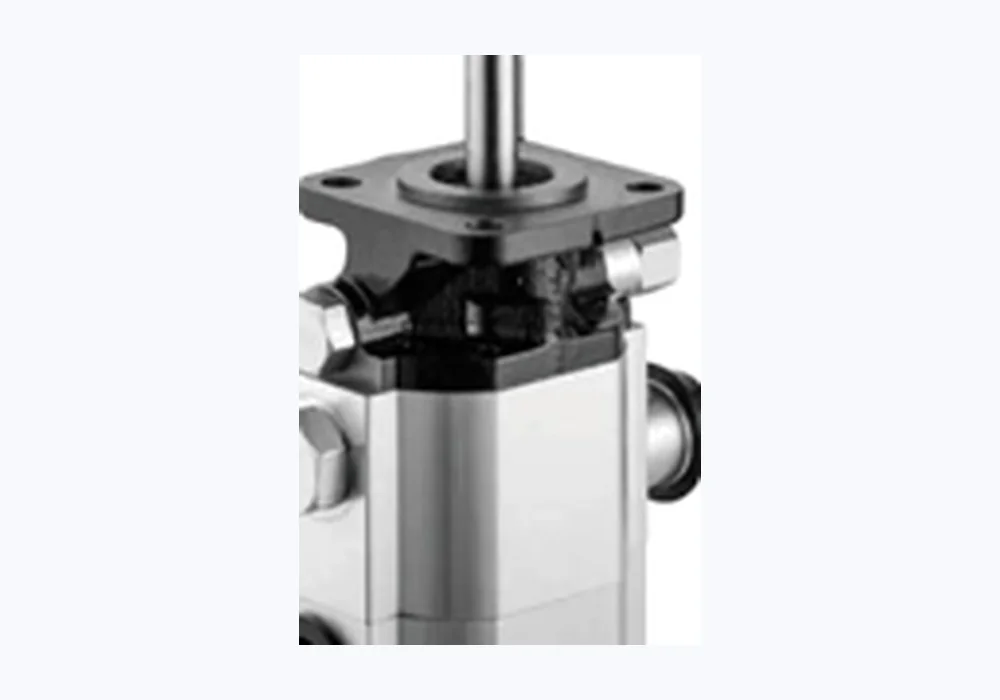
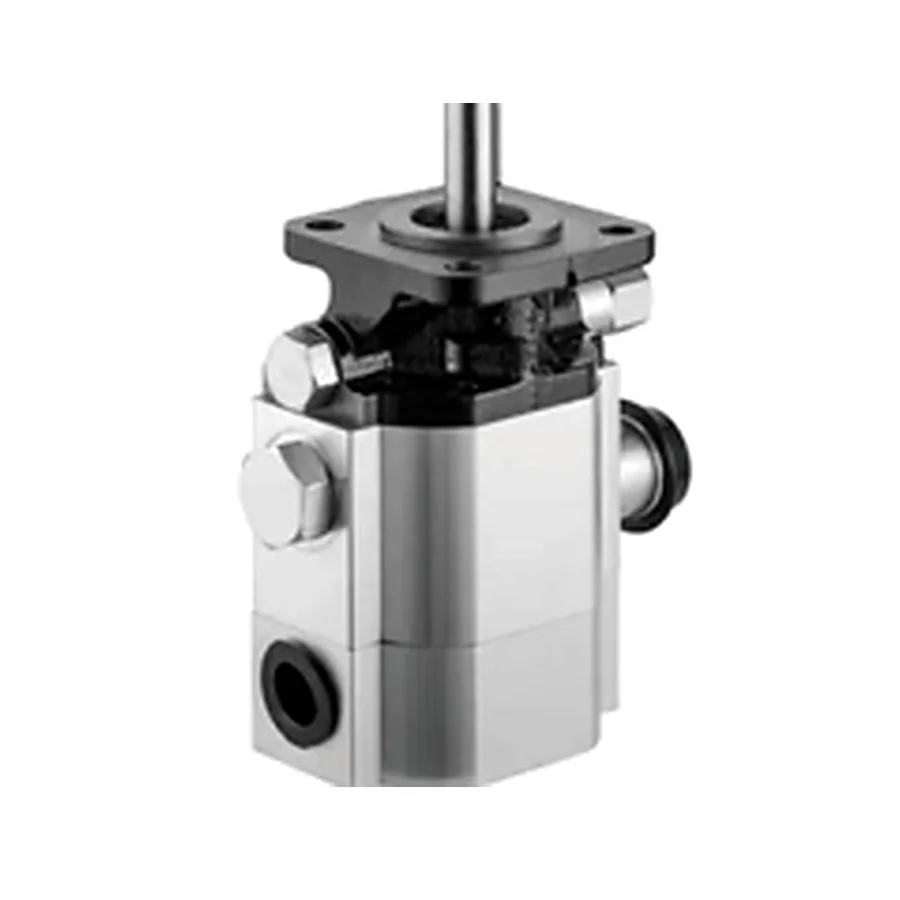
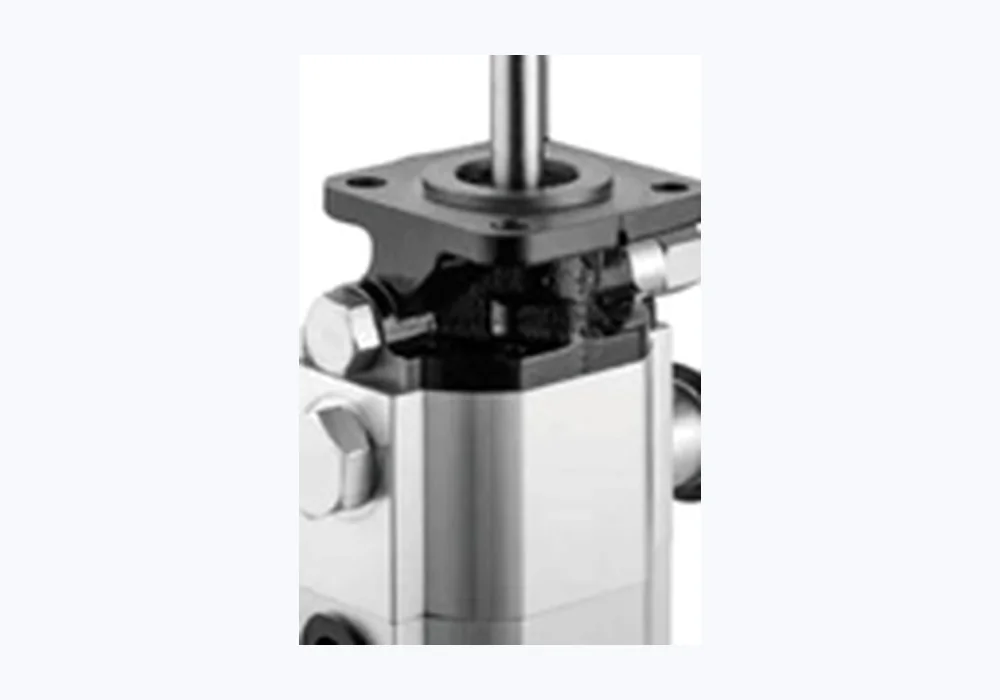
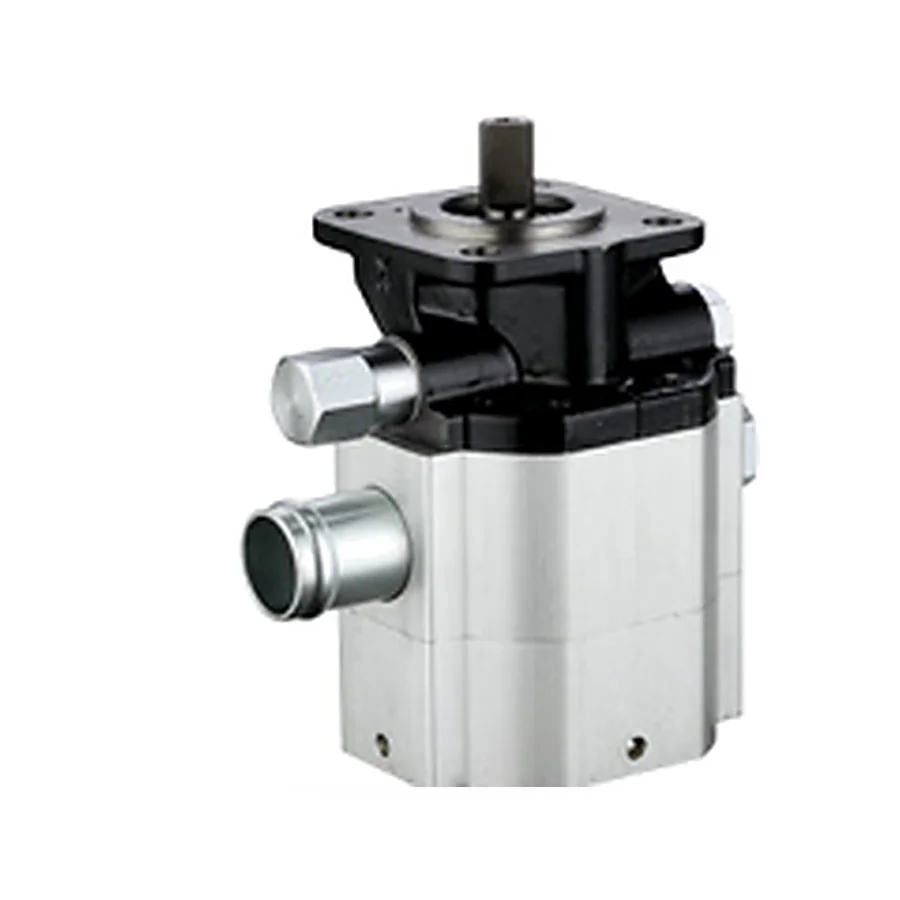
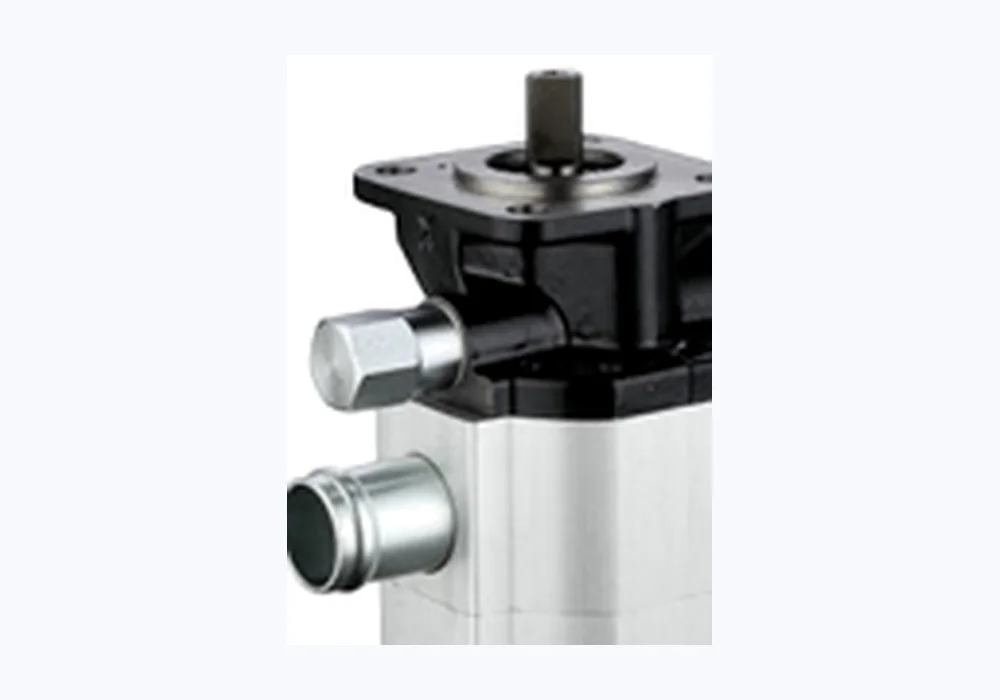
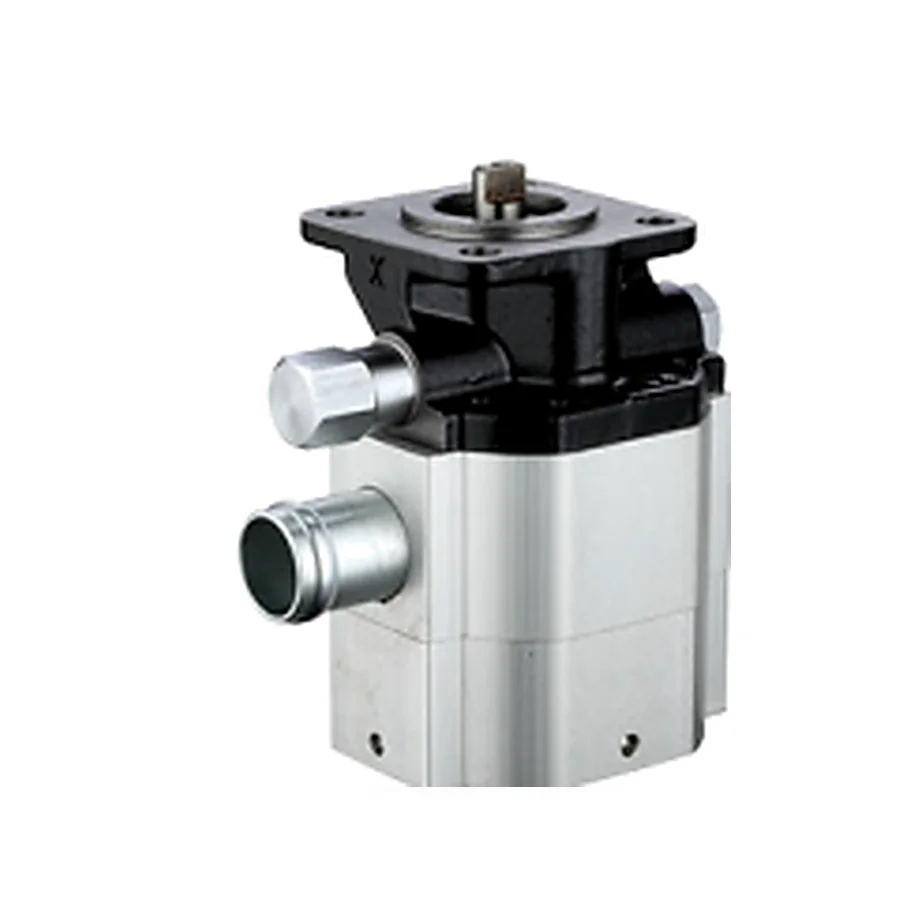
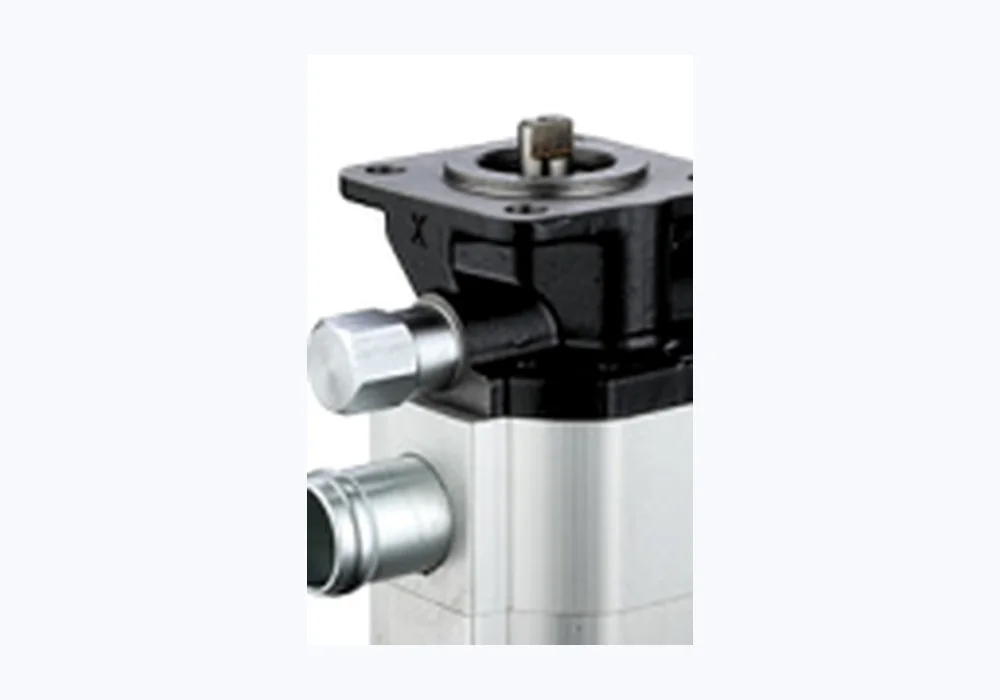
View drive-end appearance, shaft dimensions and mounting face for each model before confirming your replacement or OEM order.
How to select a two-stage splitter pump
Start with the cylinder bore, stroke and available prime-mover power, then compare the displacement pair and the two-stage pressure rating to your circuit relief settings.
High-volume section
- Sets maximum cylinder travel speed
- Operates at low pressure (fast-travel stage)
- Larger displacement — first figure in the pair
- Match to PTO or engine rpm for correct flow
High-pressure section
- Sets maximum splitting force
- Activates when circuit pressure rises
- Smaller displacement — second figure in the pair
- Relief valve must match rated high-pressure limit
Port & mounting check
- GHP, CBDN, CBNA and 2CB series differ in port layout
- Confirm G/NPT thread form before ordering
- Inlet 2 × G 3/8 · Outlet 2 × NPT 1/2
- Check shaft key and mounting face dimensions
The GHP-F3.5/F3.5R uses equal displacement in both sections (3.5 / 3.5 ml/rev) and a single 250 bar maximum pressure rating, rather than the stage-specific pressure pair found in the CBDN and CBNA families. Confirm whether your circuit requires a true two-stage unloading arrangement or simply dual-section flow.
OEM matching, maintenance & enquiry
Provide the original equipment reference, photos of the drive end and mounting face, port layout details, pressure requirements and required quantity. We confirm specification and compatibility before dispatch.
Locate the OEM reference
Find the model code on the pump body label, maintenance manual or the machine's parts list.
Photograph the pump
Capture the drive end, mounting flange, both inlet and outlet port faces, and the nameplate.
Note the circuit parameters
Record PTO speed, high-pressure stage limit, unloading valve type and reservoir connection size.
Send your enquiry
Share the reference, photos and circuit parameters via the contact form for a specification confirmation and quotation.
Installation check
Before fitting, verify fluid cleanliness, pre-fill the pump housing, and confirm all port connections torque to spec.
Frequently asked questions
How does a two-stage log splitter pump differ from a single pump?
What do the two pressure values mean?
What fittings do I need to check?
Can I order a sample or a single pump?
Is the GHP-F3.5/F3.5R a true two-stage pump?
Ordering, samples & delivery
Minimum order quantity is assessed by pump type, specification and total order value. Single-unit orders can be quoted; batch orders attract better unit pricing.
Samples & small lots
New customers may request 1–5 sample units for evaluation. Availability and sample pricing are confirmed for the selected model at the time of enquiry.
Mixed-model orders
Different pump models may be combined in one order. A combined order value of approximately USD 1 500 supports a standard mixed shipment.
Production schedule
Standard parts: 10–25 working days. Customised assemblies: 20–45 working days. Project equipment: 45–120 working days.
Trade terms: EXW, FOB, CIF and DAP are normally available. FCA, CFR, CPT, CIP and DDP can be arranged according to the destination and shipment requirements. The agreed Incoterm and lead time will be stated in the formal quotation.
Need a model-specific quotation?
Provide the current pump code, circuit parameters and required quantity to our sales team.