
What Factors Can Lead to Inverted Tooth Chain Failure?
Introduction
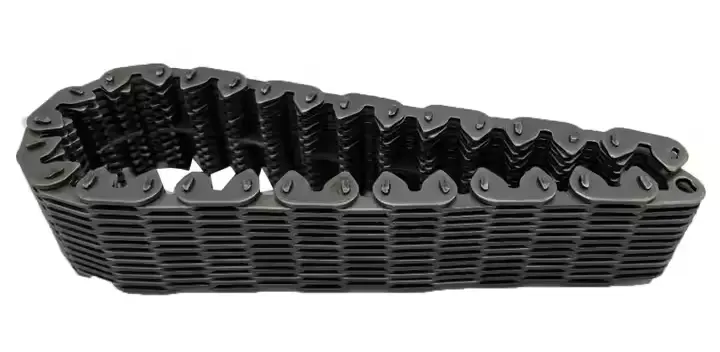
Inverted tooth chains are widely used in various industries for power transmission applications. These chains consist of toothed links that engage with sprockets to transmit motion and power. However, like any mechanical component, inverted tooth chains are not immune to failure. Understanding the factors that can lead to chain failure is crucial for ensuring the reliability and longevity of these systems.
1. Insufficient Lubrication
Proper lubrication is essential for the smooth operation of inverted tooth chains. Insufficient lubrication can result in increased friction, wear, and heat generation, ultimately leading to chain failure. Regular lubrication maintenance and using high-quality lubricants are key to preventing this issue.
2. Overloading
Exceeding the recommended load capacity of the inverted tooth chain can cause premature failure. The chains are designed to handle specific loads, and subjecting them to excessive loads can lead to stress concentration and deformation, compromising their integrity.
3. Misalignment
Improper alignment between the chain and sprockets can result in uneven distribution of forces and premature wear. Misalignment can be caused by incorrect installation, shaft deflection, or wear on the sprocket teeth. Regular inspection and adjustment are necessary to maintain proper alignment and prevent chain failure.
4. Corrosion and Contamination
Corrosion and contamination can significantly impact the performance and lifespan of inverted tooth chains. Exposure to moisture, chemicals, dirt, or debris can lead to corrosion, rust, and increased friction. Regular cleaning, protective measures, and using corrosion-resistant materials can help prevent these issues.
5. Fatigue Failure
Repetitive loading and stress cycles can cause fatigue failure in inverted tooth chains. This type of failure typically occurs over time due to the accumulation of micro-cracks and material fatigue. Proper chain selection, regular inspection, and maintenance can help mitigate the risk of fatigue failure.
6. Improper Installation and Maintenance
Incorrect installation practices and inadequate maintenance can contribute to chain failure. Improper tensioning, insufficient lubrication, and neglecting regular inspections can all lead to accelerated wear, increased stress, and eventual failure of the inverted tooth chain.
Sprockets for Silent Chains
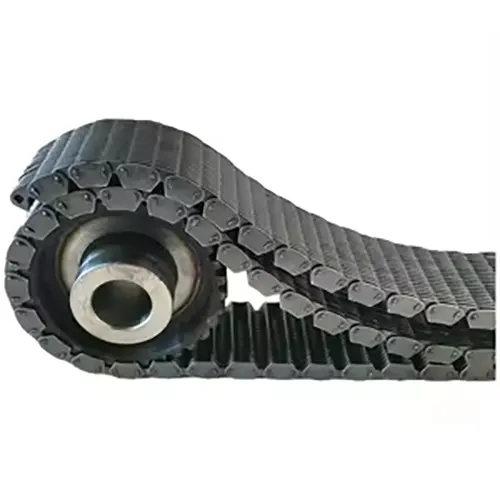
The relationship between silent chain sprockets and inverted tooth chains is mutually supportive and essential in power transmission systems. Silent chain sprockets are specially designed to engage with the inverted tooth chain, ensuring smooth and efficient power transfer. These sprockets undergo rigorous manufacturing processes to provide precise tooth profiles and optimal chain engagement. At Ever-power Group, we offer a wide range of silent chain sprockets for various applications, including the one shown below:
About Us
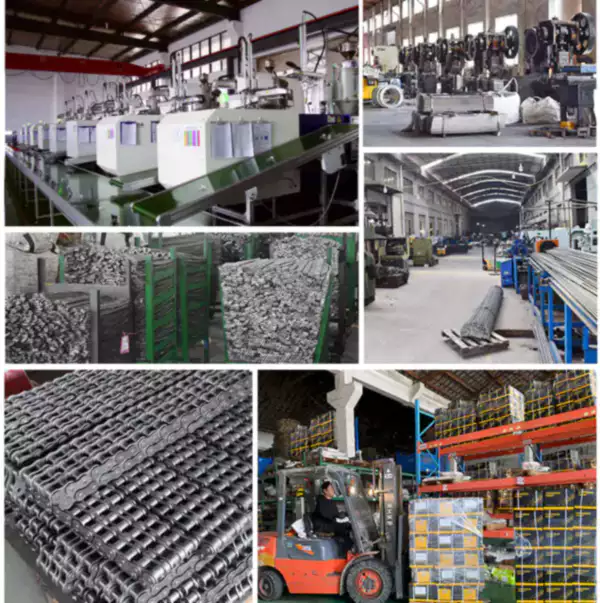
RP Techniek BV, the Netherlands sales agent of Ever-power Group, is a leading supplier of silent chains. Our high-quality products are widely exported to markets such as the United States, Canada, Japan, Korea, Brazil, and Australia. We are committed to providing competitive prices and excellent customer service.
Q&A:
Q1: How often should inverted tooth chains be lubricated?
A1: Inverted tooth chains should be lubricated regularly, ideally according to the manufacturer's recommendations. It is essential to monitor the lubrication condition and replenish or change the lubricant when necessary.
Q2: Can inverted tooth chains be used in high-temperature environments?
A2: Inverted tooth chains can withstand moderate temperatures, but they may not be suitable for extremely high-temperature applications. It is crucial to consider the chain's temperature rating and potential thermal expansion when operating in high-temperature environments.
Q3: How can misalignment be detected in inverted tooth chain systems?
A3: Misalignment can be detected by observing abnormal wear patterns on the chain and sprockets, unusual noise, or vibration during operation. Regular visual inspections and measurements can help identify and correct misalignment issues.
Q4: Is it possible to repair a damaged inverted tooth chain?
A4: Inverted tooth chains are generally not repairable. Once a chain is damaged, it is recommended to replace it with a new one to ensure the system's reliability and prevent further failures.
Q5: What are the advantages of using silent chain sprockets?
A5: Silent chain sprockets provide precise engagement with inverted tooth chains, minimizing noise and vibration. They also offer high load-carrying capacity, excellent durability, and efficient power transmission.
Edited by: Zqq.