
Introduction
Silent chains, also known as inverted tooth chains, are used in various industries such as automotive, food processing, and packaging. The silent chain technology has been around for over a century and has undergone several improvements to meet the safety standards. In this article, we will discuss the safety standards for silent chains.
Silent Chain Components
A silent chain has three main components: pins, links, and rollers. The pins hold the links together, while the rollers reduce the friction between the chain and the sprocket. The links allow the chain to be flexible, and the teeth on the links engage with the sprocket, making it a silent chain.
Silent Chain Standards
Silent chains must adhere to the safety standards set by various organizations such as the American National Standards Institute (ANSI) and the International Organization for Standardization (ISO). The safety standards include the maximum allowable load, minimum tensile strength, and fatigue resistance. Silent chains must be able to withstand high loads, tension, and frequent start-stop cycles without breaking or stretching.
Silent Chain Maintenance
Proper maintenance is crucial to ensure the safety of silent chains. The chains must be inspected regularly for wear, fatigue, and damage. Any damaged or worn-out chains must be replaced immediately to prevent accidents. Proper lubrication is also essential to reduce friction and prevent wear.
Silent Chain Applications
Silent chains are used in various applications such as power transmission, conveying, and timing. They are preferred over roller chains in applications that require high speeds, high loads, and low noise. Silent chains are commonly used in automotive engines, escalators, and packaging machines.
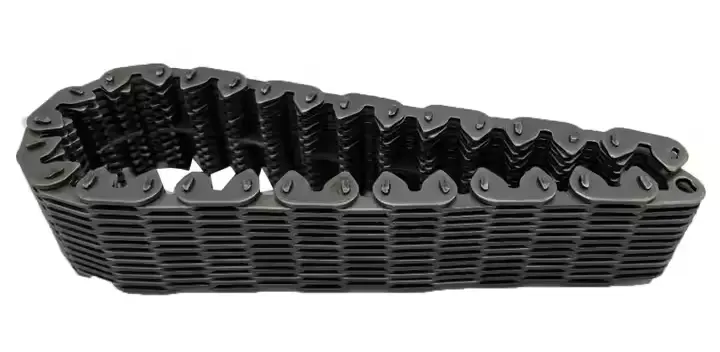
Inverted Tooth Chains
Inverted tooth chains are a type of silent chain that uses inverted teeth instead of links with teeth. Inverted tooth chains have a higher load capacity, longer service life, and lower noise than regular silent chains. Inverted tooth chains are commonly used in high-precision applications such as printing presses, machine tools, and robots.
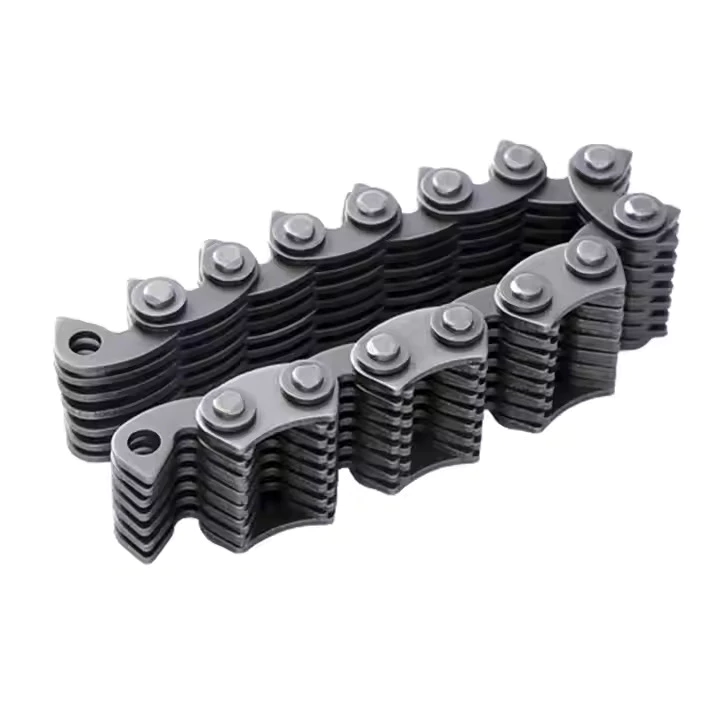
Inverted Tooth Chain Drive
An inverted tooth chain drive is a power transmission system that uses an inverted tooth chain and a sprocket to transmit power. Inverted tooth chain drives are preferred over other types of chain drives in applications that require high accuracy, high speeds, and low noise. Inverted tooth chain drives are commonly used in machine tools, textile machinery, and printing presses.
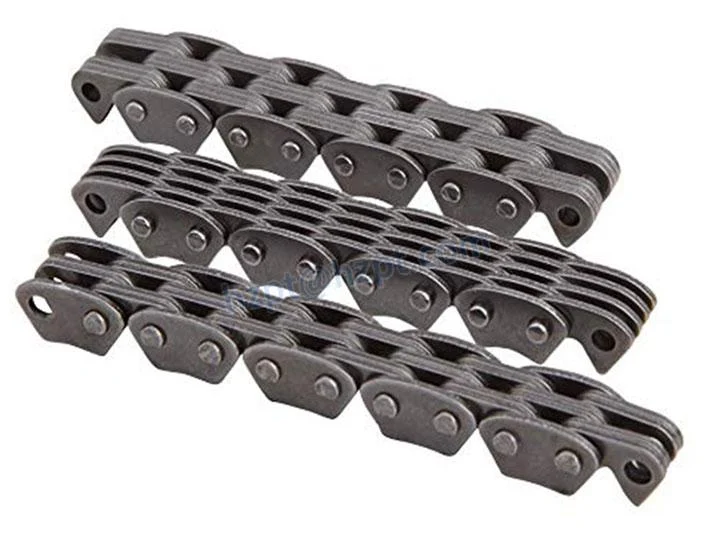
Sprockets for Silent Chains
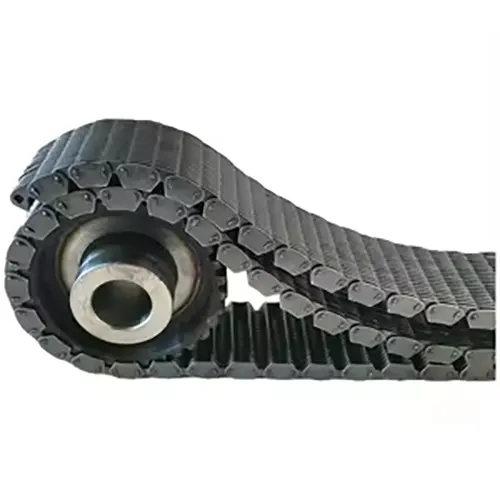
Sprockets for silent chains play a crucial role in the proper functioning of the chain drive. The sprockets must be designed to match the pitch and tooth profile of the chain to ensure smooth engagement and low noise. Inverted tooth chains require specialized sprockets with inverted teeth that match the chain's profile.
At RP Techniek BV, we offer a wide range of silent chain sprockets that are designed to meet the safety standards and provide reliable performance. Our silent chain sprockets are made from high-quality materials and are precision machined to ensure accurate dimensions.
About Us
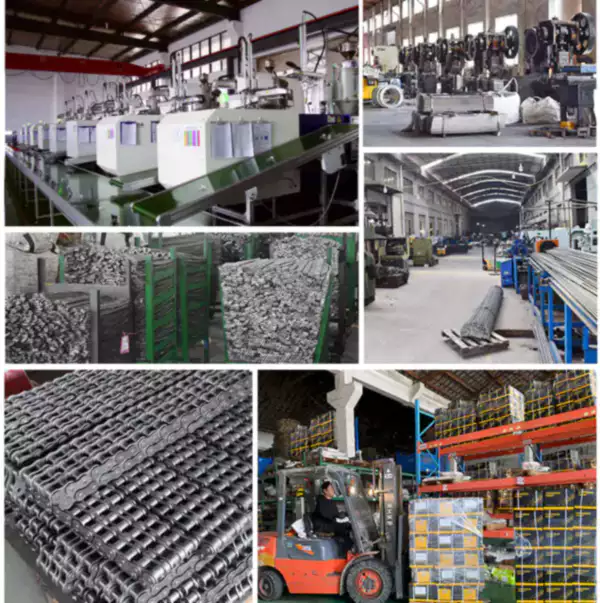
RP Techniek BV is the official sales representative of Ever-power Group in the Netherlands. We are a leading supplier of silent chains and sprockets and have been operating in the market for over two decades. Our products are exported to over 50 countries, including the United States, Canada, Japan, South Korea, Brazil, and Australia. We are committed to providing competitive prices and excellent service to our customers.
Q&A
Q1: What is a silent chain?
A1: A silent chain is a type of chain used in various applications such as power transmission, conveying, and timing. Silent chains are preferred over roller chains in applications that require high speeds, high loads, and low noise.
Q2: What are the components of a silent chain?
A2: A silent chain has three main components: pins, links, and rollers. The pins hold the links together, while the rollers reduce the friction between the chain and the sprocket. The links allow the chain to be flexible, and the teeth on the links engage with the sprocket, making it a silent chain.
Q3: What are the safety standards for silent chains?
A3: Silent chains must adhere to the safety standards set by various organizations such as the American National Standards Institute (ANSI) and the International Organization for Standardization (ISO). The safety standards include the maximum allowable load, minimum tensile strength, and fatigue resistance. Silent chains must be able to withstand high loads, tension, and frequent start-stop cycles without breaking or stretching.
Q4: What is an inverted tooth chain?
A4: An inverted tooth chain is a type of silent chain that uses inverted teeth instead of links with teeth. Inverted tooth chains have a higher load capacity, longer service life, and lower noise than regular silent chains. Inverted tooth chains are commonly used in high-precision applications such as printing presses, machine tools, and robots.
Q5: What is the role of sprockets in a silent chain drive?
A5: Sprockets for silent chains play a crucial role in the proper functioning of the chain drive. The sprockets must be designed to match the pitch and tooth profile of the chain to ensure smooth engagement and low noise. Inverted tooth chains require specialized sprockets with inverted teeth that match the chain's profile.
Edited by: Zqq.