Introduction
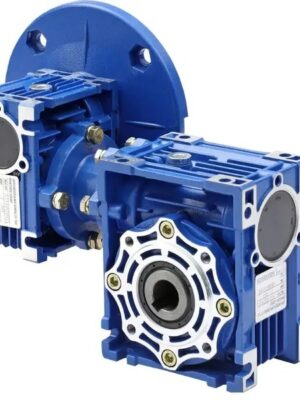
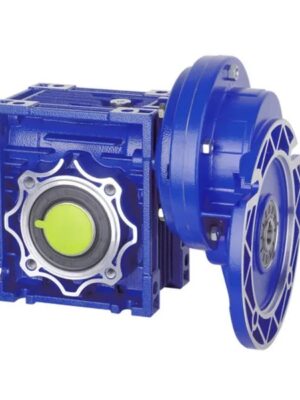
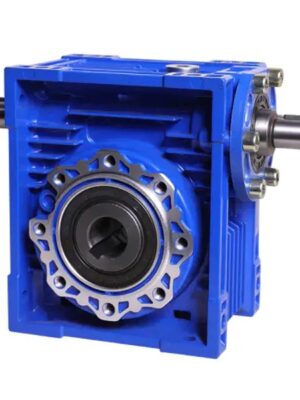
A double worm reduction gearbox is an essential component used in various industries for power transmission and speed reduction. However, like any mechanical device, it can experience issues and eventually fail. In this article, we will explore the indicators of a failing double worm reduction gearbox, helping you identify and address potential problems before they become critical.
1. Unusual Noise
Noise is often an early warning sign of gearbox failure. If you notice unusual grinding, whining, or clunking sounds coming from the gearbox, it may indicate internal damage or misalignment of gears. These noises should not be ignored, as they can signify impending failure and the need for immediate attention.
2. Overheating
Excessive heat generation within the gearbox is a clear indication of a problem. If you feel excessive heat radiating from the gearbox housing or notice discoloration or burning smells, it could suggest lubrication issues, gear misalignment, or other internal faults. Continued operation under such conditions can lead to irreparable damage.
3. Vibration
Abnormal vibrations can indicate several potential problems with a double worm reduction gearbox. Excessive vibration can result from worn-out bearings, misalignment of gears, or damaged gear teeth. Regular monitoring of vibrations can help identify and address these issues before they escalate and cause catastrophic gearbox failure.
4. Leakage
Leakage of lubricant or oil from the gearbox is a clear sign of a problem. It can indicate worn-out seals, damaged gaskets, or cracks in the gearbox housing. Leakage not only leads to lubrication loss but also exposes the gears to increased friction and wear. Prompt action should be taken to repair or replace affected components.
5. Decreased Performance
If you notice a significant decrease in the performance of the machinery driven by the double worm reduction gearbox, it could indicate gearbox failure. Symptoms of decreased performance include reduced torque output, slower rotational speed, and difficulty in achieving the desired operational parameters. Timely maintenance and repair can help restore optimal performance.
6. Gear Teeth Wear
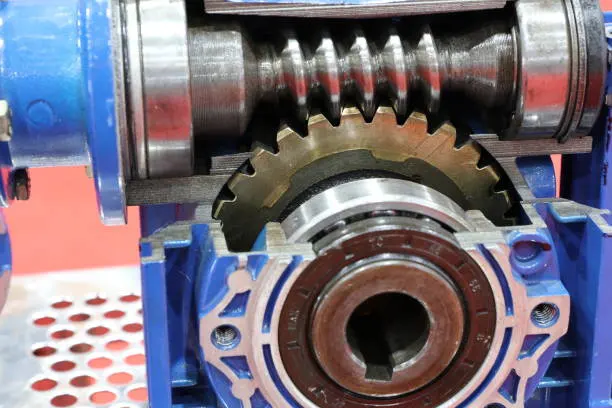
Inspecting the gear teeth is crucial for assessing the health of a double worm reduction gearbox. Excessive wear, pitting, or chipped teeth can indicate poor lubrication, misalignment, or the presence of contaminants. Regular inspection and maintenance of gear teeth can help prevent catastrophic gearbox failure and extend its service life.
7. Inconsistent Gear Engagement
If you experience problems with gear engagement, such as difficulty shifting or gears slipping out of position, it may signify internal gearbox issues. Improper gear engagement can lead to further damage and premature failure if not addressed promptly. Seeking professional assistance is recommended to diagnose and rectify the problem.
8. Unusual Vibration or Noise from Couplings
Double worm reduction gearboxes are often connected to other components through couplings. If you notice unusual vibrations or noises coming from the couplings, it may indicate misalignment or damage to the gearbox output shaft. Prompt inspection and corrective measures are necessary to prevent further damage to the gearbox and connected equipment.
9. Increased Energy Consumption
A failing double worm reduction gearbox may consume more energy than usual. This increased energy consumption can result from internal friction, misalignment, or inefficient gear engagement. Monitoring energy usage and comparing it with historical data can help identify potential gearbox issues and enable timely intervention.
10. Severe Gearbox Lock-Up
In extreme cases of gearbox failure, a double worm reduction gearbox may completely lock up, preventing any rotational movement. This lock-up can result from severe gear damage, misalignment, or lack of lubrication. It is crucial to address this issue immediately to prevent further damage to the gearbox and associated equipment.


Electric Motors for Sale
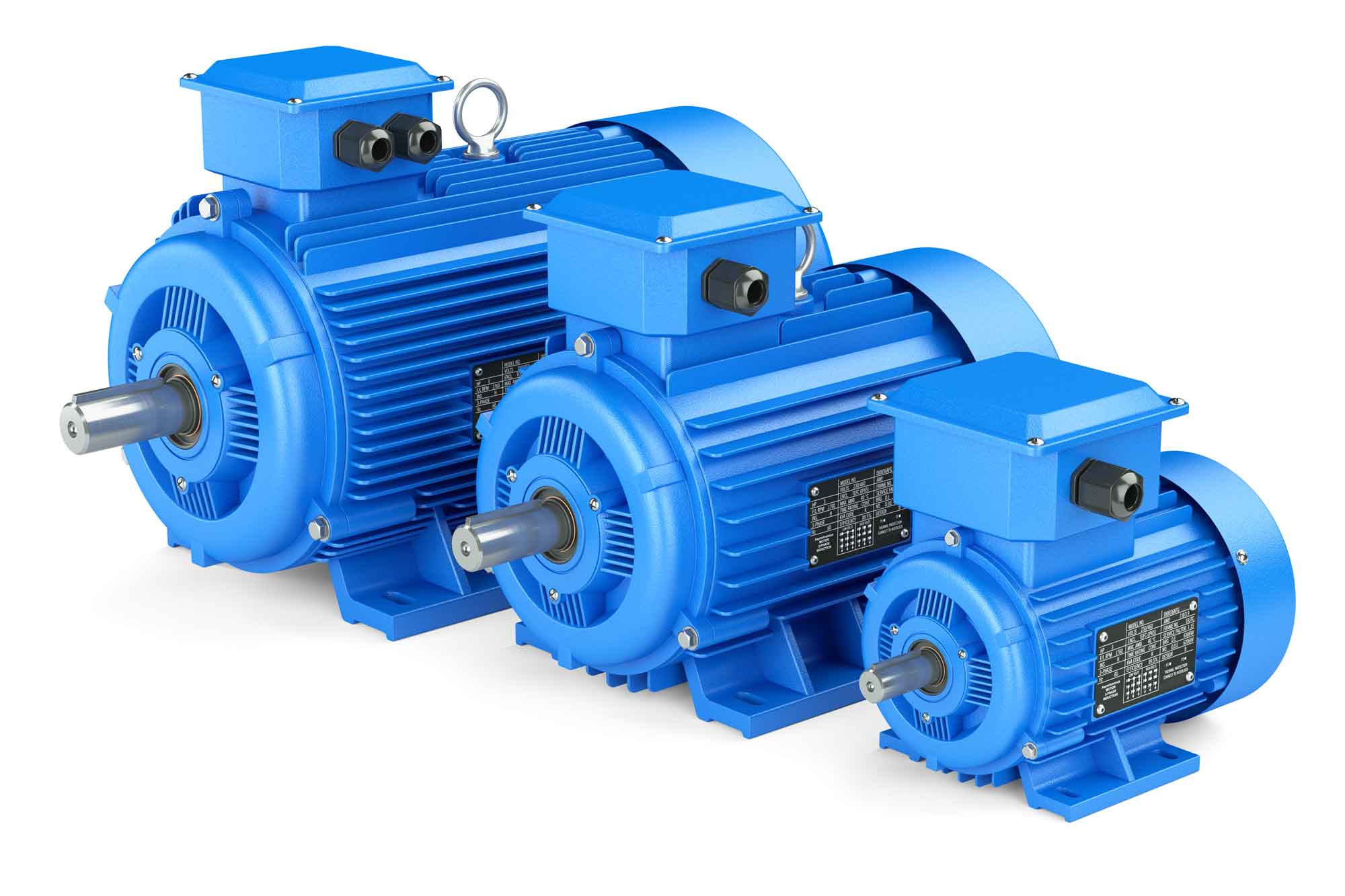
Electric motors and double worm reduction gearboxes go hand in hand, playing a crucial role in various industrial applications. The gearbox enables speed reduction and torque multiplication, while the electric motor provides the rotating power. The seamless interaction between these components ensures efficient operation and optimal performance of the machinery.
At Ever-power Group, we not only specialize in double worm reduction gearboxes but also offer a wide range of electric motors for sale. Our electric motors are designed and manufactured to complement our gearboxes, providing seamless integration and enhanced performance. We understand the importance of a reliable and efficient power transmission system and strive to provide our customers with top-quality products.
About Us
RP Techniek BV, as the sales agent of Ever-power Group in the Netherlands, is dedicated to serving customers with our exceptional range of worm gearboxes. With years of experience and a reputation for excellence, we take pride in supplying gearboxes that meet the highest standards of quality, durability, and performance.
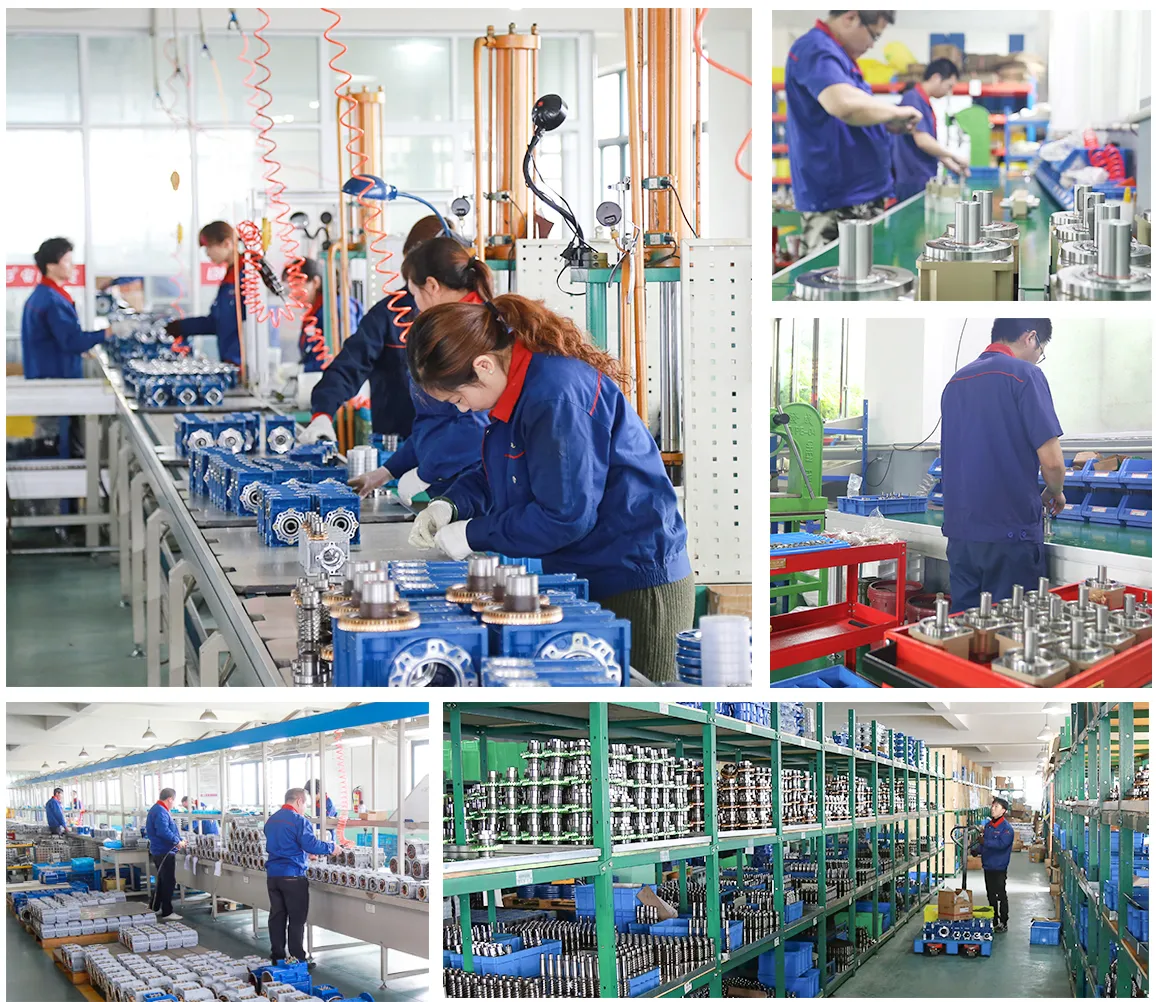
Our production capabilities are backed by advanced equipment and testing facilities, ensuring the precise engineering and reliable operation of our gearboxes. We cater to customers across Europe, America, Africa, Asia, and beyond, providing them with the best-in-class products and exceptional service.
Ever-power is a comprehensive transmission equipment manufacturer with over 25 years of experience. We specialize in the design, production, manufacture, and sales of speed reducers. Our commitment to innovation and customer satisfaction has made us a trusted name in the industry.
Our gearboxes find applications across various industries, including equipment industry, food industry, car washing industry, packaging industry, transmission industry, automation industry, solar energy industry, and more. We take pride in our ability to meet diverse customer needs and deliver products that exceed expectations.
Explore our range of products and contact us to experience the superior performance and reliability of Ever-power gearboxes. Join our satisfied customer base and discover why we are the preferred choice in the industry.
Q&A
Q1: How often should I inspect my double worm reduction gearbox?
A1: Regular inspections are recommended, with frequency depending on the operating conditions and usage intensity of the gearbox. However, a general guideline is to inspect the gearbox at least once every six months.
Q2: Can I repair a failing double worm reduction gearbox myself?
A2: It is recommended to seek professional assistance for gearbox repairs to ensure proper diagnosis and correct implementation of repairs. DIY repairs without adequate knowledge and expertise may lead to further damage.
Q3: What lubrication should I use for the double worm reduction gearbox?
A3: The lubricant requirements vary depending on the gearbox model and manufacturer's recommendations. It is essential to follow the specified lubrication guidelines provided by the gearbox manufacturer.
Q4: Can I use the gearbox if it shows minor signs of wear?
A4: It is not recommended to continue using a gearbox that shows signs of wear. Minor wear can quickly escalate and result in severe damage or failure. Timely maintenance and repair are essential to ensure optimal gearbox performance.
Q5: How long can a properly maintained double worm reduction gearbox last?
A5: The lifespan of a gearbox depends on various factors, including operating conditions, maintenance practices, and usage intensity. A well-maintained gearbox can last for several years, while inadequate maintenance or severe operating conditions may reduce its lifespan.
Edited by: Zqq.