
Introduction
Gearboxes play a crucial role in the functioning of many different industries, from automotive and manufacturing to energy and agriculture. However, the disposal of gearboxes can have a significant impact on the environment if not handled properly. In this article, we will discuss the environmental impact considerations for gearbox disposal and the steps that can be taken to minimize any negative effects.
Environmental Considerations
Waste Disposal Regulations
Any industrial waste, including gearboxes, must be disposed of properly in accordance with local, state, and federal waste disposal regulations. These regulations are in place to protect the environment and public health from the harmful effects of industrial waste. Failure to comply with these regulations can result in heavy fines and legal action.
Contamination of Soil and Water
Improper disposal of gearboxes can lead to the contamination of soil and water. Gearboxes contain a variety of materials that can be harmful to the environment, including heavy metals such as lead and cadmium. If these materials are not handled properly, they can leach into the soil and water, causing pollution and damage to ecosystems.
Air Pollution
The disposal of gearboxes can also contribute to air pollution. When gearboxes are burned or incinerated, they release harmful chemicals and gases into the atmosphere, including carbon monoxide and dioxins. These pollutants can have serious health effects on humans and wildlife, including respiratory problems, cancer, and birth defects.
Minimizing Environmental Impact
Recycling
One of the best ways to minimize the environmental impact of gearbox disposal is through recycling. Many of the materials used in gearboxes, including steel and aluminum, can be recycled and reused in other products. Recycling not only reduces the amount of waste that ends up in landfills, but it also conserves natural resources and reduces energy consumption.
Proper Disposal Techniques
When recycling is not an option, proper disposal techniques must be followed. This includes the use of licensed waste disposal companies that specialize in industrial waste. These companies have the equipment and expertise to handle and dispose of gearboxes safely and in compliance with all applicable regulations.
Environmental Impact Assessment
Prior to disposing of gearboxes, an environmental impact assessment should be conducted. This assessment will identify any potential environmental risks associated with the disposal and identify steps that can be taken to minimize those risks.
Electric Motors for Sale
Electric motors and gearboxes go hand in hand, as the motor provides the power while the gearbox controls the speed and torque. At RP Techniek BV, we understand the importance of this relationship, which is why we offer a wide range of electric motors for sale that are designed to work seamlessly with our gearboxes.
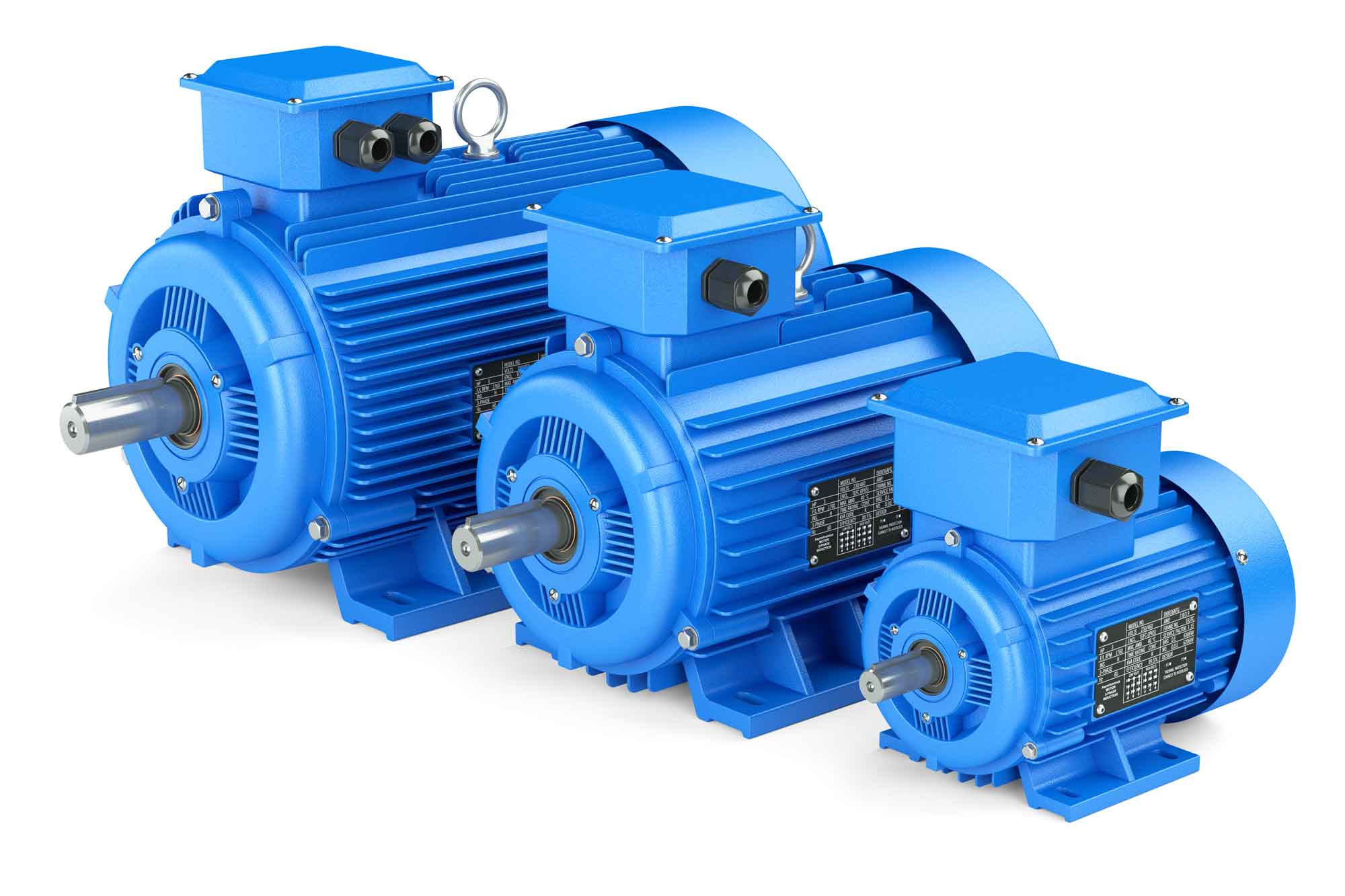
Our electric motors are designed to provide high efficiency and reliability, while also being environmentally friendly. They are available in a variety of sizes and configurations to meet the needs of any application. Contact us today to learn more about our electric motor options and how they can benefit your business.
About Us
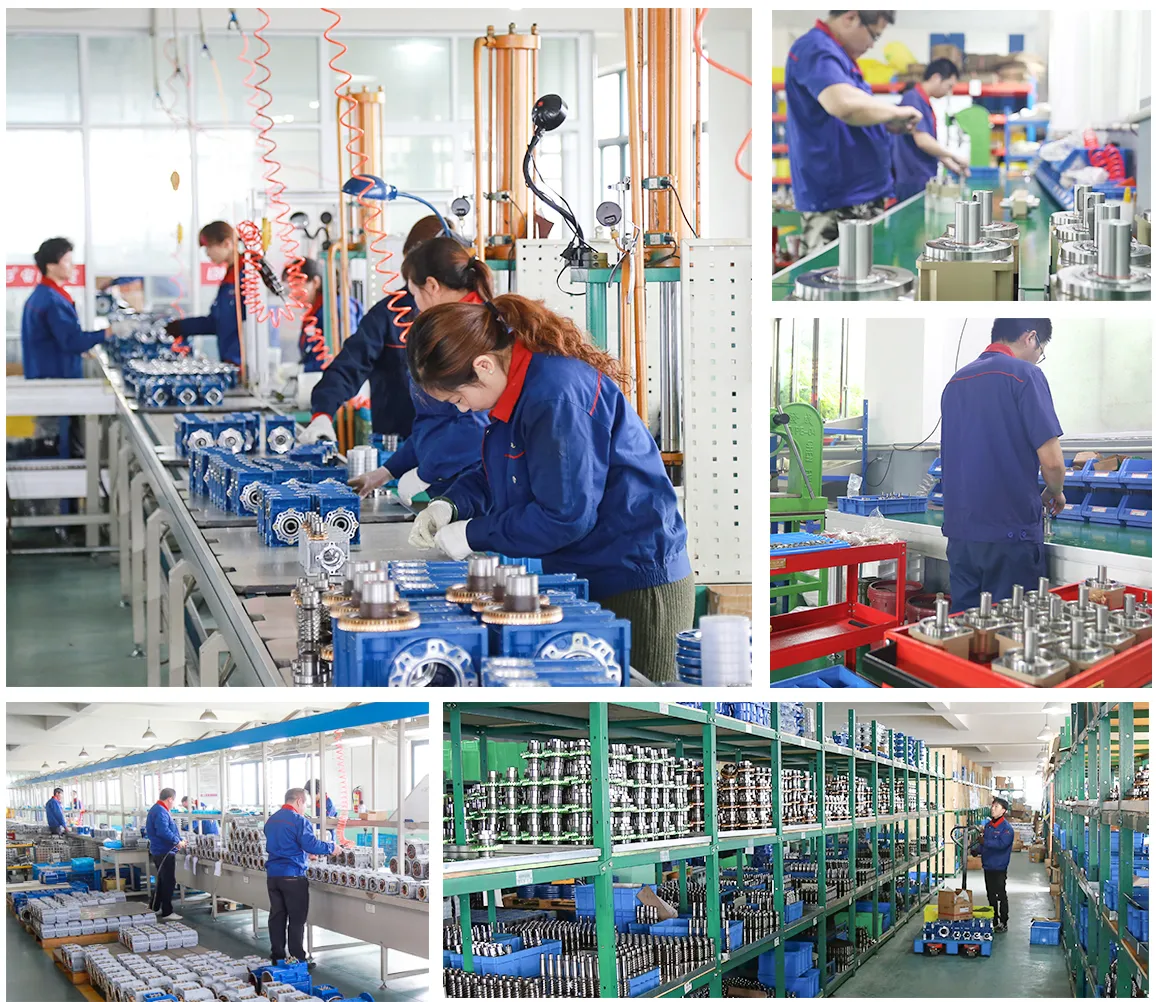
RP Techniek BV is the official sales agent for the Ever-power Group in the Netherlands. We specialize in the design, production, and sales of high-quality gearboxes for a wide range of industries.
Our products are known for their exceptional quality, reliability, and performance. We take pride in our ability to provide customized solutions that meet the unique needs of our customers.
Our gearboxes are used in many different industries, including equipment, food, car washing, packaging, transmission, automation, and solar energy. We have a large and loyal customer base in Europe, America, Africa, and Asia, and we are committed to providing the highest level of service and support to our customers.
At RP Techniek BV, we are dedicated to innovation and excellence in everything we do. We use the latest technology and production methods to ensure that our gearboxes are of the highest quality and meet the most demanding performance requirements.
Whether you need a standard gearbox or a custom solution, we are here to help. Contact us today to learn more about our products and services, and how we can help you achieve your business goals.
Q&A
Q1. Can gearboxes be recycled?
A1. Yes, many of the materials used in gearboxes, including steel and aluminum, can be recycled and reused in other products.
Q2. What are the potential risks associated with gearbox disposal?
A2. Improper disposal of gearboxes can lead to the contamination of soil and water and contribute to air pollution. Gearboxes contain a variety of materials that can be harmful to the environment, including heavy metals such as lead and cadmium.
Q3. What should be done prior to disposing of a gearbox?
A3. An environmental impact assessment should be conducted to identify any potential environmental risks associated with the disposal and identify steps that can be taken to minimize those risks.
Q4. Can electric motors be used without a gearbox?
A4. Yes, electric motors can be used without a gearbox, but a gearbox is often necessary to control the speed and torque of the motor.
Q5. What industries use gearboxes?
A5. Gearboxes are used in many different industries, including equipment, food, car washing, packaging, transmission, automation, and solar energy.
Edited by: Zqq.