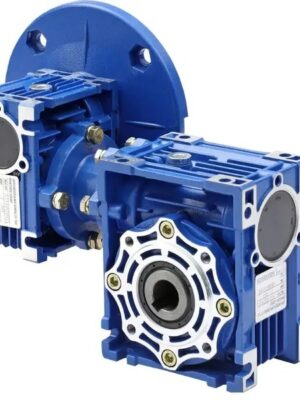
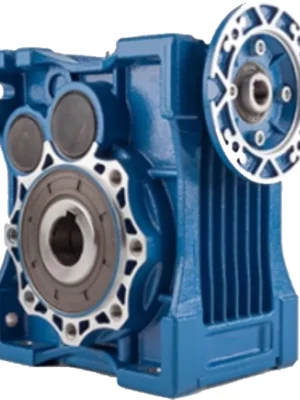
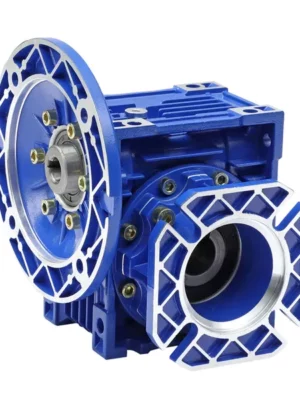
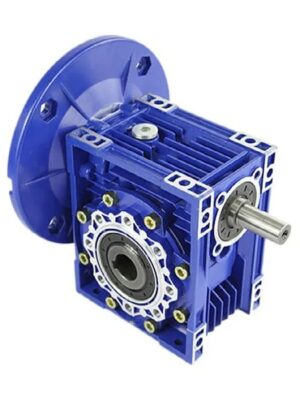
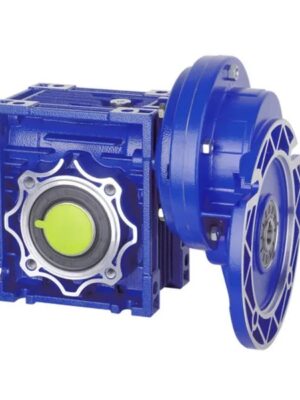
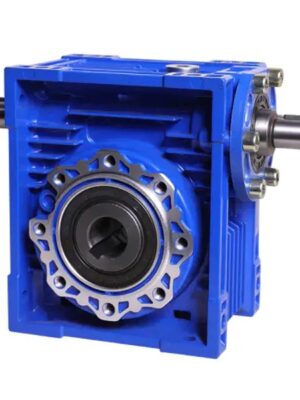
When it comes to choosing a gearbox, there are many factors to consider. One of the most significant considerations is whether to choose a cast or machined gearbox. Both types have their advantages and disadvantages, and it is important to understand the differences in performance between them to make an informed decision.
Casting vs. Machining: What Are They?
Before diving into the performance differences, it is essential to understand the basics of casting and machining. Casting is the process of pouring molten metal into a mold and allowing it to cool and solidify. Machining, on the other hand, involves removing material from a solid metal block to create the desired shape and size.
Strength and Durability
Cast gearboxes are typically less strong and durable than machined gearboxes. The casting process can result in small air pockets and other imperfections, which can weaken the metal and make it more prone to cracking and breaking. Machined gearboxes, on the other hand, are made from solid metal and are generally more robust and resistant to damage.
Precision and Accuracy
Machining allows for greater precision and accuracy than casting. When a gearbox is machined, the manufacturer can ensure that it is precisely the right shape and size, with no imperfections or irregularities. This level of precision can result in better performance and efficiency from the gearbox. Cast gearboxes, on the other hand, may have slight variations in shape and size, which can affect their performance.
Noise and Vibration
Machined gearboxes are generally quieter and less prone to vibration than cast gearboxes. This is because machined gearboxes can be designed with greater precision, which reduces the likelihood of gears rubbing against each other or other parts of the gearbox. Cast gearboxes may have slight variations in shape and size that can cause more noise and vibration during operation.
Cost
Cast gearboxes are generally less expensive to produce than machined gearboxes. The casting process is less labor-intensive and requires less specialized equipment than machining. However, the lower cost of cast gearboxes may come at the expense of performance and durability.
Conclusion
When choosing a gearbox, it is essential to consider the differences in performance between cast and machined gearboxes. While cast gearboxes may be less expensive, they are generally weaker, less precise, and more prone to noise and vibration than machined gearboxes. Machined gearboxes are generally stronger, more precise, and quieter, but they may come at a higher cost.

Electric Motors for Sale
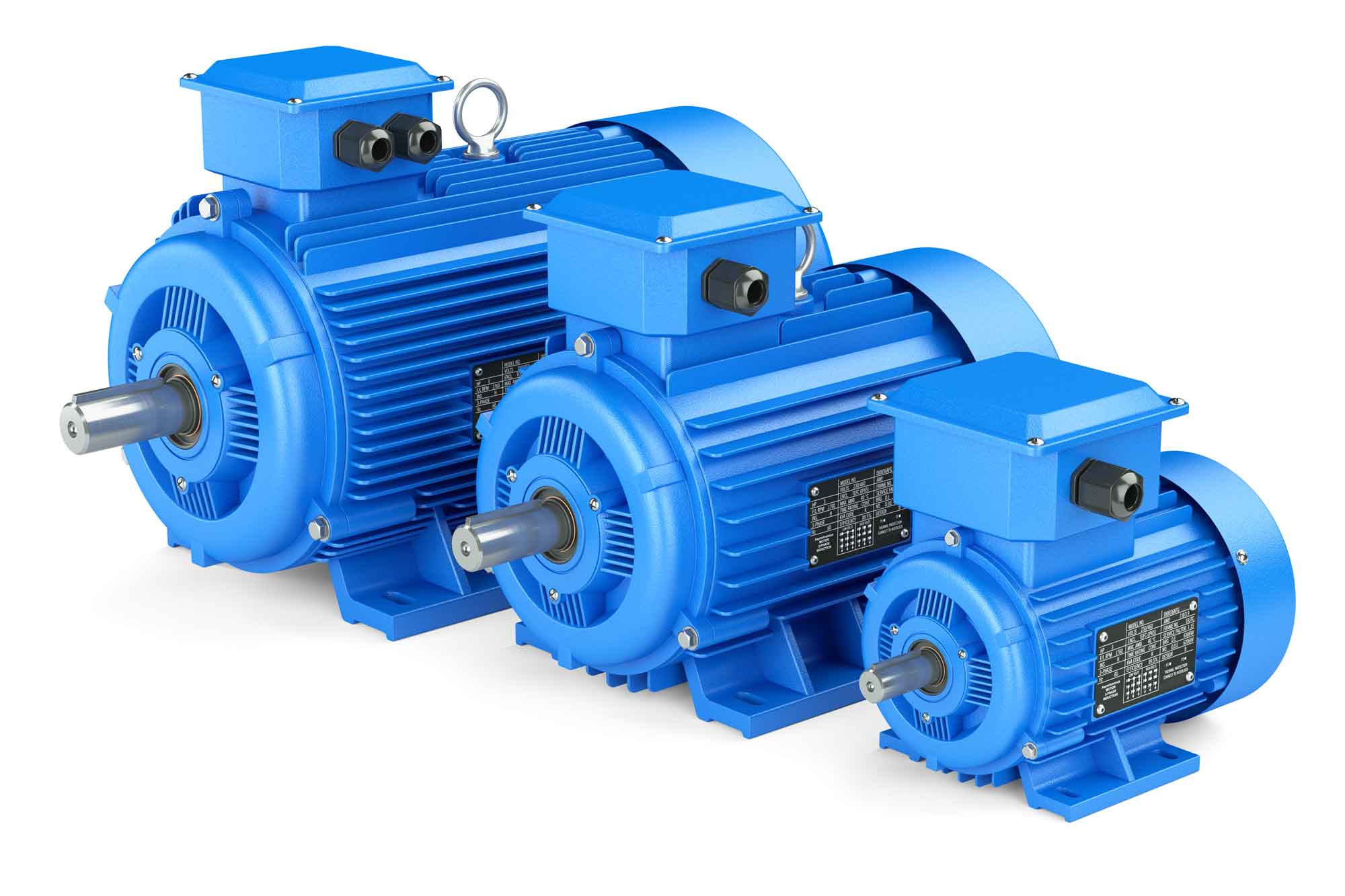
Electric motors and gearboxes go hand in hand when it comes to power transmission. A high-quality gearbox can help to increase the efficiency and performance of an electric motor, while a high-quality electric motor can help to maximize the performance of a gearbox.
At RP Techniek BV, we offer a wide range of electric motors for sale that are designed to work seamlessly with our gearboxes. Our motors are high-quality, energy-efficient, and reliable, making them the perfect complement to our gearboxes.
About Us
RP Techniek BV is the official sales agent for the Ever-power Group in the Netherlands. We specialize in the design, production, and sale of high-quality worm gearboxes and other transmission equipment.
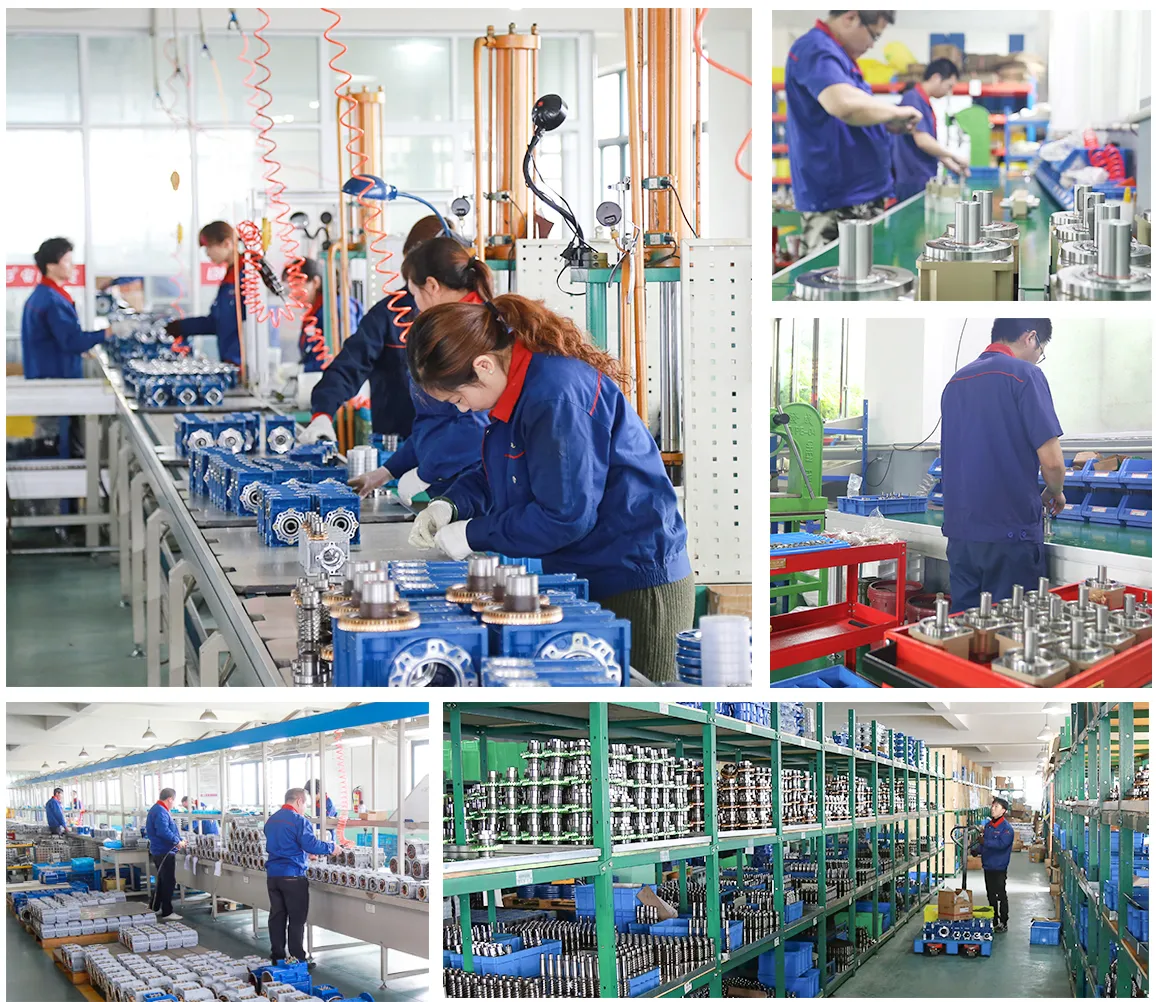
At RP Techniek BV, we are committed to providing our customers with the highest-quality products and services. We have a team of experienced professionals and technicians who are dedicated to ensuring that our gearboxes and motors are of the highest quality. We use advanced manufacturing techniques and state-of-the-art equipment to produce our gearboxes, and we are constantly innovating and improving our products to meet the needs of our customers.
Our gearboxes are widely used in a variety of industries, including equipment, food, car washing, packaging, transmission, automation, solar energy, and more. We are proud to have earned the trust and loyalty of our customers, and we are committed to providing the best possible products and services.
Q&A
Q: What is the difference between a worm gearbox and a helical gearbox?
A: A worm gearbox uses a worm screw to turn a gear, while a helical gearbox uses a set of helical gears to transmit power.
Q: What is the maximum torque that a worm gearbox can handle?
A: The maximum torque that a worm gearbox can handle depends on several factors, including the size and design of the gearbox, the speed of rotation, and the material used to make the gearbox. However, worm gearboxes are generally able to handle high torque loads, making them ideal for heavy-duty applications.
Q: Can a worm gearbox be used in a food processing application?
A: Yes, worm gearboxes are often used in food processing applications because they are easy to clean and maintain, and they do not require lubrication.
Q: How do I choose the right size gearbox for my application?
A: Choosing the right size gearbox depends on several factors, including the amount of torque required, the speed of rotation, and the load that the gearbox will be handling. It is important to work with a knowledgeable gearbox supplier who can help you select the right gearbox for your specific application.
Q: Does RP Techniek BV offer custom gearbox solutions?
A: Yes, at RP Techniek BV, we offer custom gearbox solutions to meet the specific needs of our customers. Our experienced team of engineers and technicians can design and produce gearboxes that are tailored to your unique requirements.
Edited by: Zqq.