
Introduction
Inverted tooth chains, also known as silent chains, are used in various types of machinery for conveying, driving, and positioning. Unlike standard roller chains, inverted tooth chains feature a unique tooth profile that allows for smooth, quiet operation and high-torque capacity.
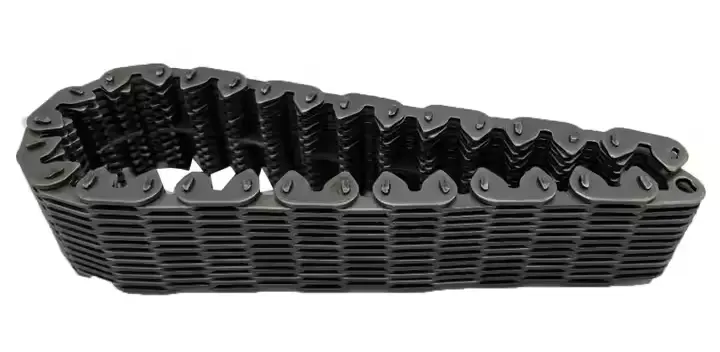
History of Inverted Tooth Chains
The design of inverted tooth chains dates back to the early 1900s, when they were first introduced for use in bicycles. Over time, the design was refined and adapted for use in a wide range of industrial applications.
Design Features of Inverted Tooth Chains
1. Tooth Profile
The tooth profile of an inverted tooth chain is asymmetrical, with one side of each tooth being straight and the other side being curved. This design allows for smooth engagement and disengagement of the chain.
2. Link Plates
The link plates of an inverted tooth chain are thicker than those of a standard roller chain, which provides greater strength and durability.
3. Pins and Bushings
The pins and bushings of an inverted tooth chain are designed to provide a precise fit, which reduces wear and extends the life of the chain.
4. Tensioning
Inverted tooth chains require less tension than standard roller chains, which reduces the load on the chain and the sprockets.
5. Lubrication
Inverted tooth chains require proper lubrication to operate effectively. The lubricant helps to reduce friction and wear, and also helps to dissipate heat.
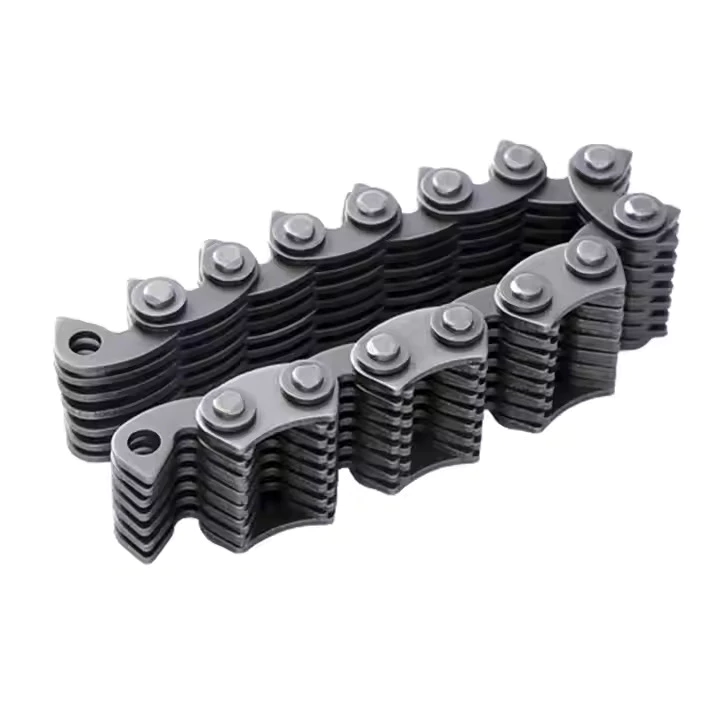
Applications of Inverted Tooth Chains
Inverted tooth chains are used in a wide range of industrial applications, including conveyor systems, power transmission, positioning systems, and more. Their unique tooth profile and high-torque capacity make them ideal for applications that require smooth, quiet operation and reliable performance.
Inverted Tooth Chain Drive
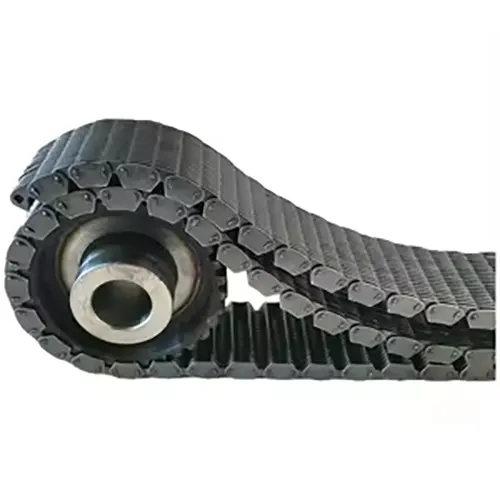
The inverted tooth chain drive is a type of power transmission system that uses an inverted tooth chain and sprockets to transmit power from one shaft to another. The sprockets are designed to mesh with the teeth of the chain, which allows for smooth, quiet operation and high-torque capacity.
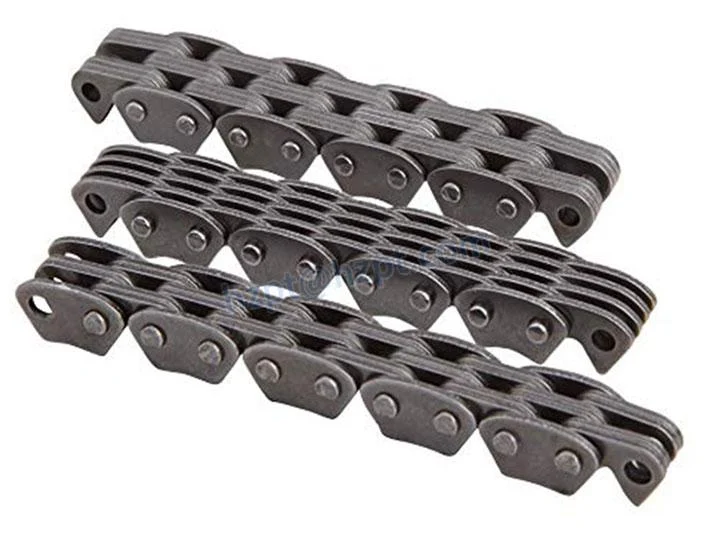
Sprockets for Silent Chains
Sprockets for silent chains, also known as inverted tooth chain sprockets, are designed specifically for use with inverted tooth chains. They feature a unique tooth profile that matches the tooth profile of the chain, which allows for smooth, quiet operation and high-torque capacity.
Silent chain sprockets and inverted tooth chains are complementary components that work together to provide reliable and efficient power transmission. Proper selection and maintenance of these components is essential to ensure optimal performance and durability.
About Us
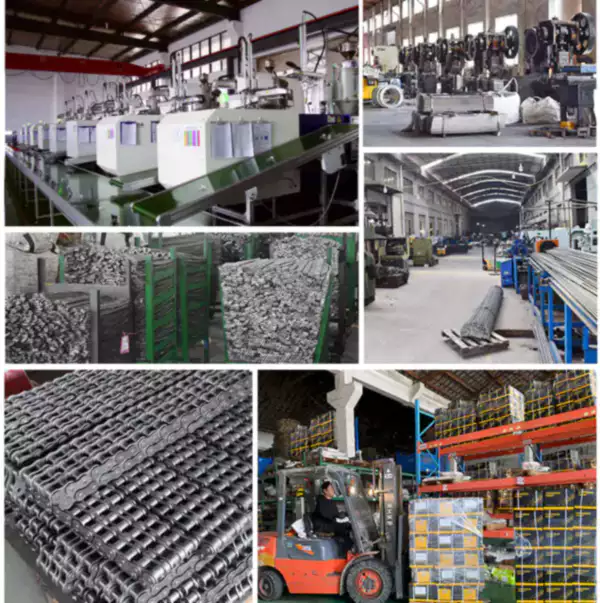
RP Techniek BV is the Netherlands sales representative of Ever-power Group. We are a leading supplier of silent chains and other power transmission components. Over 90% of our products are exported to markets such as the United States, Canada, Japan, Korea, Brazil, and Australia. We are committed to providing competitive pricing and high-quality service.
Q&A
1. What is the maximum torque capacity of an inverted tooth chain?
The maximum torque capacity of an inverted tooth chain depends on a variety of factors, including the size and pitch of the chain, the number of teeth on the sprockets, and the type of lubrication used. Generally speaking, inverted tooth chains are capable of transmitting higher torque loads than standard roller chains.
2. How often should I lubricate my inverted tooth chain?
Inverted tooth chains should be lubricated regularly to ensure optimal performance and durability. The frequency of lubrication depends on the specific application and operating conditions. In general, it is recommended to lubricate the chain every 8-12 hours of operation.
3. Can I use a standard roller chain sprocket with an inverted tooth chain?
No, inverted tooth chains require sprockets that are specifically designed for use with this type of chain. Using a standard roller chain sprocket could result in premature wear and failure of the chain and sprocket.
4. How do I select the right inverted tooth chain for my application?
The selection of an inverted tooth chain depends on a variety of factors, including the required torque capacity, operating speed, environmental conditions, and more. It is recommended to consult with a qualified engineer or supplier to ensure proper selection of the chain and sprockets.
5. What is the difference between an inverted tooth chain and a standard roller chain?
The main difference between an inverted tooth chain and a standard roller chain is the tooth profile. Inverted tooth chains feature a unique tooth profile that allows for smooth, quiet operation and high-torque capacity, while standard roller chains have a simpler tooth profile and are generally used in lower-torque applications.
Edited by: Zqq.