
Introduction
Silent chains, also known as inverted tooth chains, are an essential component in various industries. Proper training of staff on their use and maintenance is crucial for ensuring efficient and reliable operation. In this article, we will explore the key aspects of training staff on the use and maintenance of silent chains.
1. Understanding Silent Chains
1.1 What are Silent Chains?
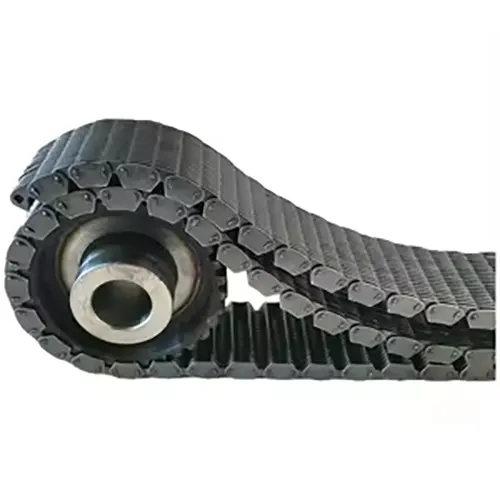
Silent chains are power transmission components that consist of alternating rows of links and pins. They have a unique tooth profile that allows for quiet and smooth operation.
1.2 Advantages of Silent Chains
Silent chains offer several advantages over other types of power transmission systems, including high power transmission capacity, compact size, and excellent durability.
2. Preparing for Training
2.1 Assessing Training Needs
Before conducting training, it is essential to assess the specific needs of the staff. This includes evaluating their existing knowledge and identifying any knowledge gaps that need to be addressed.
2.2 Developing Training Materials
The training materials should be comprehensive and easy to understand. They should cover topics such as silent chain selection, installation, lubrication, and troubleshooting.
3. Training Methods
3.1 Classroom Training
Classroom training provides an opportunity for theoretical learning. It should include presentations, demonstrations, and interactive sessions to engage the staff effectively.
3.2 Hands-on Training
Hands-on training allows staff to apply their theoretical knowledge in a practical setting. This can include exercises such as installing and tensioning silent chains.
4. Ensuring Safety
4.1 Safety Precautions
Staff should be trained on the importance of following safety precautions when working with silent chains. This includes wearing appropriate protective gear and avoiding contact with moving parts.
4.2 Regular Maintenance Inspections
Regular maintenance inspections should be conducted to identify any potential issues or signs of wear. This helps prevent unexpected chain failures and ensures a safe working environment.
5. Troubleshooting and Maintenance
5.1 Troubleshooting Common Issues
Staff should be trained on identifying and troubleshooting common issues with silent chains, such as excessive wear, misalignment, or insufficient lubrication.
5.2 Proper Lubrication
Proper lubrication is crucial for ensuring the longevity of silent chains. Staff should be trained on the appropriate lubrication methods and the importance of maintaining proper lubricant levels.
6. Sprockets for Silent Chains
The use of silent chain sprockets is crucial for the efficient operation of silent chains. Silent chain sprockets feature specially designed tooth profiles that match the unique tooth profile of the chains, ensuring smooth engagement and minimal noise. These sprockets play a vital role in transferring power from the driving shaft to the silent chain. At Ever-power Group, we offer a wide range of high-quality silent chain sprockets for various applications.
About Us
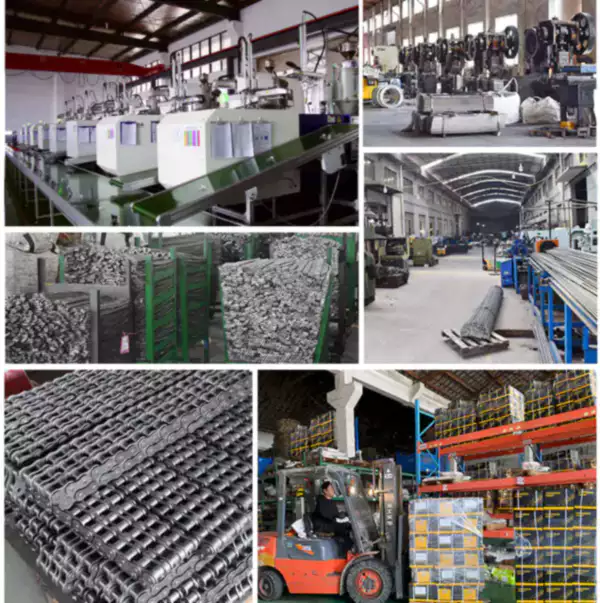
RP Techniek BV is the authorized sales agent of Ever-power Group in the Netherlands. We are a leading supplier of silent chains and other power transmission components. Our products are exported to markets such as the United States, Canada, Japan, South Korea, Brazil, and Australia, accounting for over 90% of our sales. We are committed to providing competitive prices and excellent service to our customers.
Q&A
Q1: How often should silent chains be inspected for maintenance?
A1: Silent chains should be inspected for maintenance at regular intervals, ideally every 6 to 12 months, depending on the operating conditions and workload.
Q2: Can silent chains be used in high-temperature environments?
A2: Yes, silent chains can be used in high-temperature environments by selecting appropriate heat-resistant materials and lubricants.
Q3: What are the common causes of silent chain failures?
A3: Common causes of silent chain failures include inadequate lubrication, excessive tension, misalignment, and foreign particle contamination.
Q4: How can I determine the correct silent chain tension?
A4: Correct silent chain tension can be determined by following the manufacturer's recommendations and using tension measurement tools.
Q5: Can silent chains be repaired if they are damaged?
A5: Silent chains are generally not repairable. Damaged chains should be replaced with new ones to ensure reliable operation.
Edited by: Zqq.