Introduction
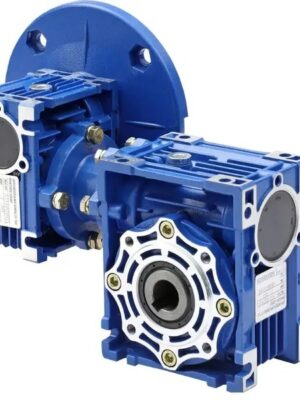
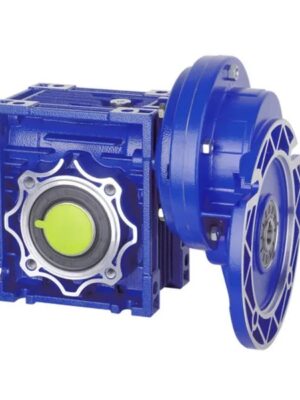
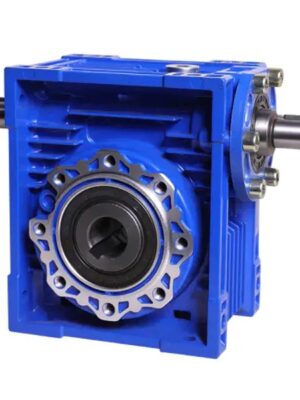
A double worm reduction gearbox is a complex mechanical device that requires regular inspections to ensure its optimal performance and longevity. In this blog post, we will discuss the importance of regular inspections and provide a step-by-step guide on how to perform them effectively.
Why Regular Inspections Are Important
Regular inspections are crucial for maintaining the efficiency and reliability of a double worm reduction gearbox. By identifying and addressing potential issues early on, you can prevent costly breakdowns and extend the lifespan of your gearbox. Here are the key reasons why regular inspections are important:
1. Ensuring Proper Lubrication
Proper lubrication is essential for the smooth operation of a double worm reduction gearbox. During inspections, check the lubricant levels and quality, and ensure that it is evenly distributed throughout the gearbox components. Insufficient or contaminated lubrication can lead to increased friction and wear, resulting in decreased performance and potential damage to the gearbox.
2. Detecting Wear and Tear
During regular inspections, closely examine the gears, bearings, and other components for signs of wear and tear. Look for indications of pitting, chipping, or excessive backlash, as these can negatively impact the gearbox's performance. Identifying and addressing these issues promptly can prevent further damage and improve the overall efficiency of the gearbox.
3. Checking Alignment and Clearance
Proper alignment and clearance are critical for the smooth and efficient operation of a double worm reduction gearbox. During inspections, ensure that the gears are properly aligned and the necessary clearances are maintained. Misalignment or inadequate clearance can lead to increased noise, vibration, and premature failure of the gearbox.
Step-by-Step Guide for Performing Regular Inspections
Follow the steps below to perform regular inspections on a double worm reduction gearbox:
Step 1: Safety First
Prior to inspecting the gearbox, ensure that all power sources are disconnected and the equipment is properly locked out and tagged out to prevent accidental startup.
Step 2: Clean the Gearbox
Thoroughly clean the exterior of the gearbox using a suitable solvent to remove any dirt, debris, or contaminants. This will provide better visibility during the inspection process.
Step 3: Check Lubricant Levels
Inspect the lubricant levels in the gearbox and ensure that they are within the manufacturer's recommended range. If necessary, top up or replace the lubricant following the manufacturer's guidelines.
Step 4: Examine Gears and Bearings
Closely examine the gears and bearings for any signs of wear, pitting, chipping, or abnormal noise. If any issues are detected, consult the manufacturer's guidelines for further inspection or replacement procedures.
Step 5: Inspect Seals and Gaskets
Inspect the seals and gaskets for any signs of leakage or damage. Replace any faulty seals or gaskets to prevent lubricant leakage and potential contamination.
Step 6: Check Alignment and Clearance
Use precision measuring tools to check the alignment and clearance of the gears and other components. Adjust as necessary to ensure proper alignment and clearance according to the manufacturer's specifications.
Step 7: Test the Gearbox
After completing the inspections and necessary adjustments, reconnect the power sources and test the gearbox under normal operating conditions. Monitor its performance for any abnormal vibrations, noises, or temperature changes.
By following these steps and conducting regular inspections, you can ensure the optimal performance and longevity of your double worm reduction gearbox.

Electric Motors for Sale
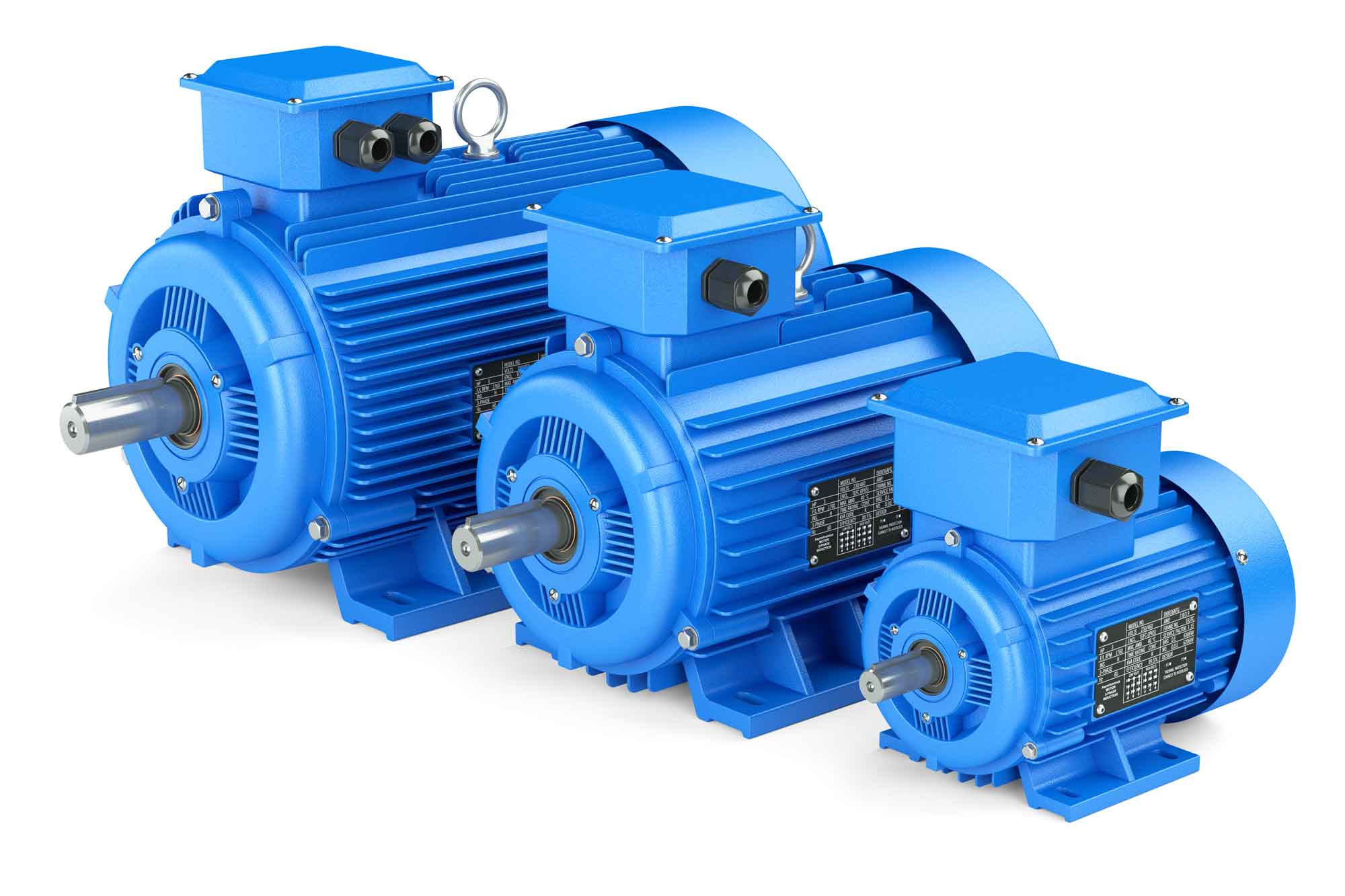
The relationship between a gearbox and an electric motor is symbiotic, with each complementing and relying on the other for efficient operation. The gearbox acts as a speed reducer, converting the high-speed rotation of the motor into a lower speed with higher torque, while the motor provides the necessary power to drive the gearbox. This interdependence is crucial for various applications where precise control and power transmission are required.
At our company, we not only specialize in double worm reduction gearboxes but also offer a range of electric motors for sale. Our electric motors are designed to work seamlessly with our gearboxes, ensuring optimal performance and compatibility. Whether you need a motor for industrial machinery, automation systems, or any other application, we have a wide selection to meet your specific requirements.
About Us
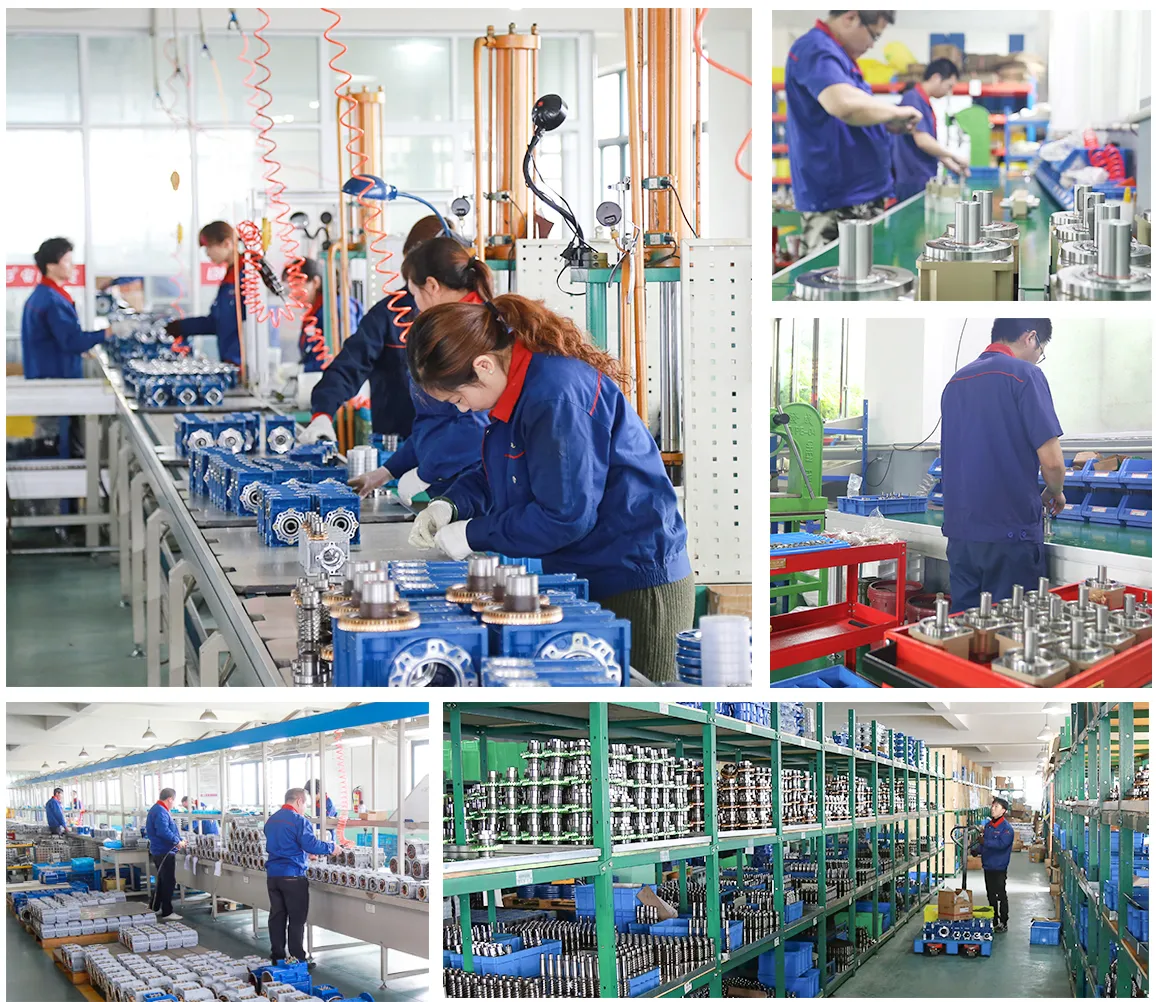
RP Techniek BV is the official sales agent of Ever-power Group in the Netherlands. We are a leading manufacturer of transmission equipment, specializing in the design, production, and sales of high-quality speed reducers. With over 25 years of experience, we have established a strong reputation for delivering top-notch products and services to customers in Europe, America, Africa, Asia, and beyond.
Our state-of-the-art production facilities and skilled professionals enable us to offer innovative solutions and ensure the highest standards of product quality. We strive to provide our customers with energy-efficient and reliable gearboxes at competitive prices. Our gearboxes find applications in a wide range of industries, including equipment manufacturing, food processing, car washing, packaging, automation, solar energy, and more.
At Ever-power, customer satisfaction is our utmost priority. We encourage you to explore our products and contact us for any inquiries or to make a purchase. We are confident that our gearboxes and electric motors will meet your expectations and contribute to the success of your projects.
Q&A
Q: How often should I perform inspections on a double worm reduction gearbox?
A: It is recommended to perform inspections on a double worm reduction gearbox at least once every six months or as specified by the manufacturer.
Q: Can I use any type of lubricant for my gearbox?
A: No, it is crucial to use the lubricants recommended by the gearbox manufacturer to ensure proper performance and longevity.
Q: What are the common signs of gearbox wear?
A: Common signs of gearbox wear include increased noise, vibration, decreased efficiency, and leaks.
Q: Can I replace a damaged gear in a double worm reduction gearbox?
A: In most cases, it is recommended to consult the manufacturer or a professional technician for gear replacement to ensure proper compatibility and performance.
Q: How can I improve the lifespan of my gearbox?
A: Regular inspections, proper lubrication, and addressing any issues promptly can significantly improve the lifespan of a double worm reduction gearbox.
Edited by: Zqq.