
Introduction
Inverted tooth chains are essential components used in various industries for power transmission applications. The quality of these chains plays a crucial role in ensuring the efficiency and reliability of the overall system. This article aims to provide a comprehensive guide on identifying high-quality inverted tooth chains. By understanding the key factors and characteristics to look for, users can make informed decisions and enhance the performance of their machinery.
Table of Contents
- 1. Importance of Material Selection
- 2. Precision Manufacturing Techniques
- 3. Heat Treatment and Surface Coating
- 4. Stress Analysis and Fatigue Life Evaluation
- 5. Quality Control and Testing Procedures
- 6. Application Considerations
- 7. Proper Lubrication and Maintenance
- 8. Silent Chain vs. Roller Chain
- 9. Silent Chain Sprockets for Optimal Performance
- 10. Conclusion
1. Importance of Material Selection
High-quality inverted tooth chains are typically manufactured using advanced materials, such as alloy steels or stainless steels. These materials offer superior strength, durability, and resistance to wear and corrosion, ensuring a longer chain life and improved performance in demanding applications.
2. Precision Manufacturing Techniques
The manufacturing process plays a critical role in producing high-quality inverted tooth chains. Advanced precision techniques, including CNC machining and grinding, are employed to achieve tight tolerances, accurate tooth profiles, and smooth surfaces, ensuring optimal chain engagement and reduced friction.
3. Heat Treatment and Surface Coating
Heat treatment is a crucial step in enhancing the mechanical properties of inverted tooth chains. Through processes like carburizing and quenching, the chains attain improved hardness and wear resistance. Additionally, surface coatings such as nitriding or PVD coatings can provide further protection against wear and corrosion.
4. Stress Analysis and Fatigue Life Evaluation
To ensure the reliability and long service life of inverted tooth chains, stress analysis and fatigue life evaluation are essential. These processes involve rigorous testing and simulations to understand the chain's performance under different loads and operating conditions, allowing manufacturers to optimize the design and identify potential weaknesses.
5. Quality Control and Testing Procedures
Strict quality control measures are implemented throughout the manufacturing process to ensure consistent quality and performance of inverted tooth chains. Comprehensive testing procedures, including dimensional checks, hardness testing, and fatigue testing, are conducted to verify the chains' adherence to industry standards and specifications.
6. Application Considerations
When identifying high-quality inverted tooth chains, it is crucial to consider the specific application requirements. Factors such as load capacity, operating speed, environmental conditions, and noise levels should be taken into account to select the most suitable chain design and materials for optimal performance.
7. Proper Lubrication and Maintenance
Proper lubrication and regular maintenance are vital for maximizing the performance and lifespan of inverted tooth chains. Adequate lubrication reduces friction and wear, while routine inspections help identify any potential issues or signs of wear, allowing for timely repairs or replacements.
8. Silent Chain vs. Roller Chain
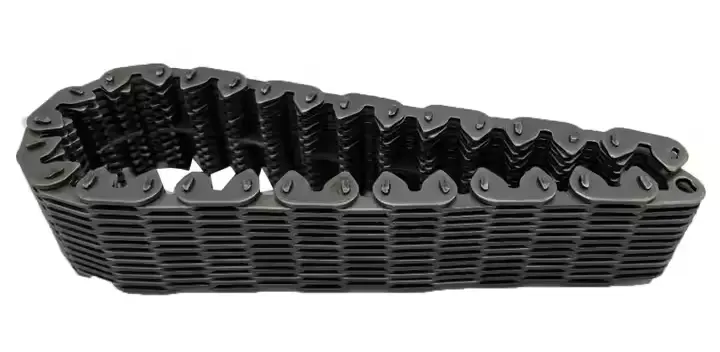
Compared to traditional roller chains, silent chains offer several advantages, such as higher power transmission capability, reduced noise levels, and smoother operation. The unique design of inverted tooth chains allows for increased contact area and improved load distribution, resulting in enhanced performance and reduced wear.
9. Silent Chain Sprockets for Optimal Performance
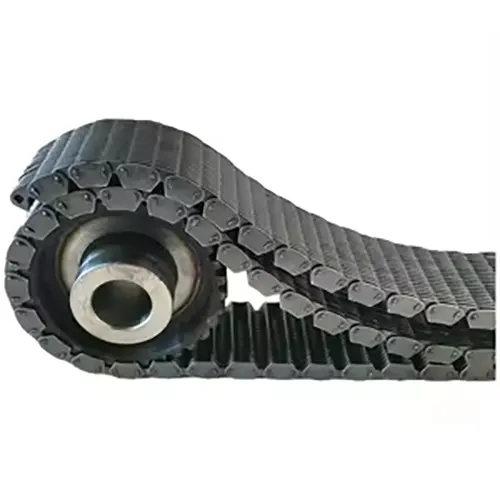
Silent chain sprockets are designed specifically to complement the performance of inverted tooth chains. These sprockets feature precise tooth profiles and a smooth surface finish to ensure accurate chain engagement and minimize noise and vibration. By selecting high-quality silent chain sprockets, users can maximize the efficiency and longevity of their chain drives.
Sprockets for Silent Chains
The relationship between silent chain sprockets and inverted tooth chains is crucial for optimal power transmission. Silent chain sprockets provide accurate tooth profiles that match the chain's unique design, ensuring smooth engagement and efficient energy transfer. These sprockets play a vital role in minimizing wear, noise, and vibrations, thus enhancing the overall performance and reliability of the chain drive system.
About Us
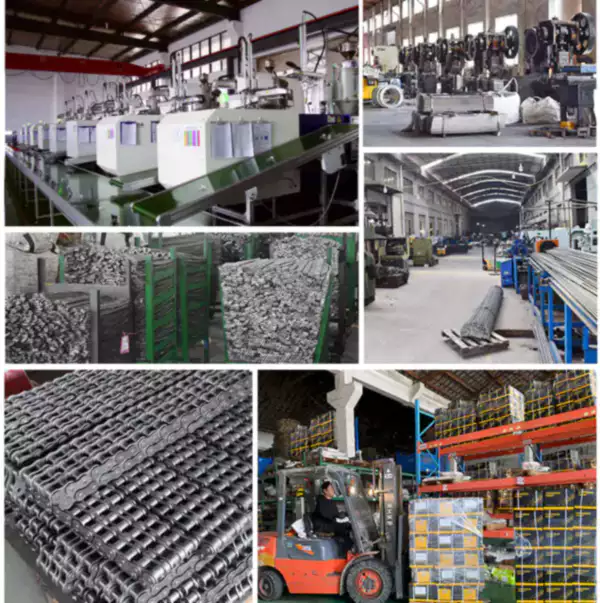
RP Techniek BV is the Netherlands sales agent of Ever-power Group. We are a leading supplier of silent chains, providing high-quality products to various industries. With over 90% of our products exported to markets such as the United States, Canada, Japan, Korea, Brazil, and Australia, we are dedicated to offering competitive prices and excellent customer service.
Q&A
Q: What are the common applications of inverted tooth chains?
A: Inverted tooth chains find wide applications in industries such as automotive, packaging, printing, and food processing. They are commonly used in power transmission systems, conveyors, and other machinery where high precision and reliability are essential.
Q: How can I determine the appropriate size of an inverted tooth chain for my application?
A: The size of an inverted tooth chain is determined based on factors like the required power transmission capacity, speed, and space limitations. Consulting the manufacturer's specifications and seeking expert advice can help in selecting the correct chain size.
Q: What are the benefits of using advanced materials for inverted tooth chains?
A: Advanced materials offer improved strength, durability, and resistance to wear and corrosion. These benefits result in longer chain life, reduced maintenance needs, and enhanced overall performance in demanding applications.
Q: Can inverted tooth chains be used in high-speed applications?
A: Yes, inverted tooth chains can be used in high-speed applications. However, it is crucial to consider factors such as chain design, material selection, and lubrication to ensure safe and reliable operation at high speeds.
Q: How often should I lubricate inverted tooth chains?
A: Lubrication requirements may vary depending on the operating conditions and the manufacturer's recommendations. Regular lubrication intervals, typically ranging from weekly to monthly, should be followed to maintain optimal chain performance.
Edited by: Zqq.