Introduction
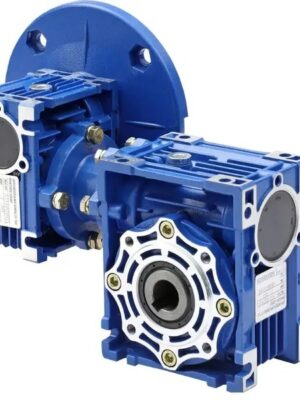
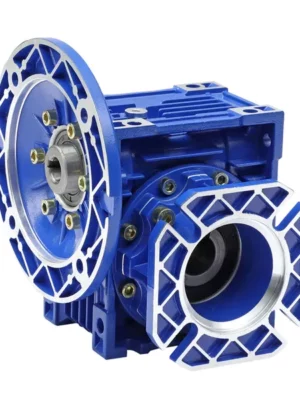
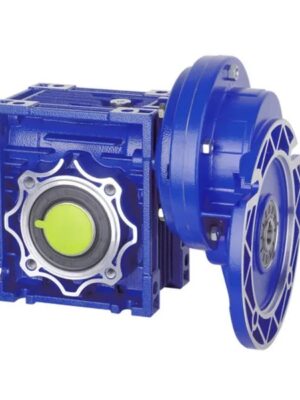
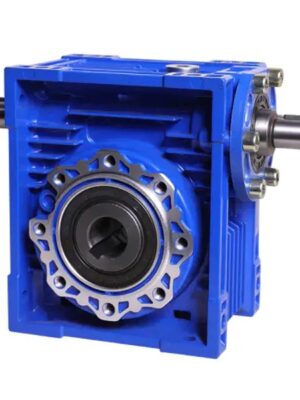
A double worm reduction gearbox is a crucial component in various industrial applications. To ensure its optimal performance and longevity, conducting a vibration analysis is essential. This article will provide a comprehensive guide on how to conduct a vibration analysis on a double worm reduction gearbox.
Understanding Vibration Analysis
In order to effectively analyze the vibration of a double worm reduction gearbox, it is important to first understand the basics of vibration analysis. Vibration analysis is the process of measuring and analyzing the vibrations of a mechanical system to identify any potential issues or abnormalities.
Importance of Vibration Analysis
Vibration analysis is crucial in maintaining the performance and reliability of a double worm reduction gearbox. By monitoring and analyzing the vibrations, it is possible to detect early signs of wear, misalignment, or other mechanical problems. This proactive approach allows for timely maintenance and prevents costly breakdowns or failures.
Steps to Conduct a Vibration Analysis
Step 1: Preparation
Before conducting a vibration analysis, it is important to ensure proper preparation. This includes gathering the necessary tools and equipment, such as a vibration analyzer, accelerometers, and data acquisition software. Additionally, the gearbox should be in a stable and operational condition.
Step 2: Baseline Measurement
Start by taking a baseline measurement of the vibration levels of the double worm reduction gearbox. This provides a reference point for future comparisons and helps to establish normal operating conditions.
Step 3: Data Collection
Collect vibration data from various points on the gearbox using accelerometers. Ensure that the data is collected across different operating conditions, such as different speeds or loads. This comprehensive data collection helps to identify any specific areas of concern.
Step 4: Data Analysis
Analyze the collected vibration data using specialized software. Look for patterns, frequencies, and amplitudes that indicate potential issues. Common indicators of problems include high vibration levels, unusual frequencies, or excessive noise.
Step 5: Interpretation and Action
Interpret the analyzed data and determine the appropriate action to rectify any identified issues. This may involve realigning components, replacing worn parts, or performing maintenance procedures. Regular monitoring and analysis will ensure the long-term health of the double worm reduction gearbox.
Electric Motors for Sale
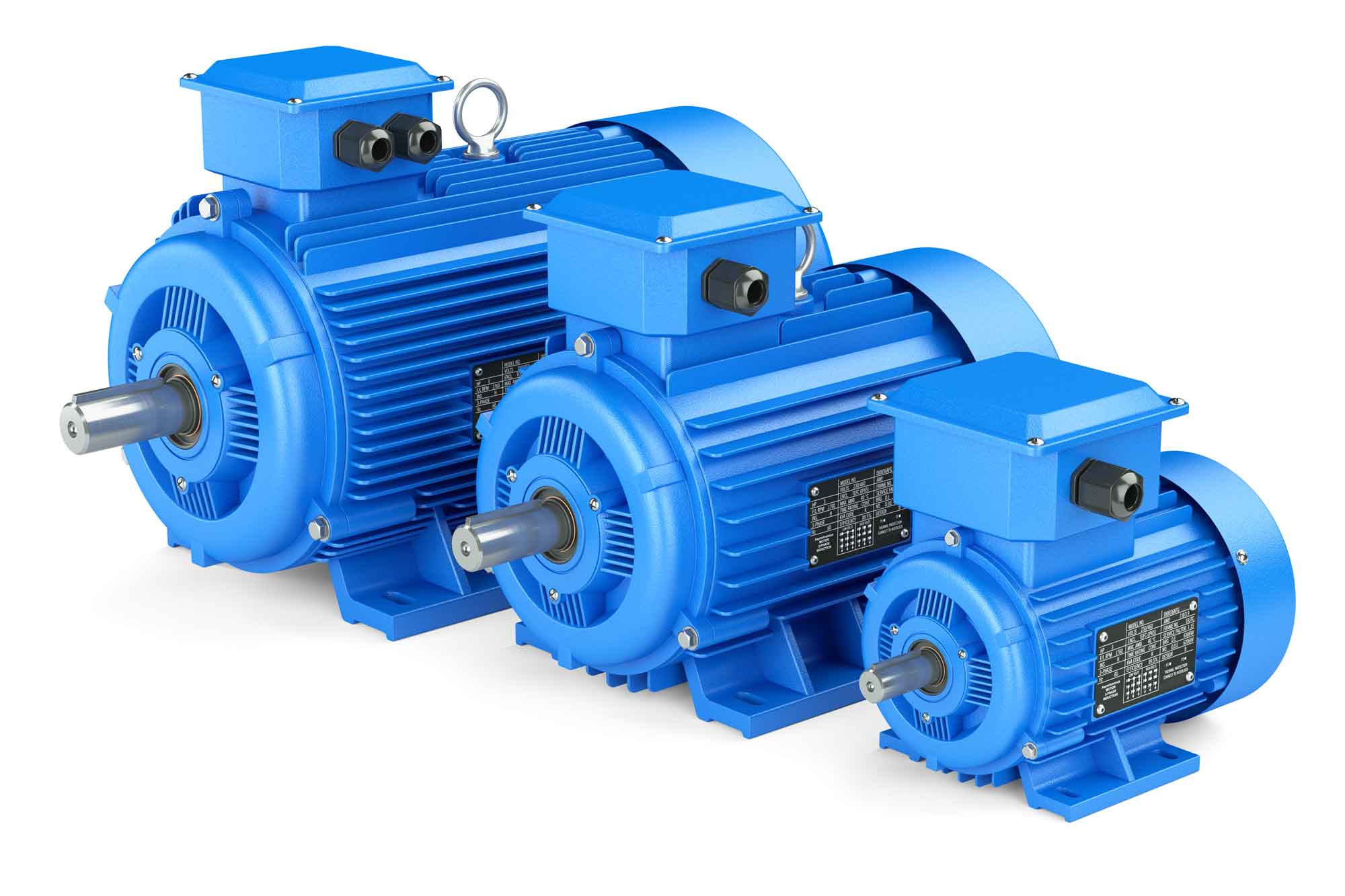
A double worm reduction gearbox is an integral part of an electric motor system. The gearbox and motor work together to provide efficient power transmission and control. The gearbox optimizes the output speed and torque, while the motor converts electrical energy into mechanical energy. At our company, we offer a wide range of high-quality electric motors for sale that are perfectly matched with our double worm reduction gearboxes.
About Us
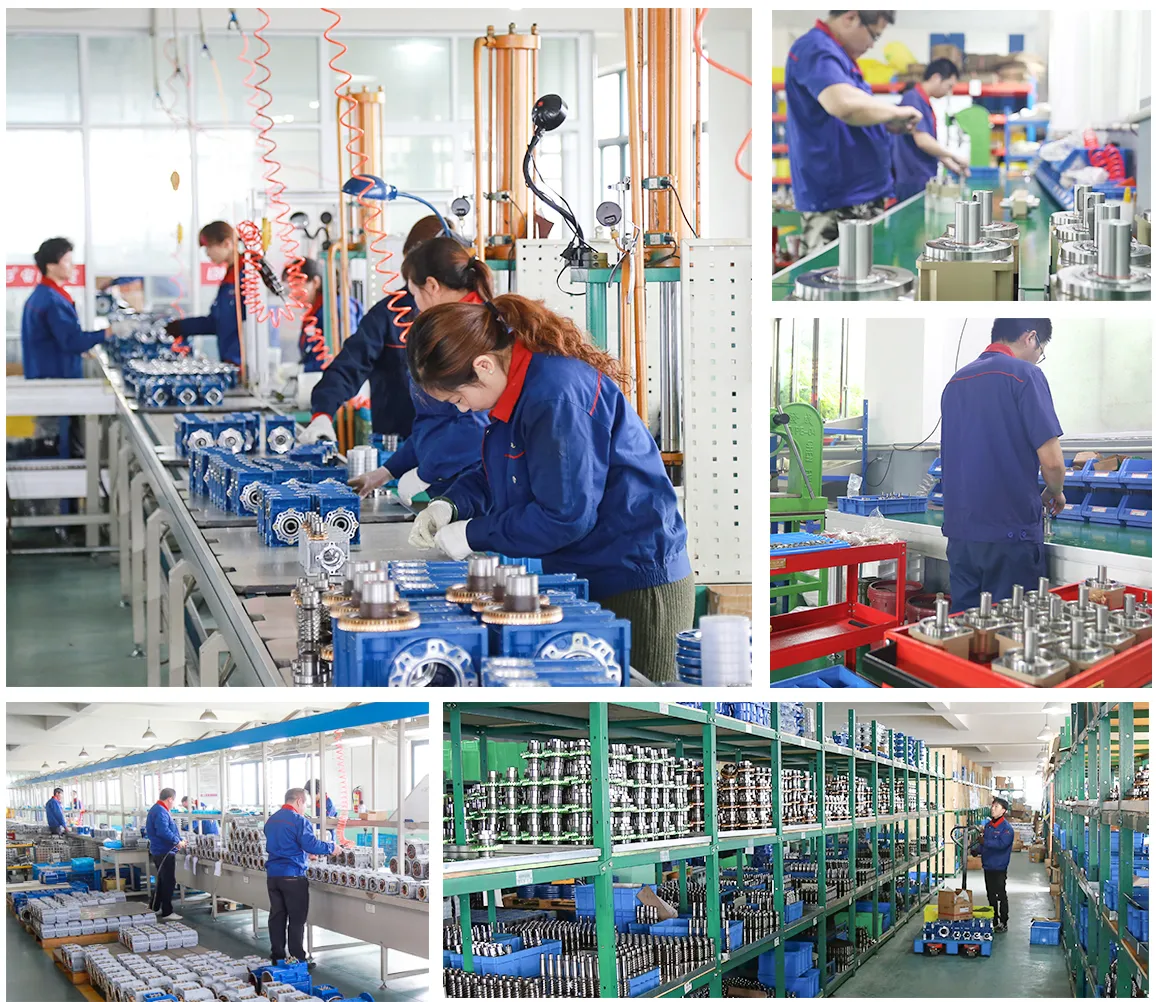
RP Techniek BV is the Netherlands sales agent for the Ever-power Group. We specialize in the production of double worm reduction gearboxes and have a strong manufacturing capability. Our products are highly regarded by customers in Europe, America, and other regions due to their superior quality, competitive pricing, and excellent service. With over 25 years of experience, we have become a trusted provider of transmission equipment, catering to various industries such as equipment, food, packaging, and solar energy.
Q&A
Q1: What are the common causes of vibration in a double worm reduction gearbox?
A1: Common causes of vibration in a double worm reduction gearbox include misalignment, unbalanced loads, worn gears, and faulty bearings.
Q2: How often should a vibration analysis be conducted on a double worm reduction gearbox?
A2: It is recommended to conduct a vibration analysis on a regular basis, ideally at least once every six months, to ensure early detection of any potential issues.
Q3: Can vibration analysis help in predicting the remaining lifespan of a double worm reduction gearbox?
A3: While vibration analysis can provide valuable insights into the condition of a gearbox, predicting the exact remaining lifespan is challenging. However, regular analysis can help identify signs of wear or deterioration that may affect the gearbox's future performance.
Q4: What are the benefits of proactive maintenance based on vibration analysis?
A4: Proactive maintenance based on vibration analysis allows for timely identification and rectification of potential issues before they lead to costly breakdowns or failures. This approach increases the lifespan of the gearbox, reduces downtime, and improves overall operational efficiency.
Q5: Can vibration analysis be used on other types of gearboxes?
A5: Yes, vibration analysis is applicable to various types of gearboxes, including helical, bevel, and planetary gearboxes. It is a versatile technique for monitoring and maintaining the health of mechanical systems.
Edited by: Zqq.