

Double worm reduction gearboxes are essential components in many industrial machines. Their main function is to reduce the speed of the input power source and increase the torque output. One of the critical factors that determine the efficiency of these gearboxes is the gear teeth design. In this article, we will discuss the importance of gear teeth design in double worm reduction gearboxes.
Introduction to Double Worm Reduction Gearboxes
Double worm reduction gearboxes are designed to transmit power between perpendicular shafts. They are compact, efficient, and provide high torque. The gearbox consists of two main components, the worm gear and the worm wheel. The worm gear is the input component, and the worm wheel is the output component.
The worm gear has a helical screw-like structure, while the worm wheel looks like a twisted spur gear. The worm gear's rotations cause the worm wheel to rotate, thus reducing the speed and increasing the torque output.
The Importance of Gear Teeth Design
Gear Ratios
The gear ratio is the ratio of the number of teeth between two gears. In double worm reduction gearboxes, the gear ratio determines the speed reduction and torque multiplication. The gear teeth design should allow for precise calculation of the gear ratio to ensure optimal gearbox performance.
Contact Ratio
The contact ratio is the ratio of the number of teeth in contact between two gears at any given time. In double worm reduction gearboxes, the contact ratio determines the load-carrying capacity and the noise level of the gearbox. The gear teeth design should allow for a high contact ratio to increase the load-carrying capacity and reduce the noise level.
Pressure Angle
The pressure angle is the angle between the line of action and the tangent to the pitch circle of a gear. In double worm reduction gearboxes, the pressure angle determines the efficiency and the tooth strength of the gearbox. The gear teeth design should allow for a high-pressure angle to increase the efficiency and tooth strength of the gearbox.
Tooth Profile
The tooth profile is the shape of the gear teeth. In double worm reduction gearboxes, the tooth profile determines the load-carrying capacity, the noise level, and the efficiency of the gearbox. The gear teeth design should allow for an optimal tooth profile to ensure optimal gearbox performance.
Conclusion
The gear teeth design is a critical factor in double worm reduction gearbox performance. The gear ratios, contact ratio, pressure angle, and tooth profile all play a crucial role in determining gearbox efficiency, load-carrying capacity, noise level, and tooth strength. Engineers must consider these factors when designing double worm reduction gearboxes to ensure optimal gearbox performance.


Electric Motors for Sale
Double worm reduction gearboxes are often used in conjunction with electric motors. The combination of the two components is essential in many industrial applications. At RP Techniek BV, we provide both double worm reduction gearboxes and electric motors for sale.
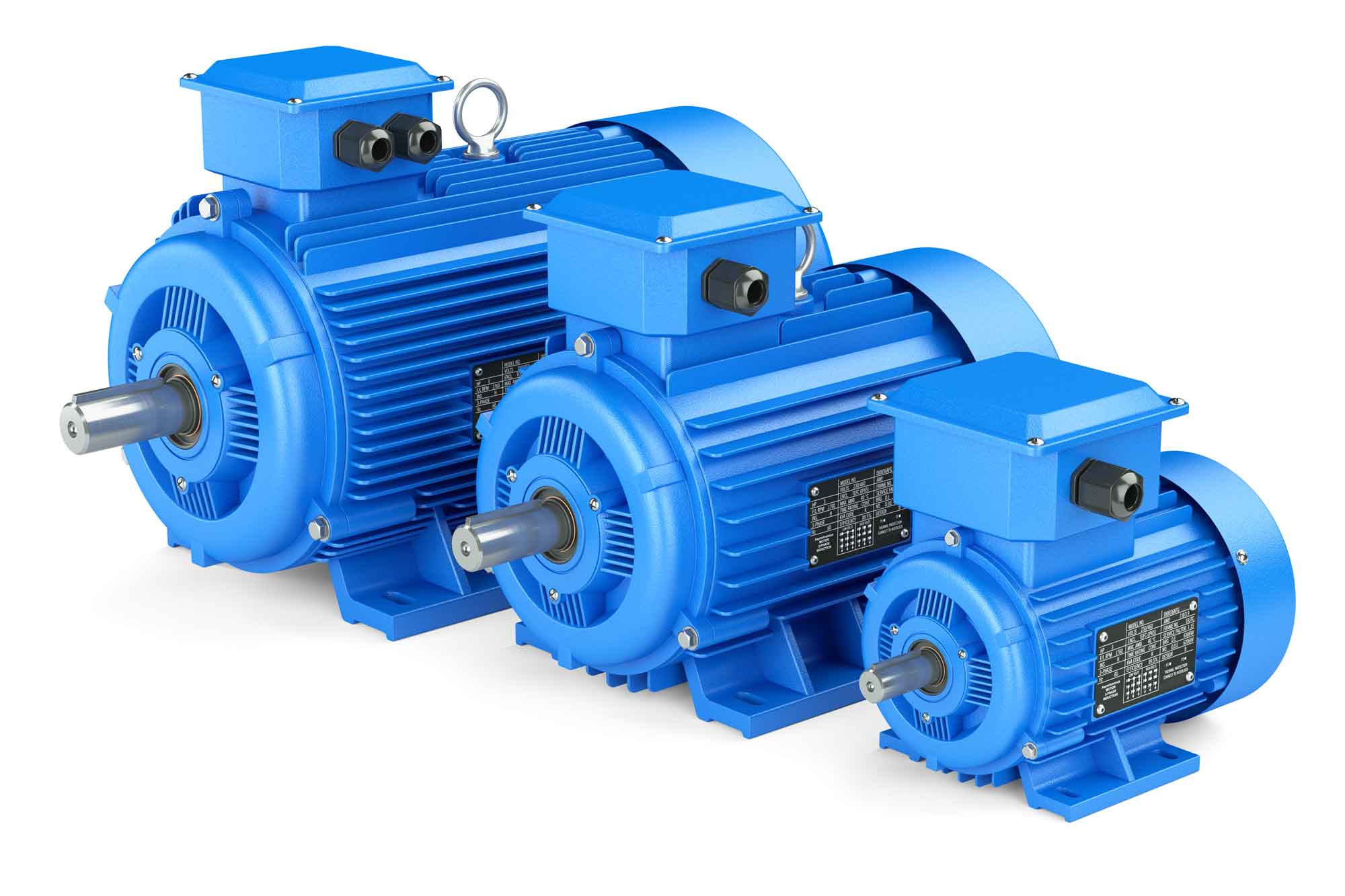

The gearbox and electric motor work together to provide reliable and efficient power transmission. Our high-quality products are designed to meet the needs of various industries, including equipment industry, food industry, car washing industry, packaging industry, transmission industry, automation industry, solar energy industry, and more. Contact us today to explore our products and take advantage of our competitive prices.

About Us
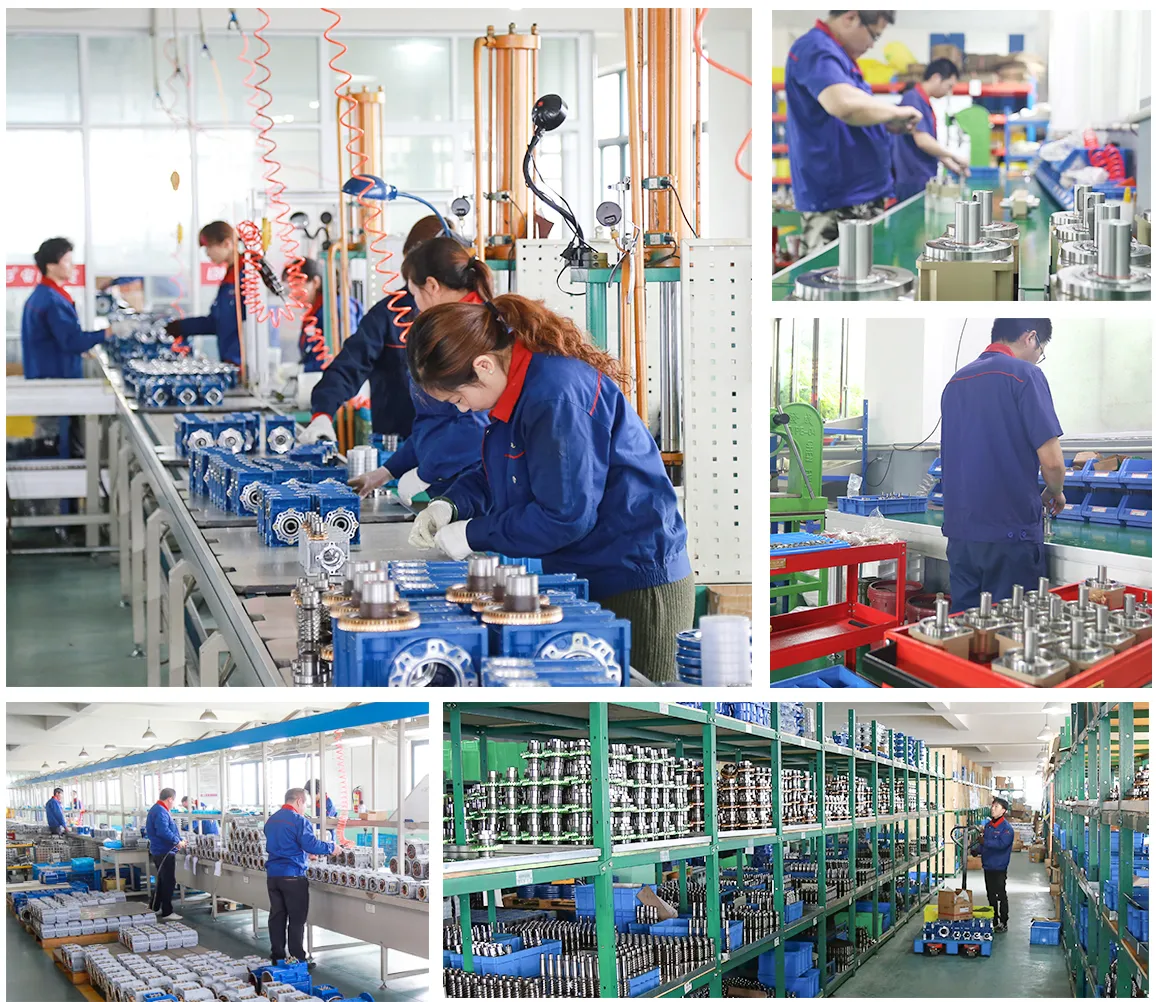
RP Techniek BV is the Netherlands sales agent of the Ever-power Group. We specialize in the design, manufacture, and sales of transmission equipment, including double worm reduction gearboxes and electric motors. Our products are designed to provide reliable and efficient power transmission in various industries.
With over 25 years of experience, we have established a reputation for providing high-quality products, excellent service, and competitive prices. Our production facility is equipped with advanced equipment and employs industry professionals and technicians to carry out innovative research and development and manufacturing. We use standardized production management methods to ensure the highest quality products for our customers.
Q&A
Q1: What is the maximum gear ratio of a double worm reduction gearbox?
A1: The maximum gear ratio of a double worm reduction gearbox is typically around 60:1.
Q2: What factors determine the efficiency of a double worm reduction gearbox?
A2: The gear ratios, contact ratio, pressure angle, and tooth profile all play a crucial role in determining the efficiency of a double worm reduction gearbox.
Q3: What is the contact ratio, and why is it important?
A3: The contact ratio is the ratio of the number of teeth in contact between two gears at any given time. It is important because it determines the load-carrying capacity and the noise level of the gearbox.
Q4: What is the advantage of using an electric motor with a double worm reduction gearbox?
A4: The combination of an electric motor and a double worm reduction gearbox provides reliable and efficient power transmission in many industrial applications.
Q5: What industries use double worm reduction gearboxes?
A5: Double worm reduction gearboxes are used in various industries, including equipment industry, food industry, car washing industry, packaging industry, transmission industry, automation industry, solar energy industry, and more.
Edited by: Zqq.