
Introduction
Aligning inverted tooth silent chains correctly in machinery is crucial to ensure optimal performance and longevity of the system. In this article, we will discuss the step-by-step process of aligning these chains and highlight the importance of proper alignment in machinery.
1. Understanding Inverted Tooth Silent Chains
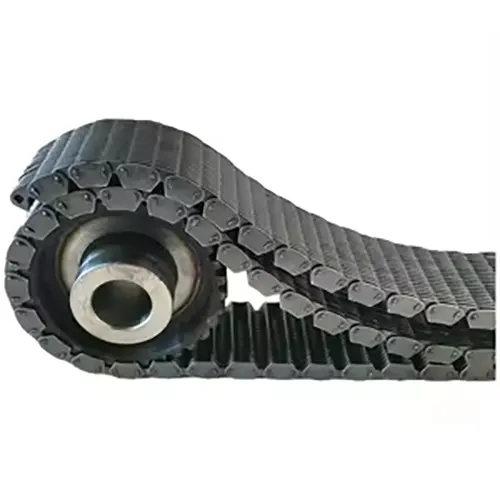
Inverted tooth silent chains, also known as silent chains or inverted tooth chains, are a type of power transmission chain commonly used in machinery. These chains consist of specially designed links with inverted teeth, which engage with toothed sprockets to transmit power efficiently and quietly.
2. Importance of Correct Alignment
Proper alignment of inverted tooth silent chains is essential for several reasons:
- 1. Optimal Power Transmission: Correct alignment ensures that the chain engages smoothly with the sprockets, allowing for efficient power transmission.
- 2. Noise Reduction: When the chain is aligned correctly, it operates quietly, minimizing noise levels in the machinery.
- 3. Reduced Wear and Tear: Misalignment can cause excessive wear on the chain and sprockets, leading to premature failure and increased maintenance costs.
- 4. Extended Chain Life: Proper alignment helps distribute the load evenly across the chain, preventing premature fatigue and increasing its overall lifespan.
3. Steps to Align Inverted Tooth Silent Chains
Aligning inverted tooth silent chains correctly requires careful attention to detail. Follow these steps to ensure accurate alignment:
Step 1: Inspection
Inspect the chain and sprockets for any signs of wear, damage, or debris. Clean them thoroughly before proceeding to the alignment process.
Step 2: Initial Alignment
Position the chain and sprockets approximately in line with each other. This initial alignment will serve as a starting point for the fine adjustment process.
Step 3: Fine Adjustment
Use precision tools to make small adjustments to the chain and sprockets' position until they are perfectly aligned. Pay attention to both horizontal and vertical alignment.
Step 4: Locking
Once the correct alignment is achieved, secure the chain and sprockets in place using appropriate locking mechanisms or tensioning devices.
Step 5: Test Run
After alignment and locking, perform a test run to ensure smooth operation and proper engagement between the chain and sprockets. Make any necessary adjustments if issues arise.
4. Sprockets for Silent Chains
Silent chain sprockets play a crucial role in the proper functioning of inverted tooth chains. These sprockets have specially designed teeth that interlock with the chain's inverted teeth, allowing for efficient power transmission. The relationship between silent chain sprockets and inverted tooth chains is complementary and highly interdependent.
Properly aligned and well-maintained sprockets ensure the smooth engagement of inverted tooth chains, minimizing noise, reducing wear, and prolonging the chain's life. At our company, we offer a wide range of high-quality silent chain sprockets for various machinery applications.
About Us
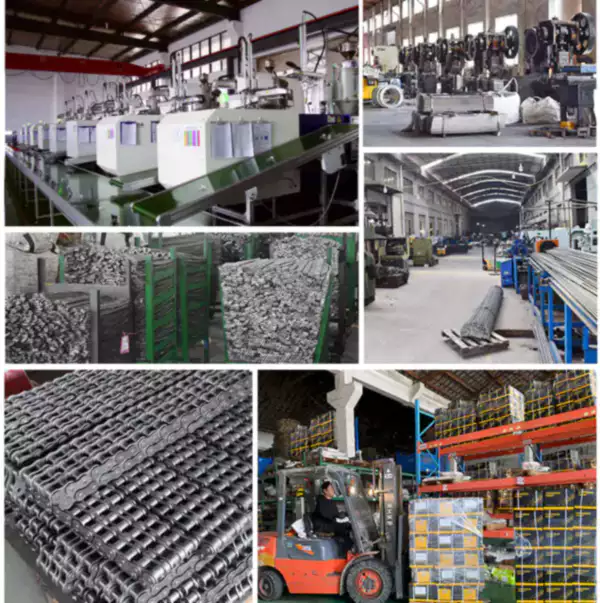
RP Techniek BV is the Dutch sales representative of Ever-power Group, a leading supplier of power transmission chains. Our company specializes in providing high-quality silent chains to meet various industrial needs. With over 90% of our products exported to markets such as the United States, Canada, Japan, South Korea, Brazil, and Australia, we are committed to offering competitive prices and excellent customer service.
Q&A – Frequently Asked Questions
Q1: How often should inverted tooth silent chains be aligned?
A1: It is recommended to align inverted tooth silent chains during regular maintenance intervals or whenever signs of misalignment are observed.
Q2: What are the common causes of chain misalignment?
A2: Chain misalignment can be caused by improper installation, worn sprockets, excessive chain tension, or machinery vibrations.
Q3: Can misaligned chains and sprockets lead to system failure?
A3: Yes, misalignment can result in premature chain and sprocket wear, increased noise levels, decreased power transmission efficiency, and ultimately system failure.
Q4: Is professional assistance required for chain alignment?
A4: While basic alignment can be done by following proper procedures, complex machinery may require the expertise of professionals to ensure accurate and precise alignment.
Q5: How can misalignment be detected?
A5: Signs of misalignment include unusual noise, excessive chain and sprocket wear, chain skipping, and decreased overall system performance.
Edited by: Zqq.