Introduction
When it comes to heavy-duty applications, the selection of the right gearbox is crucial. The gearbox is responsible for transmitting power from the motor to the driven machine. Therefore, it plays a vital role in the overall efficiency and performance of the system. In this article, we will discuss how to identify the right gearbox for heavy-duty applications.
Understanding Gearbox Basics
Before we dive into the specifics of selecting gearboxes for heavy-duty applications, it is essential to understand the basics of gearboxes. Gearboxes are mechanical devices that transmit power from a prime mover (e.g., motor) to a driven machine by changing the torque and speed of the input. They contain gears, shafts, bearings, and housing.
Factors to Consider When Selecting Gearbox
Load
The load is a critical factor in selecting a gearbox for heavy-duty applications. The gearbox should be able to handle the maximum load that the machine will experience during its operation. The load can be calculated by considering factors such as the weight of the machine, the force it generates, and the speed at which it operates.
Ratio
The gearbox ratio determines the output speed and torque of the system. The ratio is the number of teeth on the output gear divided by the number of teeth on the input gear. The appropriate ratio should be selected based on the load and speed requirements of the machine.
Efficiency
The gearbox efficiency is the ratio of the output power to the input power. It is crucial to select a gearbox with high efficiency to minimize power losses and maximize the overall efficiency of the system.
Mounting
The mounting position of the gearbox is another critical factor to consider. The gearbox should be mounted in a position that provides easy access for maintenance and repair and allows efficient heat dissipation.
Environment
The environment in which the gearbox operates is also a crucial factor to consider. The gearbox should be able to withstand the operating conditions such as temperature, humidity, and dust. It is essential to select a gearbox with appropriate sealing and coating to protect it from the environment.
Types of Gearboxes
Helical Gearbox
The helical gearbox is the most common type of gearbox used in heavy-duty applications. It has helical gears that transmit power smoothly and quietly. The helical gearbox has high efficiency and can handle high loads.
Planetary Gearbox
The planetary gearbox has several planet gears that rotate around the central sun gear. It has a compact design and can handle high torque. The planetary gearbox is commonly used in applications such as robotics and automation.
Worm Gearbox
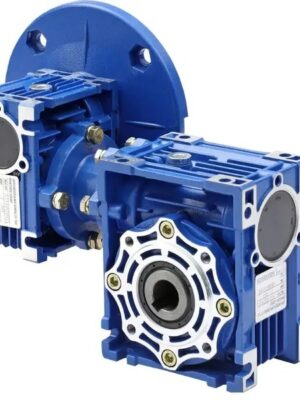
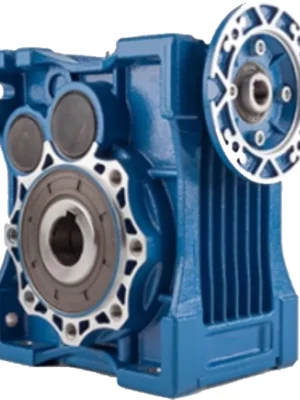
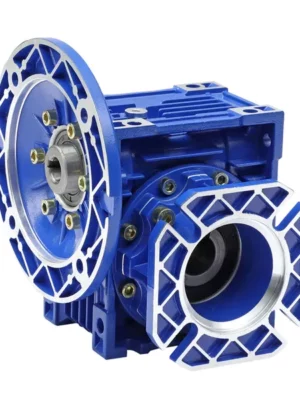
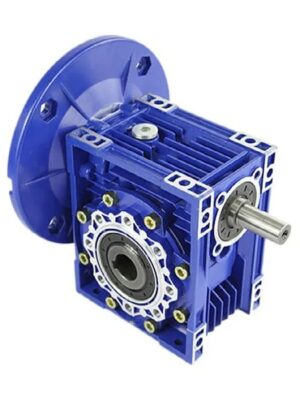
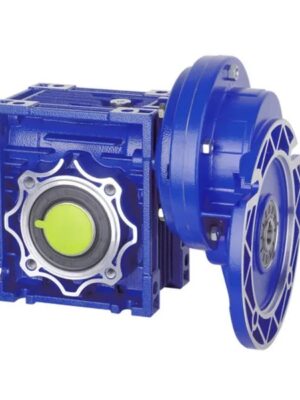
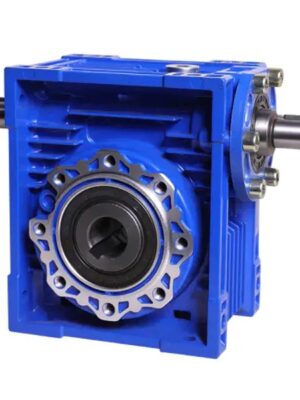
The worm gearbox has a worm gear that transmits power to the driven machine. It has a compact design and high reduction ratio. The worm gearbox is commonly used in applications such as conveyor systems and lifting equipment.

How to Choose the Right Gearbox?
Choosing the right gearbox for heavy-duty applications can be a daunting task. Here are some steps to follow:
Step 1: Identify the Load
Identify the maximum load that the machine will experience during its operation. This includes the weight of the machine, the force it generates, and the speed at which it operates.
Step 2: Determine the Speed and Torque Requirements
Determine the speed and torque requirements of the machine. This includes the desired output speed and torque.
Step 3: Calculate the Gear Ratio
Calculate the gear ratio required to achieve the desired output speed and torque. This can be done by dividing the number of teeth on the output gear by the number of teeth on the input gear.
Step 4: Select the Gearbox Type
Select the gearbox type that is suitable for the application based on the load, speed, and torque requirements. Consider factors such as efficiency, mounting position, and environment.
Electric Motors for Sale
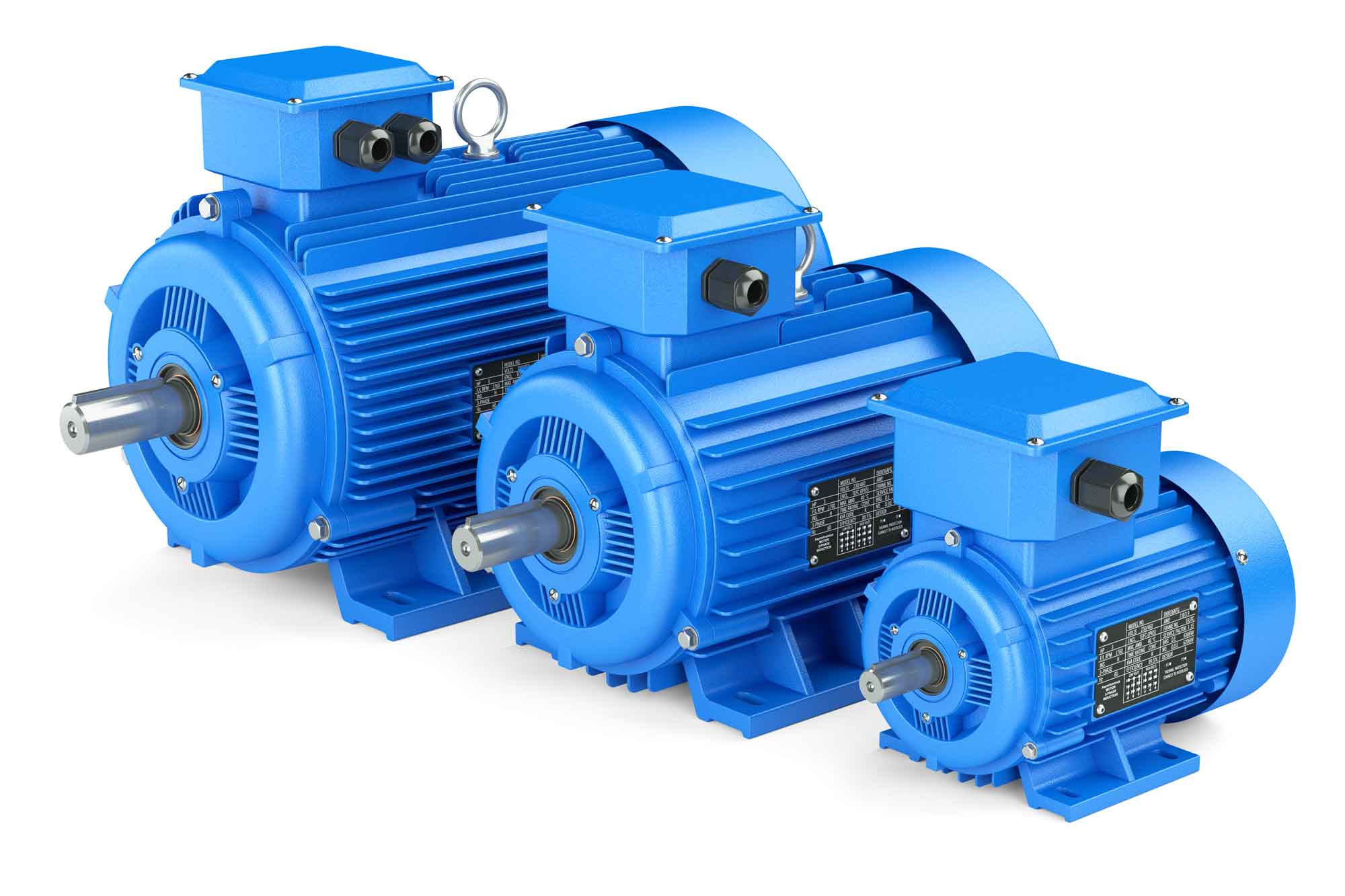
Electric motors and gearboxes are complementary components in heavy-duty applications. The motor provides the power, and the gearbox transmits it to the driven machine. It is essential to select the right motor and gearbox combination to ensure optimal performance and efficiency of the system. At RP Techniek BV, we not only provide high-quality gearboxes but also offer a range of electric motors for sale.
About Us
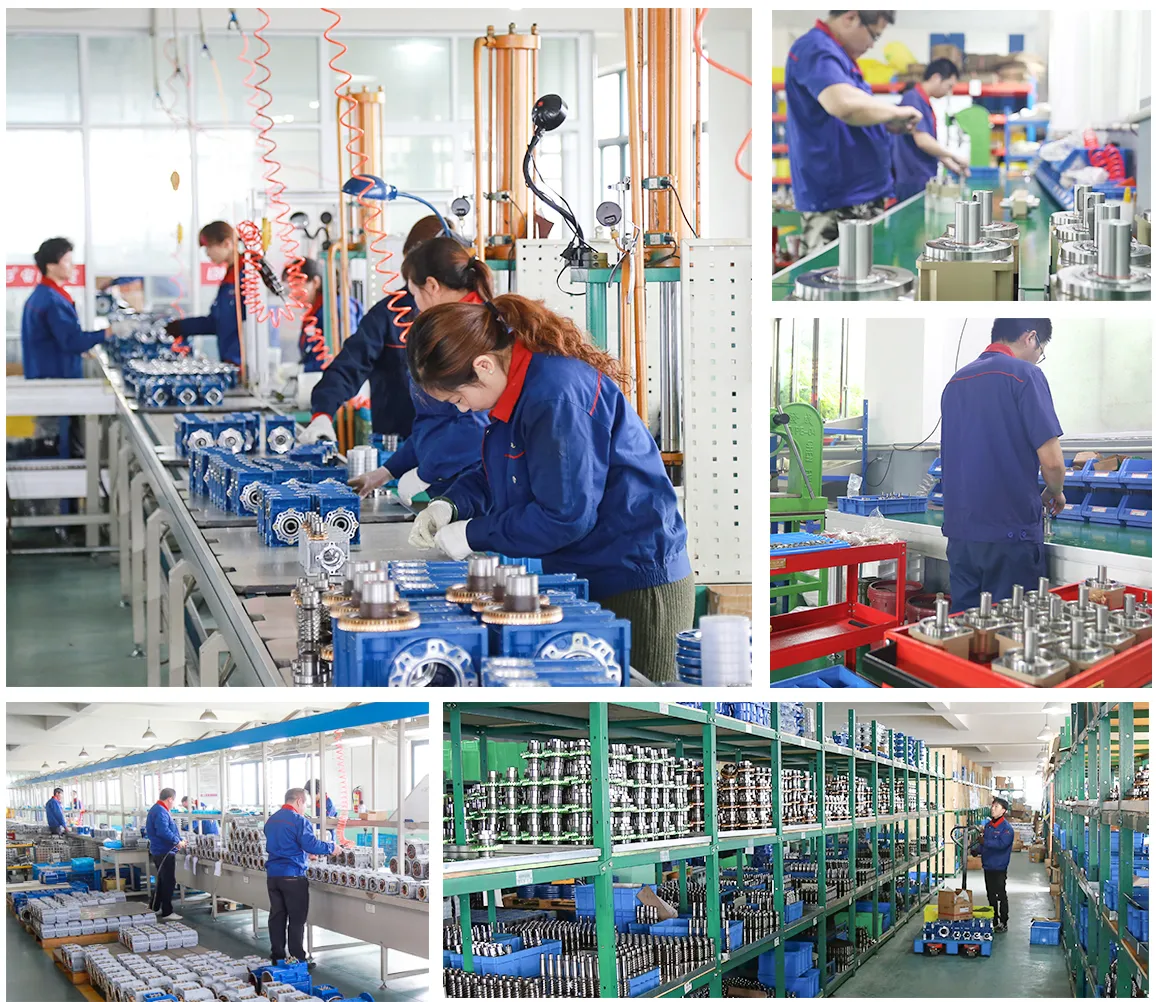
RP Techniek BV is the Netherlands sales agent of the Ever-power Group, a comprehensive transmission equipment manufacturer. We specialize in the design, production, manufacture, and sales of gearboxes and other transmission equipment. Our gearboxes are widely used in various industries such as the equipment industry, food industry, car washing industry, packaging industry, transmission industry, automation industry, and solar energy industry. We have more than 25 years of experience in the industry and have earned a reputation for providing high-quality products and services at competitive prices. Our production facility is equipped with advanced equipment and technology to ensure the highest quality of products.
Q&A
Q1: What is a gearbox?
A gearbox is a mechanical device that transmits power from a prime mover (e.g., motor) to a driven machine by changing the torque and speed of the input.
Q2: Why is the selection of the right gearbox crucial?
The selection of the right gearbox is crucial because it plays a vital role in the overall efficiency and performance of the system. It is responsible for transmitting power from the motor to the driven machine.
Q3: What factors should be considered when selecting a gearbox?
Factors such as load, ratio, efficiency, mounting, and environment should be considered when selecting a gearbox.
Q4: What are the types of gearboxes?
The types of gearboxes include helical, planetary, and worm gearboxes.
Q5: Why is it essential to select the right motor and gearbox combination?
It is essential to select the right motor and gearbox combination to ensure optimal performance and efficiency of the system. The motor provides the power, and the gearbox transmits it to the driven machine.
Edited by: Zqq.