Introduction
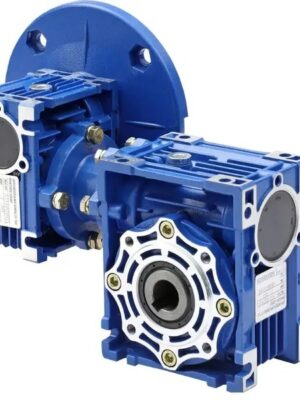
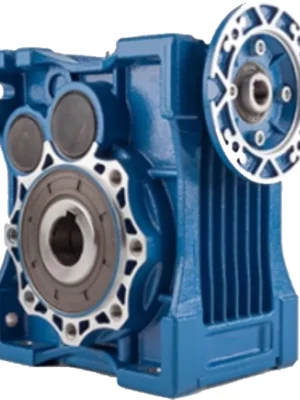
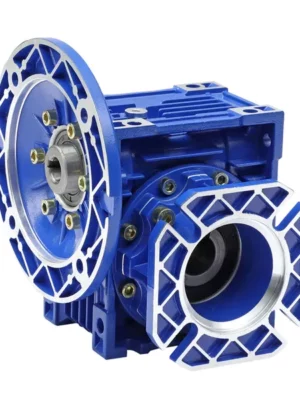
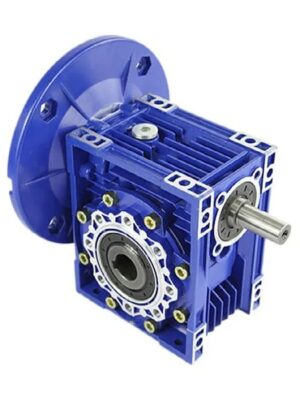
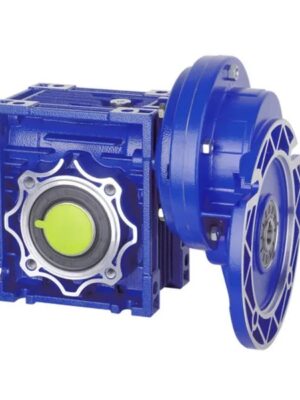
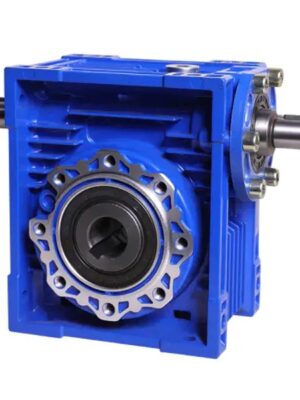
A double worm reduction gearbox is a mechanical device that is used to reduce the speed of an electric motor. It is commonly used in industries such as food, packaging, and automation. Load testing is an essential part of the quality control process for these gearboxes. In this article, we will discuss how load testing is carried out on a double worm reduction gearbox.
What is a Double Worm Reduction Gearbox?
A double worm reduction gearbox is a type of gearbox that consists of two worm gears and a set of reduction gears. The purpose of the double worm gearbox is to reduce the speed of the input shaft while increasing the torque. This is achieved by the two worm gears that mesh with each other, which in turn drive the reduction gears. The reduction gears are designed to increase the torque output while reducing the speed of the output shaft.
Load Testing Procedure
The load testing procedure for a double worm reduction gearbox involves applying a load to the output shaft while the gearbox is running. This is done to test the gearbox's ability to handle the rated load capacity. Load testing is typically carried out in a controlled environment, such as a testing laboratory.
Step 1: Preparation
The first step in load testing a double worm reduction gearbox is to prepare the gearbox for testing. This involves mounting the gearbox onto a test bench and connecting it to an electric motor. The motor should be capable of providing power to the gearbox at its rated output power and speed.
Step 2: Application of Load
Once the gearbox is mounted and connected to the motor, a load is applied to the output shaft of the gearbox. The load should be gradually increased until it reaches the gearbox's rated load capacity. The gearbox should be run at the rated speed for a specified time while the load is applied.
Step 3: Monitoring
During the load test, the gearbox should be closely monitored for any signs of failure or abnormal behavior. This includes checking the gearbox's temperature, vibration, and noise levels. Any anomalies should be noted and investigated to determine the cause.
Step 4: Analysis of Results
Once the load test is complete, the results should be analyzed to determine whether the gearbox has passed or failed the test. If the gearbox has passed the test, it can be certified for use. If the gearbox has failed the test, further investigation is required to identify the cause of the failure.
The Importance of Load Testing
Load testing is an essential part of the quality control process for double worm reduction gearboxes. It ensures that the gearbox can handle the rated load capacity and is safe for use in industrial applications. Load testing also helps to identify any design flaws or manufacturing defects before the gearbox is put into service.
Electric Motors for Sale
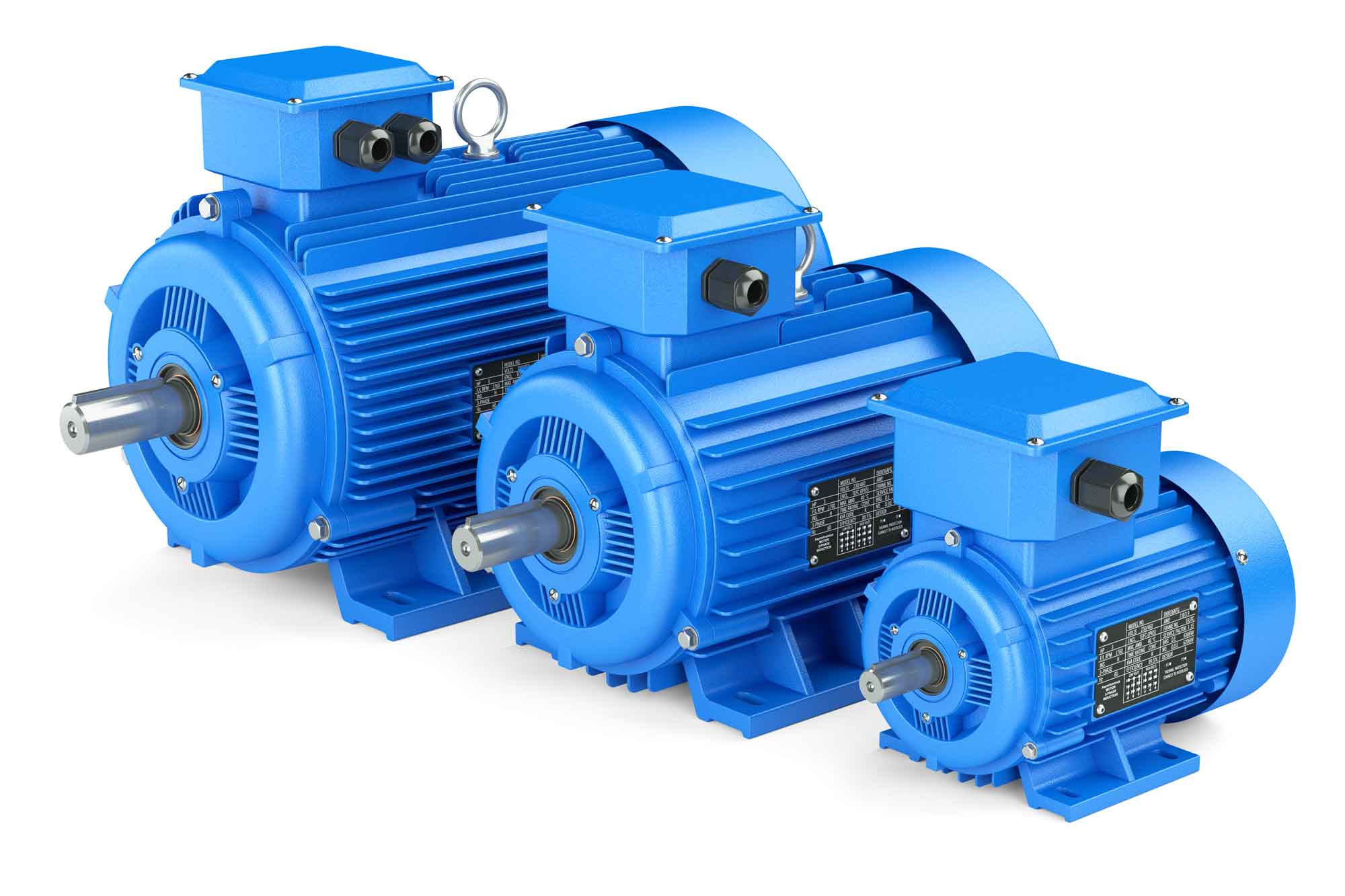
Electric motors and double worm reduction gearboxes are complementary products, and they are often used together in industrial applications. We offer a range of electric motors for sale that are designed to work with our double worm reduction gearboxes. Our motors are of the highest quality and are designed to deliver reliable performance in even the most demanding applications.
About Us
RP Techniek BV is the Netherlands sales agent for Ever-power Group. We are a comprehensive transmission equipment manufacturer that specializes in the design, production, manufacture, and sales of speed reducers, including double worm reduction gearboxes. With over 25 years of experience, we have served customers in Europe, America, Africa, Asia, and other regions, and have earned a reputation for providing the highest quality products at competitive prices.
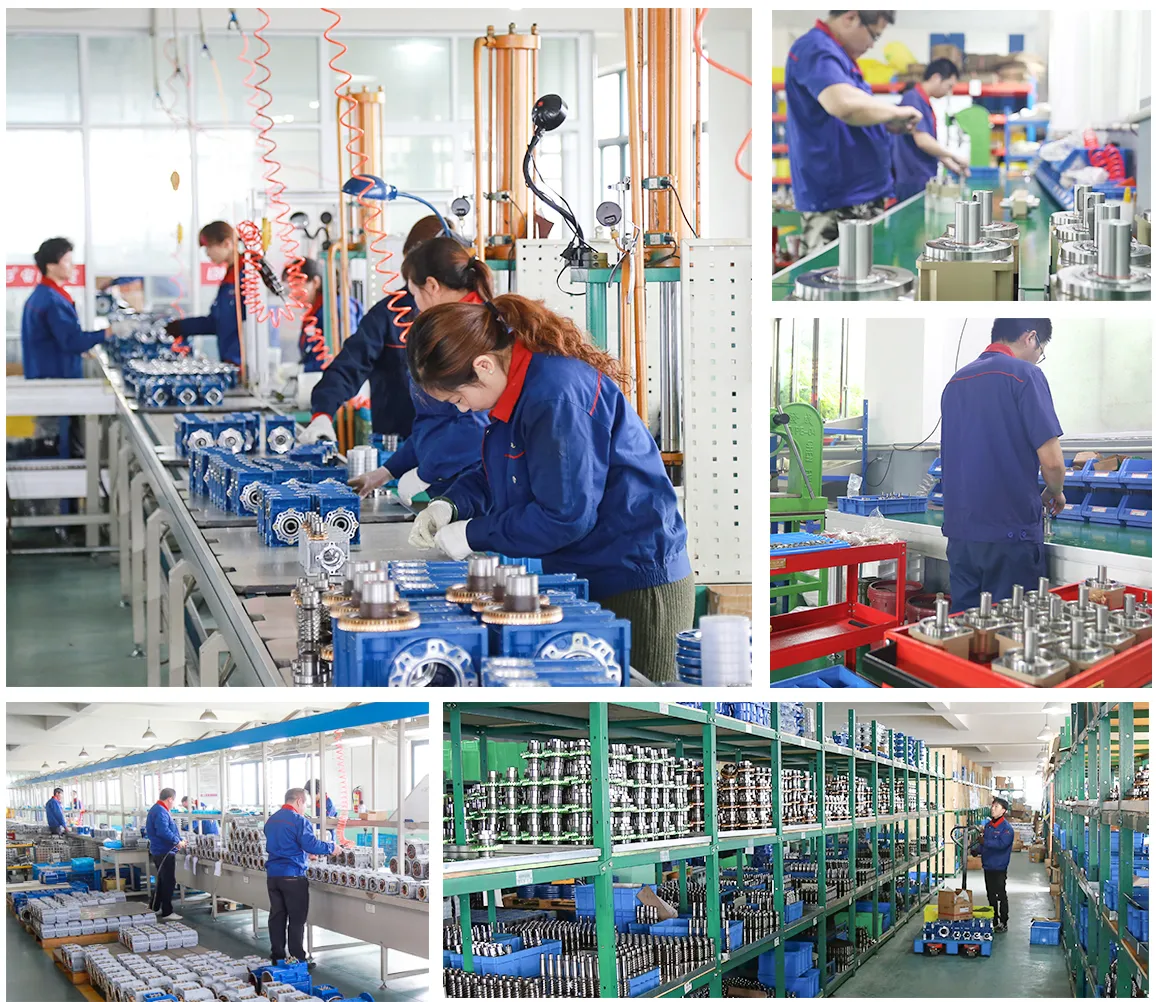
Our production facility is equipped with advanced production equipment and testing equipment, and we employ industry professionals and technicians to carry out innovative research and development and manufacturing. We use standardized production management methods to ensure the highest quality in every aspect of our production process.
Our double worm reduction gearboxes are widely used in industries such as equipment, food, car washing, packaging, transmission, automation, and solar energy. We are committed to providing our customers with high-quality, high-energy-efficiency, and high-stability products that meet their needs and exceed their expectations.
Thank you for considering our products. Please feel free to contact us for more information or to place an order.
Q&A
Q1: What is the purpose of a double worm reduction gearbox?
A1: The purpose of a double worm reduction gearbox is to reduce the speed of the input shaft while increasing the torque.
Q2: How many worm gears are there in a double worm reduction gearbox?
A2: There are two worm gears in a double worm reduction gearbox.
Q3: What are the reduction gears designed to do in a double worm reduction gearbox?
A3: The reduction gears are designed to increase the torque output while reducing the speed of the output shaft.
Q4: Why is load testing important for double worm reduction gearboxes?
A4: Load testing is important for double worm reduction gearboxes because it ensures that the gearbox can handle the rated load capacity and is safe for use in industrial applications.
Q5: What should be done if a double worm reduction gearbox fails a load test?
A5: If a double worm reduction gearbox fails a load test, further investigation is required to identify the cause of the failure.
Edited by: Zqq.