Introduction
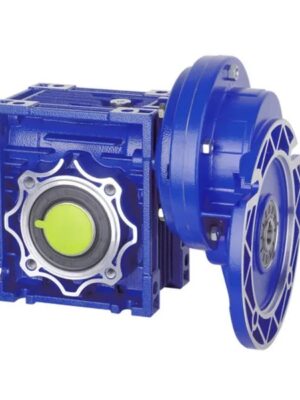
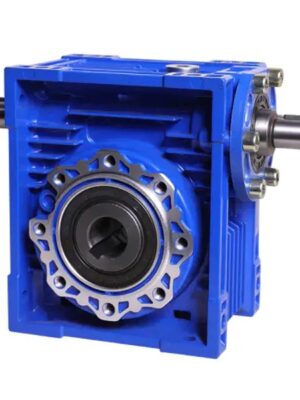
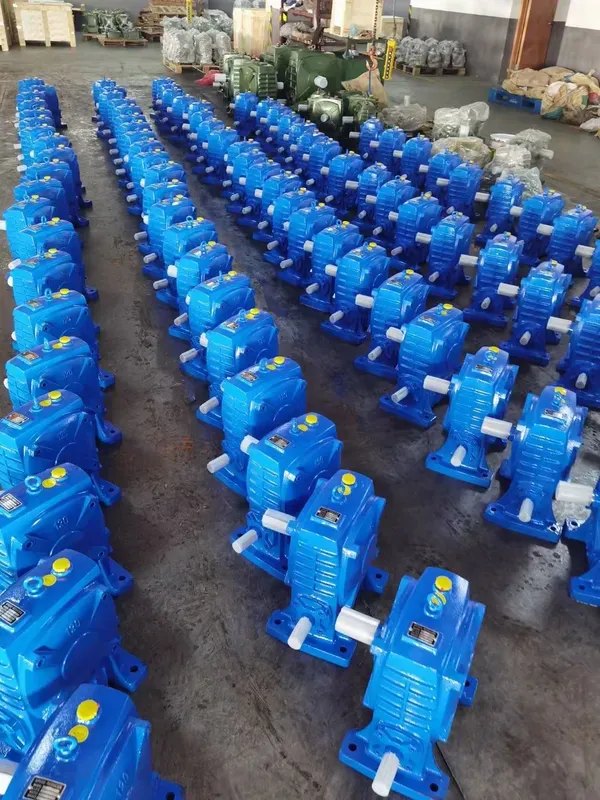
Alignment is a critical aspect of ensuring the smooth operation and optimal performance of WP Series Cast Iron Worm Gearmotors. Proper alignment between the gearmotor and power sources is essential to minimize energy losses and prevent premature wear and tear. In this guide, we will explore the various methods and techniques used to align WP Series Cast Iron Worm Gearmotors effectively.
Understanding Gearmotor Alignment
Alignment refers to the process of positioning the gearmotor in such a way that its input and output shafts are precisely parallel to the power source and driven equipment, respectively. This alignment ensures that power transmission occurs efficiently without any unnecessary friction or misalignment.
Types of Gearmotor Alignment
There are three primary methods of aligning WP Series Cast Iron Worm Gearmotors:
1. Shaft Alignment
Shaft alignment involves aligning the input and output shafts of the gearmotor with the power source and driven equipment, respectively. This process ensures that the shafts are parallel and collinear, minimizing vibration and power losses.
2. Angular Alignment
Angular alignment focuses on aligning the gearmotor at the correct angle to ensure smooth power transmission. Proper angular alignment prevents excessive radial loads and reduces the risk of gear tooth failure.
3. Axial Alignment
Axial alignment is concerned with aligning the gearmotor in the axial direction to ensure that the input and output shafts are correctly positioned relative to each other. This alignment prevents excessive axial loads and ensures the gearmotor operates within its design parameters.
Alignment Process
The alignment process involves the following steps:
1. Pre-Alignment Preparation
Before starting the alignment process, it is crucial to gather the necessary tools and equipment, including dial indicators, alignment fixtures, and shims. Additionally, ensure that the gearmotor and power source are properly mounted and securely fixed.
2. Rough Alignment
Begin the alignment process by performing a rough alignment of the gearmotor. This involves visually aligning the input and output shafts to ensure they are approximately parallel. Use a straightedge or laser alignment tool to assist in this step.
3. Precise Alignment
Once the rough alignment is complete, proceed with the precise alignment. Use dial indicators to measure the angular and axial misalignment between the gearmotor and power source. Make adjustments using shims or alignment fixtures to achieve the desired alignment.
4. Final Checks
After completing the alignment, perform final checks to ensure that the gearmotor is properly aligned. Check for any residual misalignment and make necessary adjustments. Verify that all connections are secure and tighten any loose bolts or fasteners.
Conclusion
Proper alignment is crucial for the efficient and reliable operation of WP Series Cast Iron Worm Gearmotors. By following the alignment process outlined in this guide, you can ensure that your gearmotors are aligned accurately, minimizing energy losses, reducing wear and tear, and maximizing the lifespan of your equipment.
Electric motors for Sale
WP Series Cast Iron Worm Gearmotors and electric motors go hand in hand, complementing each other in power transmission systems. The gearmotor provides the necessary torque and speed reduction, while the electric motor supplies the driving force. This symbiotic relationship between gearboxes and electric motors is vital for various industries, including machinery, automation, and solar energy.
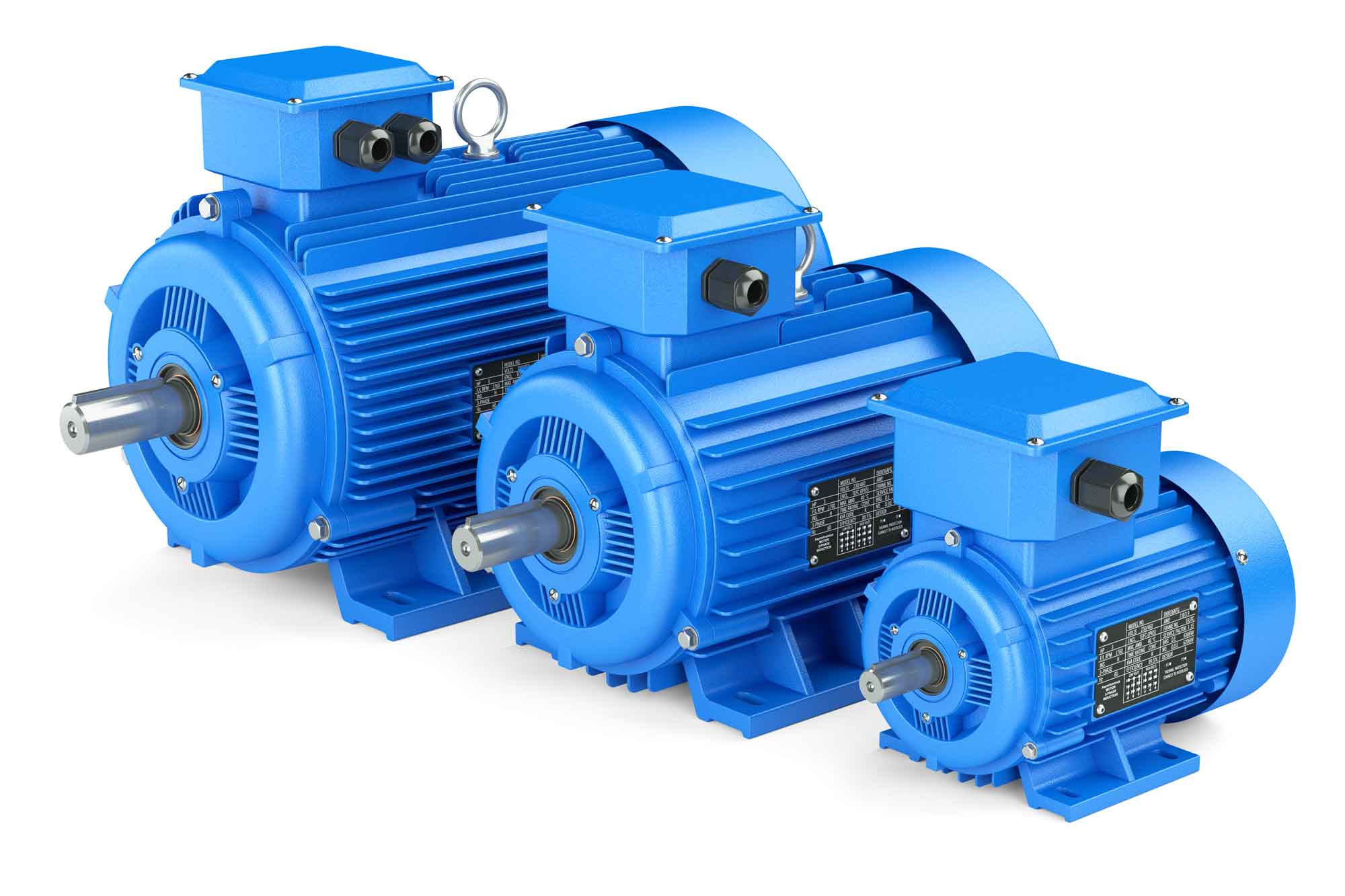
At RP Techniek BV, we not only offer high-quality WP Series Cast Iron Worm Gearmotors but also provide a wide range of electric motors for sale. Our electric motors are designed to work seamlessly with our gearmotors, ensuring optimal performance and efficiency. Explore our product range and contact us today to make a purchase.
Q&A
Q: Can WP Series Cast Iron Worm Gearmotors be used in the food industry?
A: Absolutely! WP Series Cast Iron Worm Gearmotors are suitable for use in various industries, including the food industry. These gearmotors are designed to meet strict hygiene and safety standards, making them ideal for applications that require reliable and efficient power transmission in food processing and packaging equipment.
Q: Are WP Series Cast Iron Worm Gearmotors suitable for high-speed applications?
A: While WP Series Cast Iron Worm Gearmotors are primarily designed for low-speed applications, they can also be used in moderate-speed applications. However, it is essential to consider the gear ratio and load requirements to ensure the gearmotor operates within its design limits and can handle the desired speed.
Q: Can WP Series Cast Iron Worm Gearmotors be used in harsh environments?
A: Yes, WP Series Cast Iron Worm Gearmotors are built to withstand challenging operating conditions and can be used in harsh environments. These gearmotors are constructed from durable materials and feature robust sealing to protect against dust, moisture, and other contaminants, making them suitable for applications in industries such as mining, construction, and agriculture.
Edited by: Zqq.