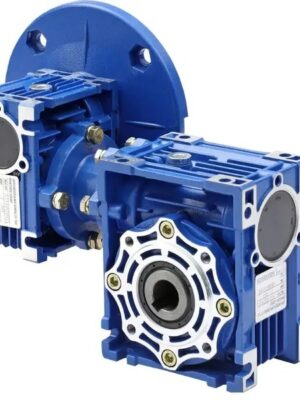
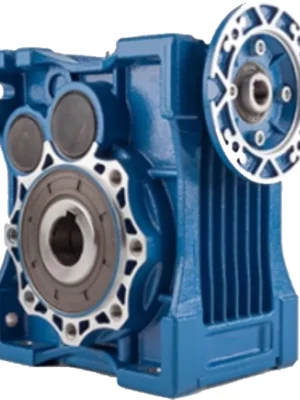
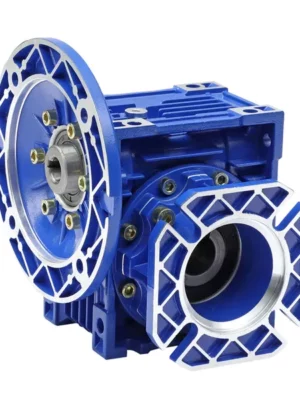
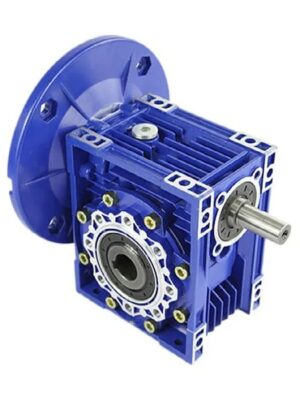
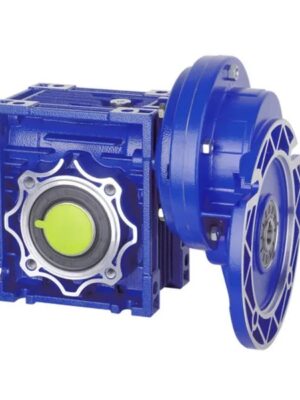
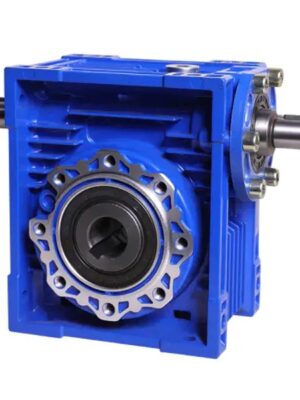
How Do Double Worm Reduction Gearboxes Handle Misalignment?
Introduction
Double worm reduction gearboxes are an essential component in many industrial applications. These gearboxes play a crucial role in transmitting power smoothly and efficiently, ensuring the proper functioning of the machinery. In this article, we will explore how double worm reduction gearboxes handle misalignment and the importance of this feature in industrial operations.
1. Understanding Misalignment in Gearboxes
Misalignment is a common challenge faced by gearboxes in industrial settings. It refers to the deviation from the ideal alignment between the driving and driven shafts. Misalignment can occur due to various factors, such as thermal expansion, foundation settling, or improper installation.
1.1 Types of Misalignment
There are two primary types of misalignment: angular misalignment and parallel misalignment. Angular misalignment occurs when the axes of the driving and driven shafts are not parallel, causing the shafts to intersect at an angle. On the other hand, parallel misalignment refers to the offset between the axes of the driving and driven shafts, resulting in a parallel displacement.
2. Handling Misalignment in Double Worm Reduction Gearboxes
Double worm reduction gearboxes are designed to handle misalignment effectively. The unique construction and features of these gearboxes enable them to compensate for misalignment and ensure smooth power transmission.
2.1 Flexible Couplings
One of the key mechanisms that help double worm reduction gearboxes handle misalignment is the use of flexible couplings. These couplings are positioned between the driving and driven shafts and provide flexibility to accommodate angular and parallel misalignment.
2.1.1 Elastomeric Couplings
Elastomeric couplings are widely used in double worm reduction gearboxes due to their excellent flexibility and shock absorption capabilities. These couplings consist of an elastomeric material that can withstand misalignment and transmit torque efficiently.
2.1.2 Metal Membrane Couplings
Metal membrane couplings are another type of flexible coupling used in double worm reduction gearboxes. These couplings utilize a series of thin metal membranes to accommodate misalignment. They offer high torsional stiffness and precise torque transmission, making them suitable for applications with stringent alignment requirements.
2.2 Self-Aligning Bearings
In addition to flexible couplings, double worm reduction gearboxes also incorporate self-aligning bearings. These bearings can automatically adjust their position to compensate for misalignment between the driving and driven shafts. Self-aligning bearings help reduce friction, minimize wear and tear, and extend the lifespan of the gearbox.
3. Importance of Handling Misalignment in Industrial Applications
The ability of double worm reduction gearboxes to handle misalignment is of utmost importance in industrial applications. Proper alignment ensures efficient power transmission, reduces vibrations and noise, and prevents premature wear of gears and bearings. By effectively handling misalignment, double worm reduction gearboxes contribute to the overall performance, reliability, and longevity of the machinery.
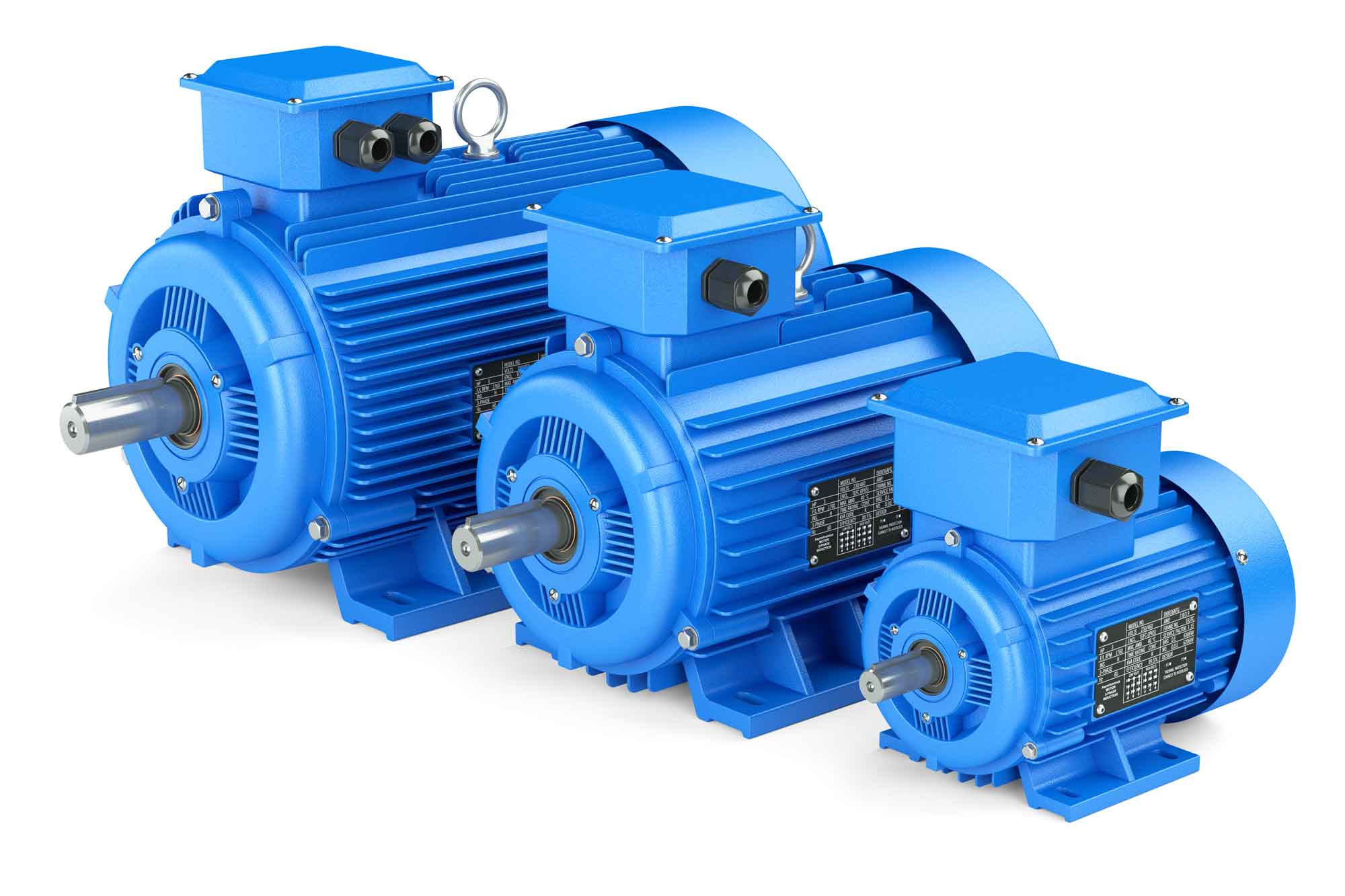
Electric Motors for Sale
Double worm reduction gearboxes work in tandem with electric motors to provide efficient power transmission. The synergy between gearboxes and electric motors is crucial for smooth operations in various industries. At our company, we offer a wide range of electric motors for sale, perfectly matched with our high-quality gearboxes.
About Us
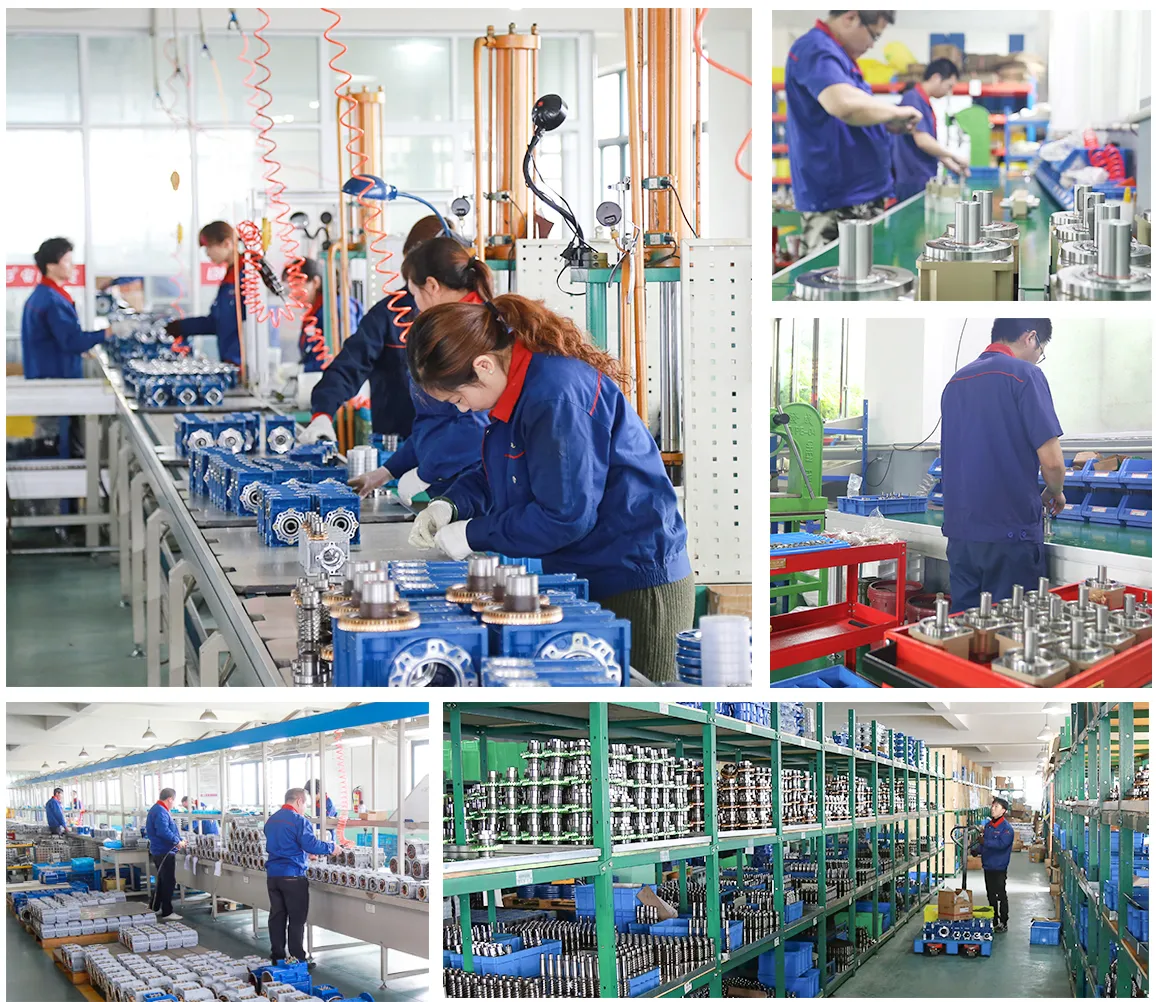
RP Techniek BV is the Netherlands sales agent of the Ever-power Group. We specialize in the production and sales of worm and worm gear reducers. With our state-of-the-art manufacturing facilities, we cater to clients in Europe, America, Africa, and Asia, delivering superior quality products at competitive prices. Our commitment to innovation, precise manufacturing, and exceptional customer service has earned us a distinguished reputation in the market.
Ever-power is a comprehensive transmission equipment manufacturer integrating research and development, manufacturing, and sales of speed reducers. We have more than 25 years of experience and have continuously invested in advanced production and testing equipment. Our team of industry professionals and technicians ensures innovative design, strict production control, and the delivery of high-quality, energy-efficient, and reliable gearboxes. Our gearboxes find applications in various industries, including equipment, food, car washing, packaging, transmission, automation, and solar energy.
Explore our products and contact us for your gearbox and electric motor needs.
Q&A
Q1: What are the primary benefits of double worm reduction gearboxes?
A1: Double worm reduction gearboxes offer high efficiency, compact design, and excellent torque transmission capabilities. They are also known for their ability to handle heavy loads and provide precise speed control.
Q2: Can double worm reduction gearboxes be used in harsh environments?
A2: Yes, double worm reduction gearboxes are designed to withstand harsh environmental conditions. They are often equipped with sealed housings, corrosion-resistant coatings, and robust construction to ensure durability and reliable performance.
Q3: How do flexible couplings in double worm reduction gearboxes handle misalignment?
A3: Flexible couplings, such as elastomeric couplings and metal membrane couplings, provide flexibility to accommodate misalignment. They absorb shocks, reduce vibrations, and ensure smooth power transmission between the driving and driven shafts.
Q4: Are double worm reduction gearboxes suitable for high-speed applications?
A4: Double worm reduction gearboxes are primarily used in low to medium speed applications due to their design characteristics. For high-speed applications, other types of gearboxes, such as helical or planetary gearboxes, are more suitable.
Q5: How can I select the right double worm reduction gearbox for my application?
A5: Selecting the right gearbox involves considering factors such as torque requirements, input and output speeds, mounting options, and environmental conditions. Consulting with gearbox experts or contacting our company will help you make an informed decision based on your specific application needs.
Edited by: Zqq.