Introduction
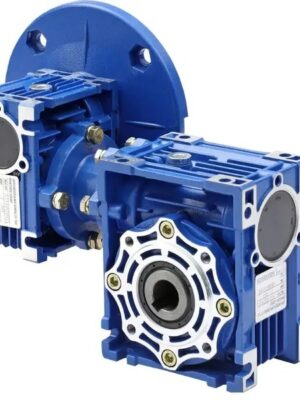
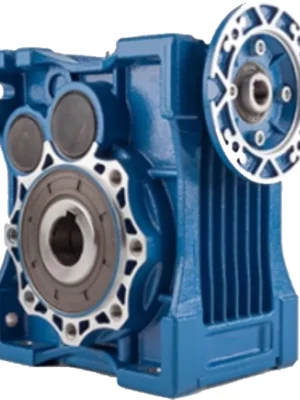
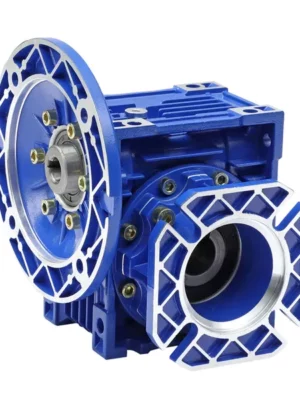
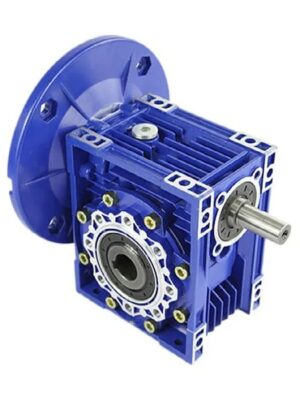
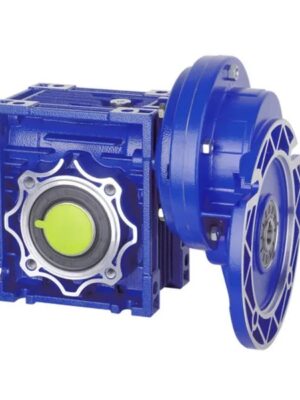
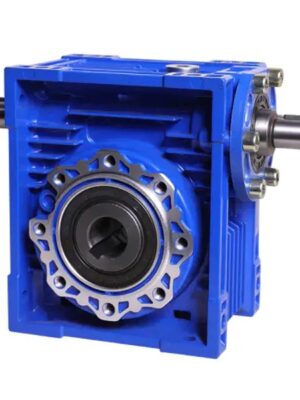
A double worm reduction gearbox is an essential component in various mechanical systems. It is a type of gearbox that is used to reduce the speed and increase the torque of a motor. In this article, we will discuss the effects of double worm reduction gearboxes on torque distribution. We will explore its working principle, types, applications, advantages, and disadvantages.
Working Principle of Double Worm Reduction Gearboxes
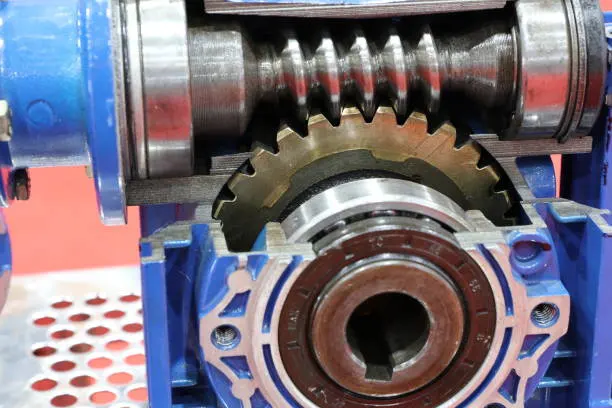
A double worm reduction gearbox has two stages of reduction. The first stage consists of a worm gear that drives a worm wheel. The worm wheel is connected to the input shaft of the second stage. The second stage consists of another worm gear that drives another worm wheel. The output shaft is connected to the second worm wheel. The input power is transmitted to the first stage, which reduces the speed and increases the torque. The output from the first stage is then transmitted to the second stage, which further reduces the speed and increases the torque.
Types of Double Worm Reduction Gearboxes
Single Reduction Double Worm Gearbox
A single reduction double worm gearbox has two stages of reduction, but only one worm gear is used in the first stage. This type of gearbox is suitable for applications that require a moderate level of torque.
Double Reduction Double Worm Gearbox
A double reduction double worm gearbox has two stages of reduction, and both stages use a worm gear. This type of gearbox is suitable for applications that require a high level of torque.
Applications of Double Worm Reduction Gearboxes
- Conveyor systems
- Material handling equipment
- Printing presses
- Textile machinery
- Packaging machinery
- Food processing equipment
Advantages of Double Worm Reduction Gearboxes
- High torque multiplication
- Smooth and quiet operation
- Efficient power transmission
- Compact design
- Low maintenance
- High durability
Disadvantages of Double Worm Reduction Gearboxes
- High cost
- Low efficiency
- Limitation in speed reduction
- Not suitable for high-speed applications

Torque Distribution in Double Worm Reduction Gearboxes
The torque distribution in a double worm reduction gearbox is influenced by various factors such as gear ratio, load, and efficiency. The gear ratio determines the reduction of speed and increase of torque. The load affects the torque required to drive the output shaft. The efficiency determines the power loss during the transmission of power from the input shaft to the output shaft.
Effect of Gear Ratio on Torque Distribution
The gear ratio is the ratio of the number of teeth on the worm gear to the number of teeth on the worm wheel. The gear ratio determines the reduction of speed and the increase of torque. A higher gear ratio results in a higher torque multiplication and a lower speed. A lower gear ratio results in a lower torque multiplication and a higher speed.
Effect of Load on Torque Distribution
The load affects the torque required to drive the output shaft. The torque required to drive the output shaft is equal to the load torque plus the friction torque. The load torque is the torque required to overcome the resistance to motion of the load. The friction torque is the torque required to overcome the frictional forces in the gearbox.
Effect of Efficiency on Torque Distribution
The efficiency of a double worm reduction gearbox is the ratio of the output power to the input power. The efficiency determines the power loss during the transmission of power from the input shaft to the output shaft. The power loss is due to frictional forces, mechanical losses, and heat losses. A higher efficiency results in a lower power loss and a higher torque delivery to the output shaft.
Electric Motors for Sale
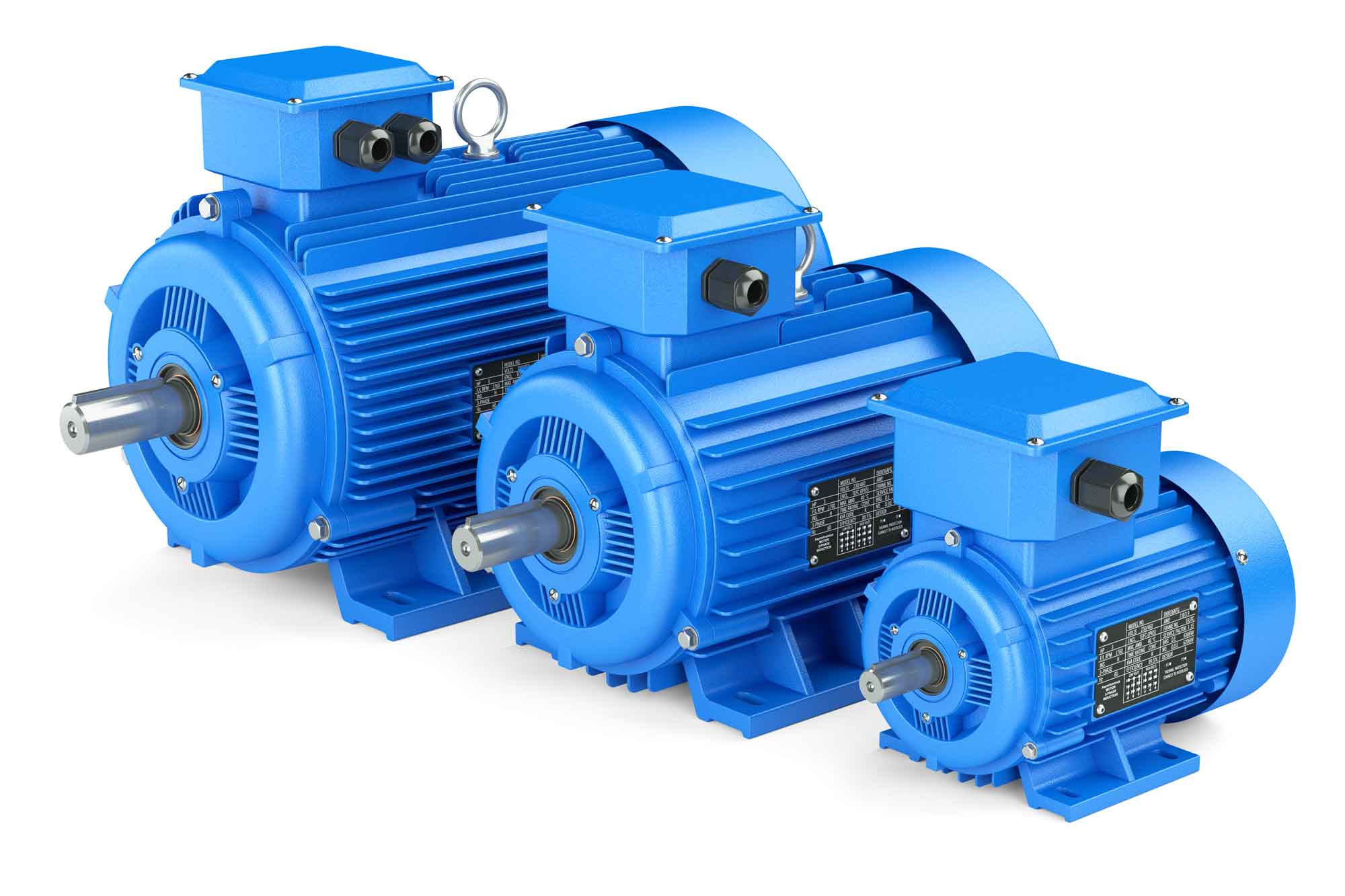
A double worm reduction gearbox is a crucial component in various mechanical systems, including electric motors. At RP Techniek BV, we provide high-quality electric motors that are compatible with double worm reduction gearboxes. Our electric motors are efficient, durable, and reliable. We offer a wide range of electric motors that are suitable for various applications, including conveyor systems, material handling equipment, printing presses, textile machinery, packaging machinery, and food processing equipment. Our electric motors are designed to work seamlessly with our double worm reduction gearboxes, providing optimal torque distribution and power transmission. Contact us today to explore our range of electric motors and double worm reduction gearboxes.
About Us
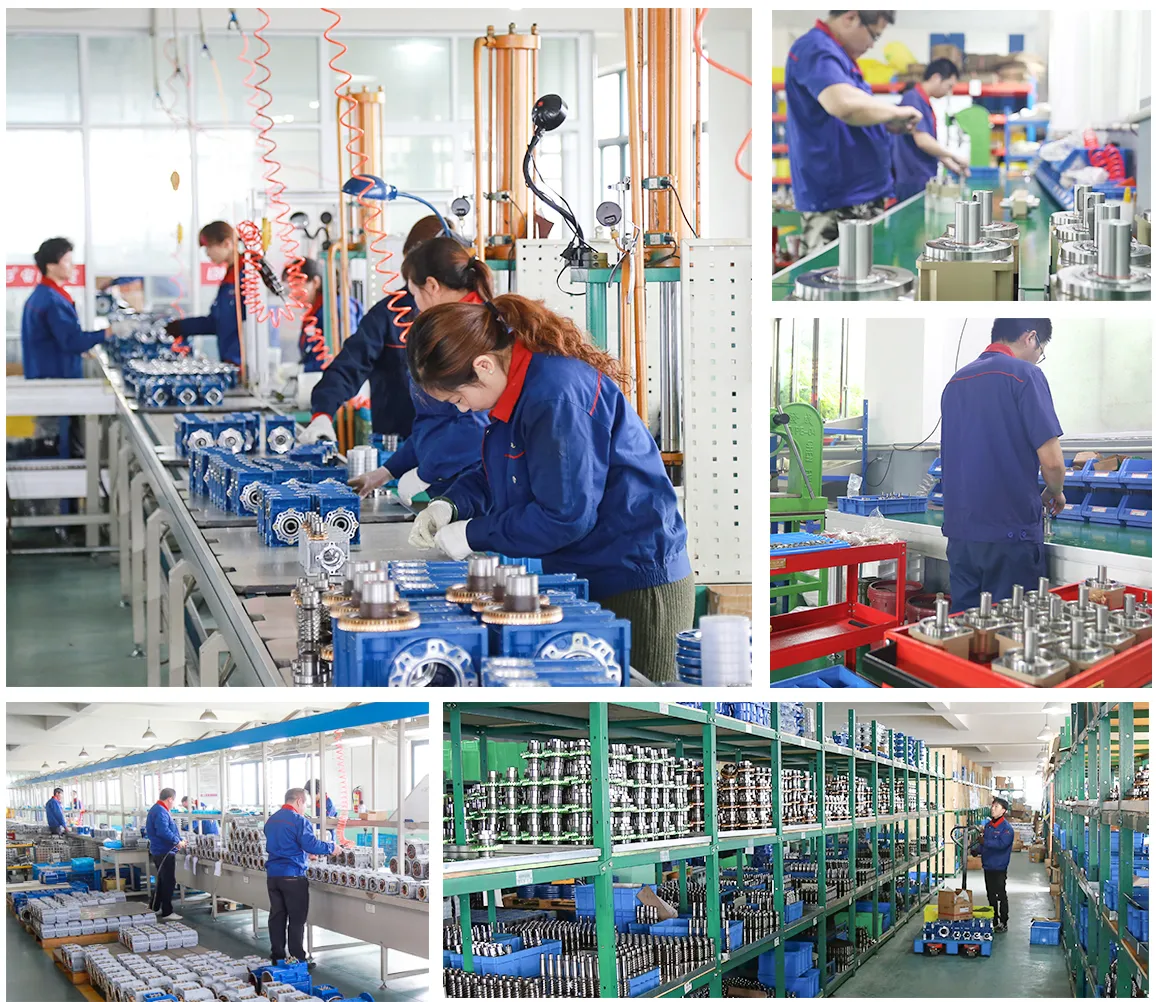
RP Techniek BV is the Netherlands sales agency of the Ever-power Group. We specialize in the design, production, manufacture, and sales of double worm reduction gearboxes and electric motors. Our team of industry professionals and technicians has over 25 years of experience in the transmission equipment industry. We provide high-quality, energy-efficient, and reliable transmission equipment for various industries, including the equipment industry, food industry, car washing industry, packaging industry, transmission industry, automation industry, and solar energy industry. Our products are highly regarded by customers in Europe, America, Africa, Asia, and other regions. We are committed to providing our customers with the best products, services, and prices. Contact us today to learn more about our products and services.
Q&A
What is a double worm reduction gearbox?
A double worm reduction gearbox is a type of gearbox that is used to reduce the speed and increase the torque of a motor. It has two stages of reduction and uses two worm gears to achieve a high level of torque.
What are the advantages of double worm reduction gearboxes?
The advantages of double worm reduction gearboxes include high torque multiplication, smooth and quiet operation, efficient power transmission, compact design, low maintenance, and high durability.
What are the disadvantages of double worm reduction gearboxes?
The disadvantages of double worm reduction gearboxes include high cost, low efficiency, limitation in speed reduction, and unsuitability for high-speed applications.
What are the applications of double worm reduction gearboxes?
The applications of double worm reduction gearboxes include conveyor systems, material handling equipment, printing presses, textile machinery, packaging machinery, and food processing equipment.
What is the working principle of double worm reduction gearboxes?
The working principle of double worm reduction gearboxes involves two stages of reduction. The first stage uses a worm gear to drive a worm wheel, and the second stage uses another worm gear to drive another worm wheel. The input power is transmitted to the first stage, which reduces the speed and increases the torque. The output from the first stage is then transmitted to the second stage, which further reduces the speed and increases the torque.
What is the gear ratio of a double worm reduction gearbox?
The gear ratio of a double worm reduction gearbox is the ratio of the number of teeth on the worm gear to the number of teeth on the worm wheel. The gear ratio determines the reduction of speed and increase of torque.
Edited by: Zqq.