
A precise request for quotation specifies what the gearbox must do and which interfaces it must fit. An RFQ containing only horsepower invites unsuitable assumptions. Refer to the gearbox specification checklist guidance. Attach representative load curve or process data where available. Approve the complete electrical and mechanical input configuration.
Define input motor and control
Identify orientation and environment
Normalize commercial and technical scope
State the process function
The supplier needs to know what the driven machine does under normal and difficult conditions; a conveyor and mixer may have equal motor power but very different start loads.
An RFQ containing only horsepower invites unsuitable assumptions; describe machine type, duty and actual running hours.
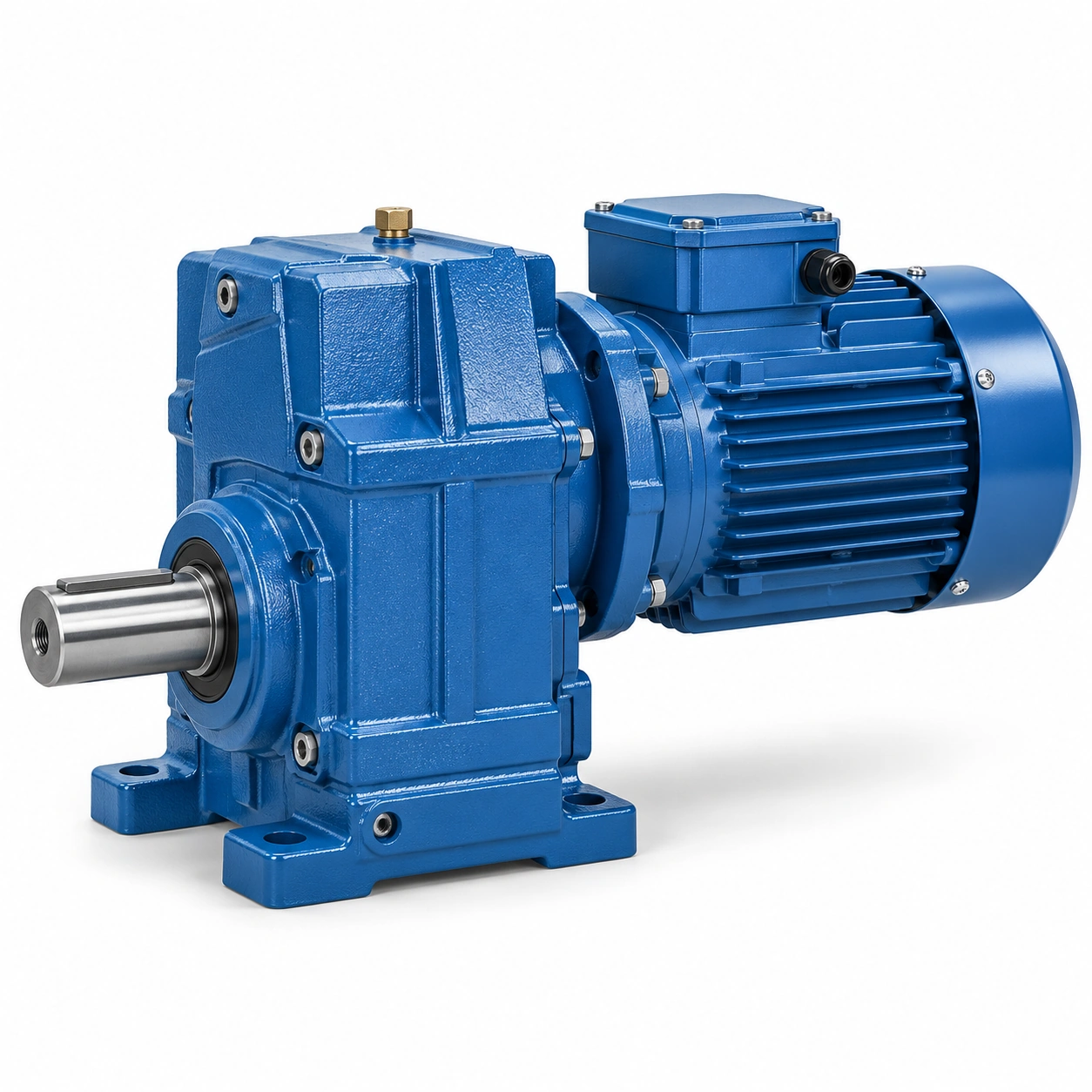
Attach representative load curve or process data where available; request a selection matched to the stated application; a vague duty statement cannot support an engineering acceptance decision.
Define input motor and control
Motor voltage, frequency, frame, speed and brake alter the supplied assembly; a VFD-driven motor has a different useful speed and torque envelope from a fixed-speed motor.
Unclear motor inclusion creates quotation scope differences; provide motor plate, control strategy and input coupling requirements.
State whether motor, brake and inverter are included; approve the complete electrical and mechanical input configuration; comparing a bare reducer to a complete gearmotor is not price equivalence.
Specify output torque and speed
Nominal ratio alone does not describe continuous or peak loading; a 30 rpm shaft may require very different torque under loaded restart.
A single nominal output speed can conceal overloaded operating states; provide continuous demand, transient demand and output rpm range.
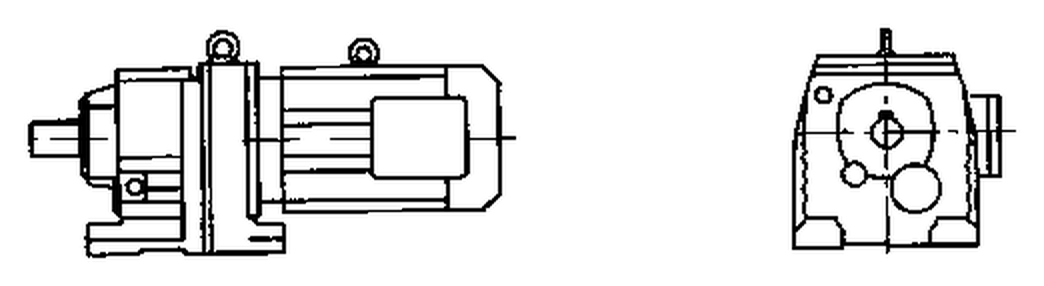
Request supplier rated torque and allowed peak conditions; check all operating states against actual product ratings; a price without duty evidence is only an indicative enquiry.
Attach actual interface drawings
Mounting foot, flange pilot, output shaft and key dimensions determine fit; an incorrect shaft projection can prevent guarding or coupling engagement.
Catalogue photos do not provide sufficient fit information; send marked-up 2D drawing or measurable existing unit.
List shaft diameter, fit, key, bolt pattern and center height; compare approved assembly drawings before order; unrecorded dimensional assumptions cause expensive site modifications.
Identify orientation and environment
Installation position affects lubricant, breathers and sealing; wet washdown, abrasive dust and ambient heat may require options.
Unspecified operating conditions leave critical scope gaps; describe shaft direction, oil access and environmental exposure.
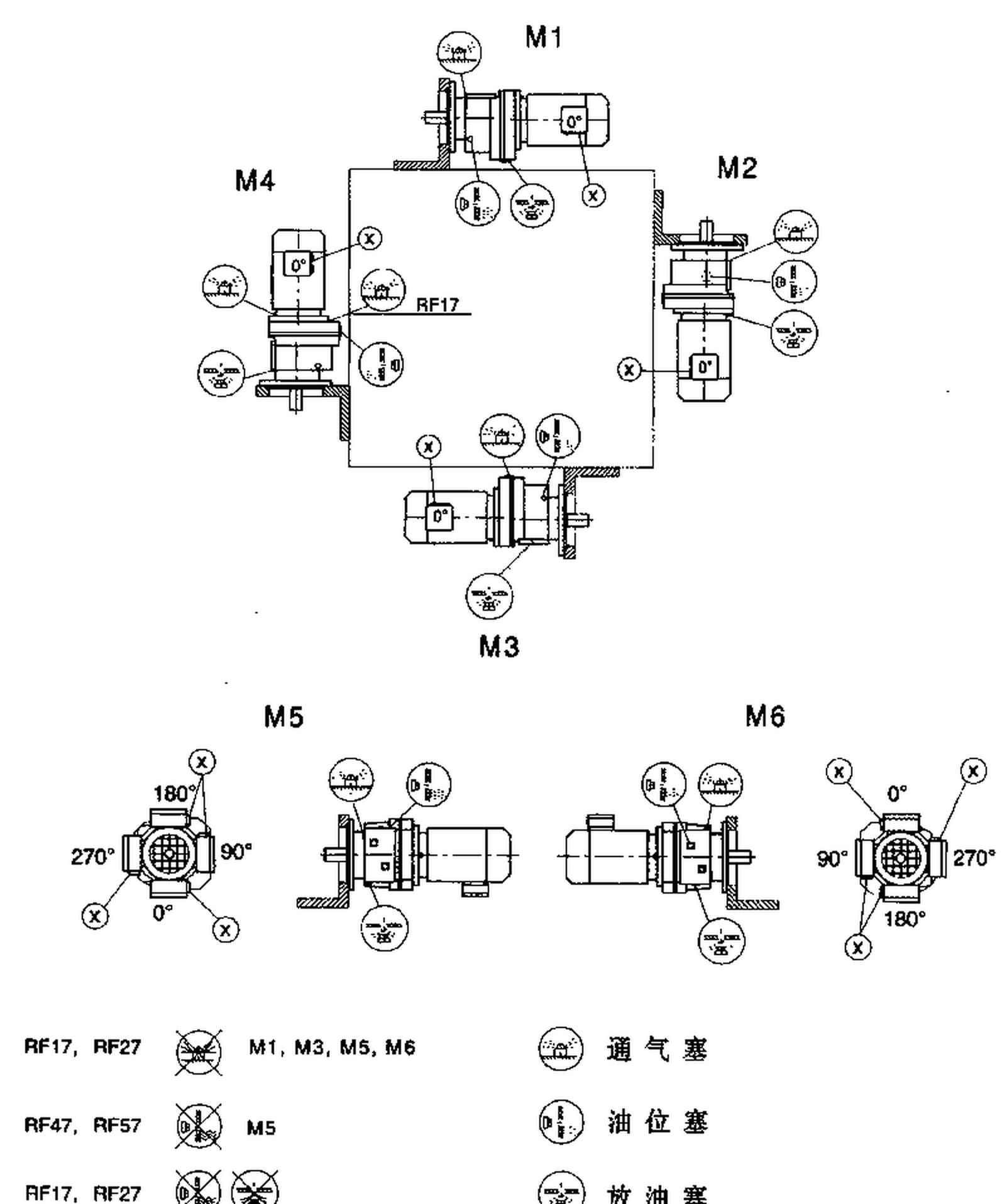
Provide duty hours, temperature, cleaning and special protection needs; request maker confirmation of mounting and thermal suitability; a generic IP or material claim may not apply to the selected assembly.
Wet washdown, abrasive dust and ambient heat may require options. Unspecified operating conditions leave critical scope gaps. Examine the gearbox specification checklist layout example. Provide duty hours, temperature, cleaning and special protection needs. Request maker confirmation of mounting and thermal suitability.
Ask for shaft load data
External pulleys, screws or couplings can impose Fr and Fa; gearbox torque rating is not a complete bearing-load specification.
An omitted load limit can invalidate an otherwise attractive quote; specify radial and axial forces with positions and directions.
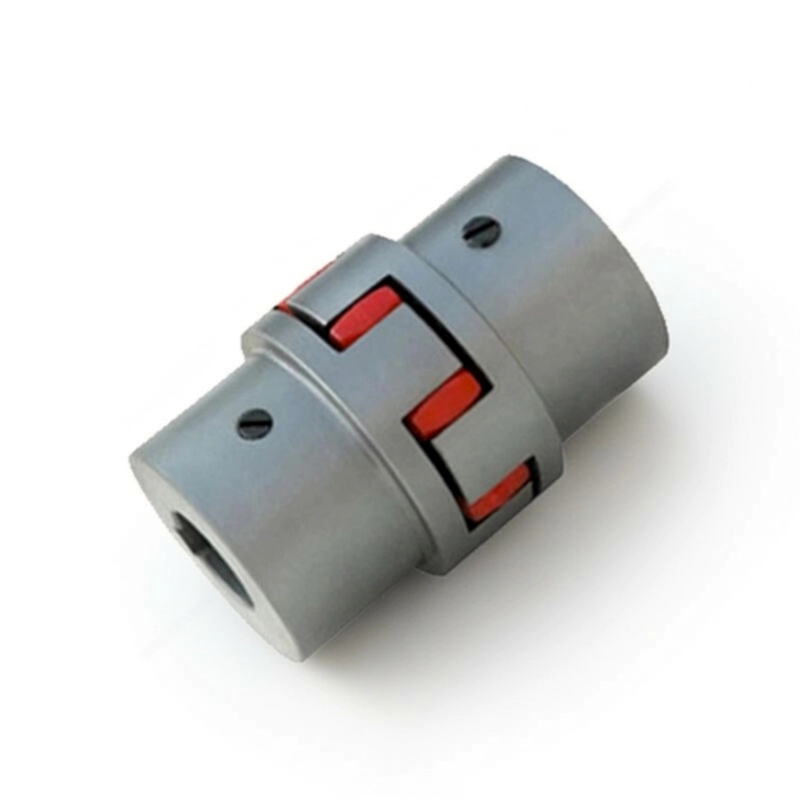
Request ratings at output rpm and stated bearing life; confirm output support with qualified engineering; an unclear load position should remain pending until measured.
Clarify documentary deliverables
Buyers may need drawings, test records, lubricant instructions and compliance statements; different suppliers may quote varying documentation packages.
Undeclared missing records complicate acceptance and import; list required drawing revision and test evidence.
Define certification scope only where genuinely applicable; compare completeness before purchase authorization; a product photo is not a substitute for an approved specification sheet.
Normalize commercial and technical scope
A lower quote may omit motor, coupling, special coating or freight; delivery terms and service support influence installed cost.
Price ranking without identical scope can mislead management; ask each bidder for a line-by-line inclusion and exclusion schedule.
Record Incoterms, lead time, spares and revision status; compare technically matched alternatives with deviations visible; the cheapest line item is not always the lowest complete-project cost.
Illustrative engineering scenario: A technical quotation for an industrial geared motor or reducer
An industrial buyer sends three suppliers an enquiry that says ‘helical gearbox, 7.5 kW, ratio 30:1, one unit.' The quotations that arrive are difficult to compare. One includes a motor and brake, another offers a bare reducer and a third assumes a foot mounting that does not fit the machine. There is no agreed output-shaft drawing or description of loaded starts. The sourcing team rewrites the RFQ as a structured technical package. It retains the original motor nameplate and describes the driven machine function, normal and maximum output rpm, estimated continuous torque and expected start-stop cycle. Where a value is uncertain, it is labeled as an estimate requiring engineering confirmation rather than presented as fact.
The package attaches a marked-up interface drawing. It contains center height, base holes, flange register if relevant, output shaft diameter, key and usable projection, plus existing guard clearance. Motor voltage, frequency, frame, mounting and VFD or brake requirements are listed as separate fields. For a sprocket-driven output, the machine designer supplies radial and axial load requirements with application positions and expected bearing life. The installer adds the actual shaft attitude and available fill or drain access, because a proposed gearbox can be dimensionally suitable yet require a different lubrication arrangement. Environmental conditions such as dust or cleaning chemicals are not reduced to an unexplained IP label.
Each bidder receives the same questions about continuous and transient capacity, thermal suitability, allowable external force, approved lubricant and exact structural version. The requested quotation also lists required documents, special parts and inclusion of motor, coupling, torque arm or any protective accessories. A supplier may offer a technically reasonable alternative, but every exception should be written beside the affected requirement. The buyer cannot infer guaranteed compatibility from a similar picture or a near-identical type code. The engineering reviewer signs off any dimensional change before the purchase order is issued.
The normalized comparison eventually shows why the cheapest line item was not necessarily the cheapest complete solution. Installation work, missing motor scope and unresolved thermal evidence can dominate the difference. The result is a defensible request for quotation that reduces avoidable clarifications. It also gives the factory a clear basis for confirming technical parameters without inventing loads or certificates that were never supplied by the customer.
For international B2B purchasing, the RFQ should distinguish required delivery documents from optional marketing material. Technical drawings, lubricant instructions, inspection reports and any truly applicable conformity documents should be listed explicitly. Shipping terms can be compared commercially only after each offered package is technically consistent. A supplier response that omits one material requirement needs a written clarification; a low quoted price is not evidence that the missing function is included.
When receiving a substitution proposal, the buyer should attach the proposed manufacturer drawing and show all deviations from the customer reference. Engineering is responsible for approving those changes. Procurement can then compare unit price, freight, delivery and spare availability on a comparable scope without inventing performance or compatibility claims.
Five-stage review for a technical quotation for an industrial geared motor or reducer
-
State the process functionDescribe machine type, duty and actual running hours. Request a selection matched to the stated application.
-
Define input motor and controlState whether motor, brake and inverter are included. Comparing a bare reducer to a complete gearmotor is not price equivalence.
-
Attach actual interface drawingsSend marked-up 2D drawing or measurable existing unit. Compare approved assembly drawings before order.
-
Ask for shaft load dataRequest ratings at output rpm and stated bearing life. An unclear load position should remain pending until measured.
-
Normalize commercial and technical scopeAsk each bidder for a line-by-line inclusion and exclusion schedule. Compare technically matched alternatives with deviations visible.
Engineering comparison matrix: helical gearbox quotation rfq checklist
| Engineering question | Evidence to collect | Review decision |
|---|---|---|
| State the process function | Attach representative load curve or process data where available. | Request a selection matched to the stated application. |
| Define input motor and control | State whether motor, brake and inverter are included. | Approve the complete electrical and mechanical input configuration. |
| Specify output torque and speed | Request supplier rated torque and allowed peak conditions. | Check all operating states against actual product ratings. |
| Attach actual interface drawings | List shaft diameter, fit, key, bolt pattern and center height. | Compare approved assembly drawings before order. |
| Identify orientation and environment | Provide duty hours, temperature, cleaning and special protection needs. | Request maker confirmation of mounting and thermal suitability. |
| Ask for shaft load data | Request ratings at output rpm and stated bearing life. | Confirm output support with qualified engineering. |
Frequently Asked Questions
What information makes a gearbox RFQ technically useful?
Why must existing category and model labels be checked?
How should quotations from multiple suppliers be compared?
Should a supplier invent missing loads to return a quick price?
What makes a final review credible for a technical quotation for an industrial geared motor or reducer?
Different suppliers may quote varying documentation packages. When comparing actual mounting geometry, use the gearbox specification checklist configuration options. Define certification scope only where genuinely applicable.
Ask each bidder for a line-by-line inclusion and exclusion schedule. For an engineering quotation that records the open conditions, contact the technical team about gearbox specification checklist. Compare technically matched alternatives with deviations visible.
Engineering sources for Helical Gearbox RFQ Guide — Data Buyers Should Provide
For the helical gearbox rfq guide: data buyers should provide workflow, consult these reference documents alongside the actual model installation manual:
- Helical Gearbox RFQ Guide: Data Buyers Should Provide: SEW-EURODRIVE, Basic calculation process (analysis).
- Helical Gearbox RFQ Guide: Data Buyers Should Provide: SEW-EURODRIVE, Dimension sheet information (interface review).
- Helical Gearbox RFQ Guide: Data Buyers Should Provide: SEW-EURODRIVE, Application-specific service factor (acceptance checks).