
Gripper chain workstations are an essential component of any assembly line. They provide a reliable way to move products through a factory, increasing efficiency and reducing downtime. However, these workstations can be dangerous if they are not designed with ergonomic considerations in mind. In this article, we will discuss the importance of ergonomic design in gripper chain workstations and provide guidelines for designing a safe and efficient workstation.
What are Gripper Chain Workstations?
Gripper chain workstations are a type of conveyor system that uses a chain to move products along a production line. The gripper chain is designed to securely hold the product as it moves down the line, preventing it from falling or shifting during transportation. These workstations are commonly used in the automotive, electronics, and food industries.
The Importance of Ergonomic Design in Gripper Chain Workstations

Ergonomic design is essential in gripper chain workstations to prevent injuries and maximize productivity. Poorly designed workstations can lead to fatigue, discomfort, and even serious injuries like carpal tunnel syndrome. Ergonomic design involves creating a workspace that is safe, comfortable, and efficient.
Guidelines for Ergonomic Design
Here are some guidelines to follow when designing a gripper chain workstation:
- Position the workstation at the correct height to prevent strain on the neck, shoulders, and back.
- Ensure that the workstation is well-lit to reduce eye strain.
- Provide adequate space for the operator to move around and adjust their posture.
- Minimize the amount of twisting, bending, and reaching required to perform tasks.
- Use grip-friendly and vibration-reducing materials on handles and control panels.

Designing a Safe and Efficient Gripper Chain Workstation
Designing a gripper chain workstation involves more than just selecting the right equipment. It also requires careful planning to ensure that the workstation is safe and efficient. Here are some key considerations to keep in mind:
Layout
The layout of the workstation is critical for creating a safe and efficient workspace. It is important to consider the flow of materials, the placement of equipment and controls, and the physical space available. The layout should be designed to minimize the amount of movement required by the operator and to optimize the use of available space.
Equipment Selection
The selection of equipment is another critical aspect of designing a gripper chain workstation. The equipment should be selected based on the specific needs of the operation, such as the weight and size of the products being transported. It is important to choose equipment that is reliable, easy to maintain, and designed for efficient operation.
Training
Proper training is essential for ensuring that operators can use the workstation safely and efficiently. Operators should be trained on how to use the equipment, how to identify and report problems, and how to follow safety procedures. Ongoing training and refresher courses should be provided to ensure that operators are up-to-date on the latest safety procedures and best practices.
Maintenance
Maintenance is critical for keeping the workstation running smoothly and preventing breakdowns. Regular maintenance should be performed on the equipment to ensure that it is functioning properly. Operators should also be trained on how to perform routine maintenance tasks, such as checking for wear and tear and lubricating moving parts.
Quality Control
Quality control is important for ensuring that products are being transported safely and efficiently. Operators should be trained on how to perform quality control checks and how to identify and report defects or problems. Regular quality control checks should be performed to ensure that products are being transported safely and efficiently.

Sprockets for Gripper Chains
Gripper chains and sprockets are interdependent components of a conveyor system. The sprockets drive the gripper chain, which moves the products along the assembly line. It is important to choose the correct sprockets to ensure that the gripper chain operates smoothly and efficiently.
Our company provides a range of sprockets that are designed to work with gripper chains. Our sprockets are made from high-quality materials and are designed for maximum durability and strength. We also offer customized sprockets to meet the specific needs of your operation.
Our Advantages
Choose our company for your gripper chain workstation needs and enjoy the following advantages:
- High-quality products
- Customized solutions
- Expert advice and technical support
- Competitive pricing
- Quick turnaround times
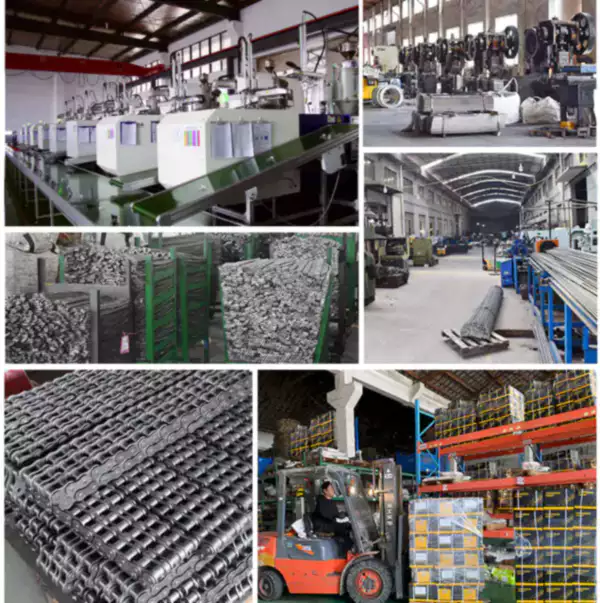
Gripper Chains Purchasing Guide
| Product | Features | Price |
|---|---|---|
| Gripper Chain | High-quality steel construction, various sizes available | Varies based on size and quantity |
| Sprockets | Customizable, high-strength materials | Varies based on size and quantity |
| Accessories | Handles, control panels, and other accessories available | Varies based on product and quantity |
Q&A
Q: What is the maximum weight that a gripper chain can handle?
A: The weight capacity of a gripper chain depends on the specific model and size. Please consult the manufacturer's specifications for more information.
Q: How often should the gripper chain be lubricated?
A: The frequency of lubrication depends on the specific model and usage. Please consult the manufacturer's recommendations for more information.
Q: What is the lead time for customized sprockets?
A: The lead time for customized sprockets varies depending on the specific requirements. Please contact our sales team for more information.
Edited by Zqq.