
Inverted tooth timing chains are a type of timing chain that is widely used in the automotive industry. While they offer many advantages over other types of timing chains, they are still prone to certain issues that can affect their performance and reliability. In this article, we will explore some of the common issues that arise with inverted tooth timing chains and discuss how to address them.
What Are Inverted Tooth Timing Chains?
Before we dive into the common issues with inverted tooth timing chains, let's first understand what they are. Inverted tooth timing chains are made up of a series of tooth-shaped links that mesh with matching teeth on the sprockets. These chains are designed to provide precise and reliable timing for the engine's valves and pistons.
Common Issues with Inverted Tooth Timing Chains
1. Wear and Stretching
Like all timing chains, inverted tooth timing chains are subject to wear and stretching over time. This can cause the chain to become loose and affect the engine's timing, leading to poor performance and potential engine damage. Regular maintenance and replacement of the timing chain can help prevent this issue from occurring.
2. Noisy Operation
Inverted tooth timing chains are designed to be quiet and smooth-running, but they can sometimes produce noise during operation. This can be caused by a number of factors, including chain wear, improper tension, or damaged sprockets. Addressing the underlying cause of the noise can help restore the chain's quiet operation.
3. Chain Jumping or Skipping
Inverted tooth timing chains can jump or skip teeth on the sprockets if the chain is worn or if the tension is incorrect. This can cause the engine to run poorly and potentially cause damage. Regular inspection and replacement of the chain can help prevent this issue from occurring.
4. Sprocket Wear or Damage
The sprockets that drive the inverted tooth timing chain can become worn or damaged over time. This can cause the chain to skip or jump teeth and affect engine timing. Regular inspection and replacement of the sprockets can help prevent this issue.
5. Improper Lubrication
Inverted tooth timing chains require proper lubrication to operate smoothly and quietly. If the chain is not adequately lubricated, it can lead to wear and other issues. Regular oil changes and inspection of the chain's lubrication system can help prevent this issue from occurring.
Addressing Common Issues with Inverted Tooth Timing Chains
Now that we've explored some of the common issues with inverted tooth timing chains, let's discuss how to address them. Regular maintenance and inspection of the timing chain and sprockets can help prevent many of these issues from occurring. Additionally, addressing underlying issues such as improper tension, lubrication, or damaged components can help restore the chain's performance and reliability.
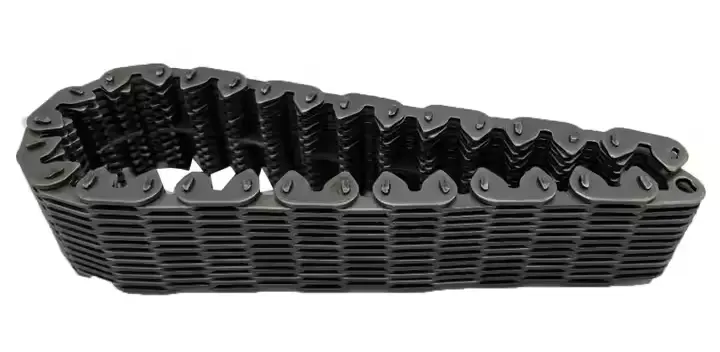
Sprockets for Silent Chains
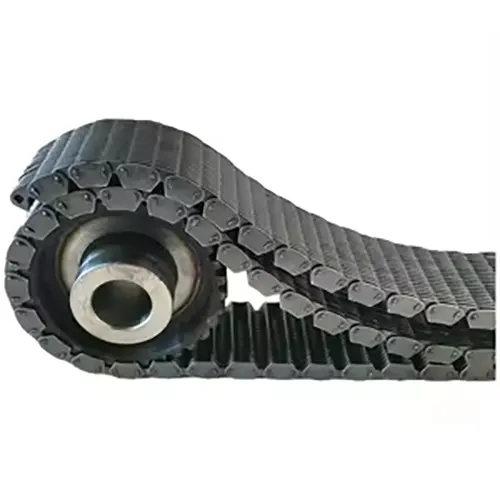
Silent chain sprockets and inverted tooth timing chains go hand in hand. The sprockets are specially designed to work with the unique tooth profile of the chain, ensuring precise and reliable timing for the engine's valves and pistons. At RP Techniek BV, we offer a wide range of high-quality silent chain sprockets that are specifically designed to work with inverted tooth timing chains. Our sprockets are made from high-quality materials and are precision-engineered to ensure optimal performance and reliability.
About Us
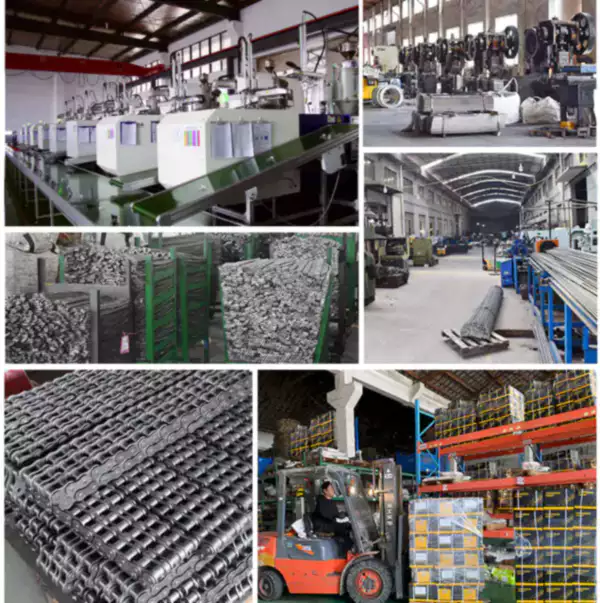
RP Techniek BV is the Netherlands sales agent for the Ever-power Group. We are a leading supplier of silent chains, sprockets, and other power transmission products. Our products are exported to markets around the world, including the United States, Canada, Japan, Korea, Brazil, and Australia. We are committed to providing high-quality products at competitive prices and delivering exceptional customer service.
Q&A
1. How often should the inverted tooth timing chain be replaced?
The replacement interval for the inverted tooth timing chain depends on a variety of factors, including the make and model of the vehicle, the driving conditions, and the manufacturer's recommendations. Some manufacturers recommend replacing the chain every 60,000 miles, while others may recommend 100,000 miles or more. It is important to consult the vehicle's owner's manual or a qualified mechanic for specific recommendations.
2. Can inverted tooth timing chains be repaired?
Inverted tooth timing chains cannot be repaired, as they are a wear item that must be replaced when worn or damaged. Regular inspection and replacement of the chain can help prevent more serious issues from occurring.
3. How can I tell if my inverted tooth timing chain is worn?
Signs of a worn inverted tooth timing chain may include engine noise, poor performance, or a check engine light. A qualified mechanic can inspect the chain for wear and determine if it needs to be replaced.
4. What is the difference between inverted tooth timing chains and other types of timing chains?
Inverted tooth timing chains have a unique tooth profile that provides smoother and quieter operation than other types of timing chains. They are also more reliable and durable, making them a popular choice for many automotive applications.
5. Can I use a different type of timing chain with the sprockets for silent chains?
No, the sprockets for silent chains are specifically designed to work with inverted tooth timing chains and should not be used with other types of chains. Using an incompatible chain can lead to poor engine performance and potential damage.
Edited by: Zqq.