
Introduction
Inverted tooth chain systems are used in various applications, including automotive, power transmission, and industrial machinery. These chains are preferred because they are efficient and provide high power transmission capabilities. However, like any other mechanical system, inverted tooth chain systems are prone to wear and tear. Therefore, it is essential to diagnose problems in the system to ensure that it operates smoothly and reliably. This article will provide you with tips on how to diagnose problems in inverted tooth chain systems.
Types of Inverted Tooth Chains
Before we dive into diagnosing problems in inverted tooth chain systems, it is essential to understand the different types of inverted tooth chains. There are two primary types of inverted tooth chains: silent chains and inverted tooth chains.
Silent Chains
Silent chains, also known as inverted tooth silent chains, are designed to operate quietly and efficiently. These chains are used in applications where noise reduction is critical, such as in timing drives for automotive engines. Silent chains are made of high-quality materials, such as alloy steels, to provide high strength and durability. They have a unique tooth profile that ensures smooth engagement and minimizes the risk of tooth jumping.
Inverted Tooth Chains
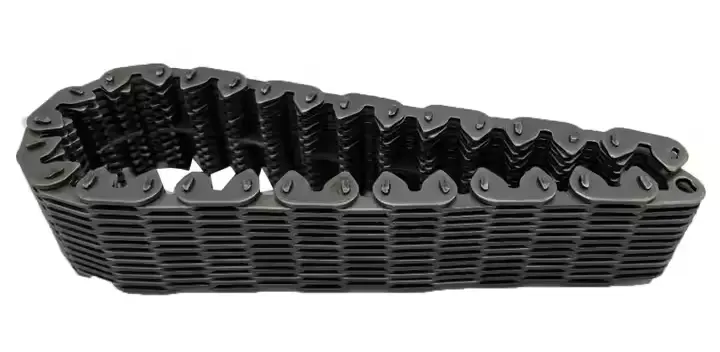
Inverted tooth chains are designed to provide high-power transmission capabilities and operate at high speeds. These chains are commonly used in industrial machinery and power transmission applications. Inverted tooth chains have a unique tooth profile that ensures smooth engagement and high wear resistance. They are made of high-quality materials, such as case-hardened alloy steels, to provide high strength and durability.
Diagnosing Problems in Inverted Tooth Chain Systems
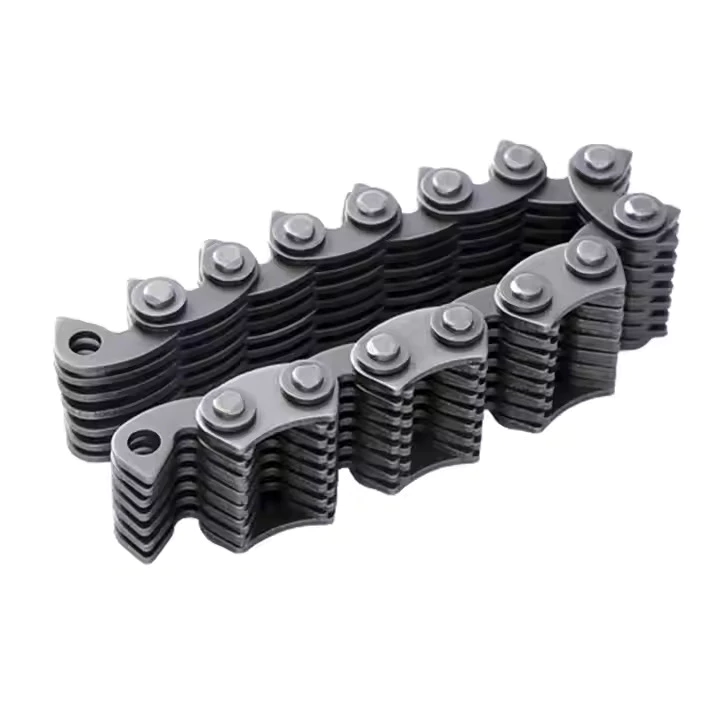
Diagnosing problems in inverted tooth chain systems requires a systematic approach. The following are some tips on how to diagnose problems in inverted tooth chain systems:
Step 1: Check for Chain Elongation
One of the most common problems in inverted tooth chain systems is chain elongation. Chain elongation can result from wear and tear or inadequate lubrication. Check for chain elongation by measuring the distance between several chain pins. If the distance is greater than the chain manufacturer's specifications, the chain has elongated and needs to be replaced.
Step 2: Check for Chain Wear
Chain wear can result from inadequate lubrication or the use of low-quality chains. Check for chain wear by measuring the thickness of the chain. If the thickness is less than the chain manufacturer's specifications, the chain has worn out and needs to be replaced.
Step 3: Check for Tooth Wear
Tooth wear can result from inadequate lubrication or the use of low-quality chains. Check for tooth wear by inspecting the tooth profile. If the tooth profile is worn out, the chain has worn out and needs to be replaced.
Step 4: Check for Misalignment
Misalignment can result from improper installation or worn-out sprockets. Check for misalignment by inspecting the alignment of the sprockets. If the sprockets are misaligned, the chain will not operate smoothly and needs to be realigned or the sprockets need to be replaced.
Step 5: Check for Broken Teeth
Broken teeth can result from shock loads or inadequate lubrication. Check for broken teeth by inspecting the chain's tooth profile. If there are broken teeth, the chain needs to be replaced.
Conclusion
Diagnosing problems in inverted tooth chain systems is essential to ensure that the system operates smoothly and reliably. By following the steps outlined in this article, you can diagnose problems in inverted tooth chain systems and take appropriate action to prevent system failure.
Sprockets for Silent Chains
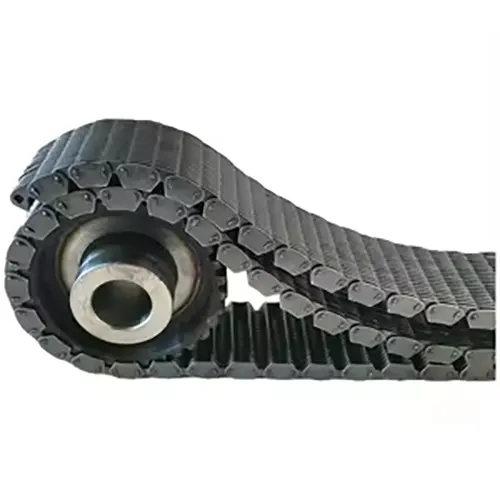
Silent chain sprockets and inverted tooth chains complement each other to form a reliable and efficient power transmission system. Silent chain sprockets have unique tooth profiles that ensure smooth engagement with the chain and minimize the risk of tooth jumping. These sprockets are designed to operate quietly and efficiently, making them suitable for applications where noise reduction is critical. At RP Techniek BV, we offer a wide range of silent chain sprockets to complement our range of inverted tooth chains. Our sprockets are made of high-quality materials, such as case-hardened alloy steels, to provide high strength and durability.
About Us
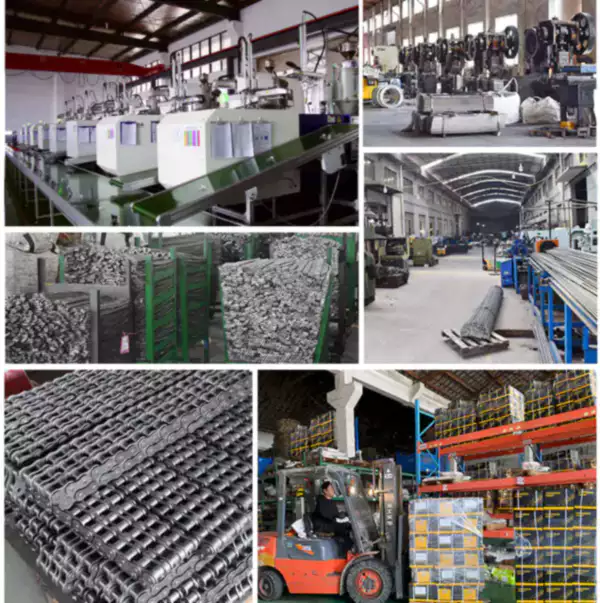
RP Techniek BV is the Netherlands sales agent of the Ever-power Group. We are a leading supplier of silent chains and related components, serving customers worldwide. Our products are exported to markets such as the United States, Canada, Japan, Korea, Brazil, and Australia, where we have developed a reputation for providing competitive pricing and high-quality products. Our range of products includes inverted tooth chains, silent chains, and sprockets for various applications. We pride ourselves on providing excellent customer service and technical support.
Q&A
Q1. What are the primary types of inverted tooth chains?
A1. The primary types of inverted tooth chains are silent chains and inverted tooth chains.
Q2. What is the difference between silent chains and inverted tooth chains?
A2. Silent chains are designed to operate quietly, while inverted tooth chains are designed to provide high-power transmission capabilities.
Q3. What are the common problems in inverted tooth chain systems?
A3. The common problems in inverted tooth chain systems are chain elongation, chain wear, tooth wear, misalignment, and broken teeth.
Q4. How do you diagnose chain elongation?
A4. You can diagnose chain elongation by measuring the distance between several chain pins. If the distance is greater than the chain manufacturer's specifications, the chain has elongated and needs to be replaced.
Q5. How do silent chain sprockets complement inverted tooth chains?
A5. Silent chain sprockets have unique tooth profiles that ensure smooth engagement with the chain and minimize the risk of tooth jumping. These sprockets are designed to operate quietly and efficiently, making them suitable for applications where noise reduction is critical.
Edited by: Zqq.