The Basics
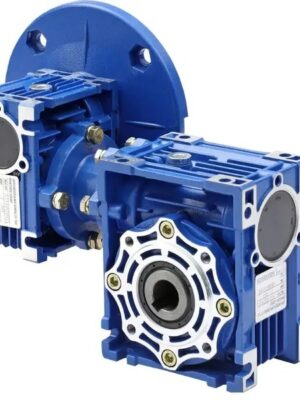
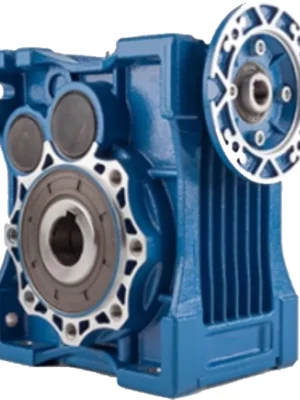
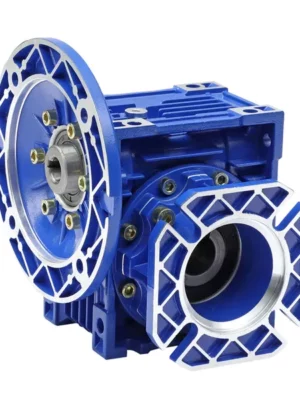
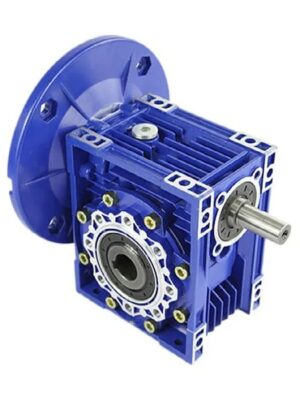
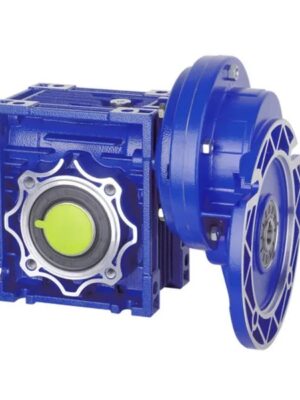
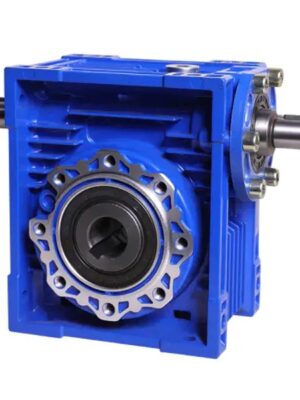
Helical gears and worm gears are two common types of gears used in various mechanical systems. While both gears have their own unique characteristics and applications, there are several key differences between them.
1. Tooth Configuration
Helical gears have teeth that are cut at an angle, forming a helix shape. This helical tooth configuration allows for smoother and quieter operation compared to other gear types. On the other hand, worm gears have a distinct screw-like structure, with the teeth running in a helical pattern along the cylindrical gear body.
2. Power Transmission
Helical gears are ideal for applications that require high power transmission and efficiency. The helical tooth design allows for greater load capacity and smoother power transfer, making them suitable for heavy-duty machinery. Worm gears, on the other hand, are commonly used in applications where high reduction ratios are required.
3. Efficiency
Due to their helical tooth configuration, helical gears offer higher efficiency compared to worm gears. The sliding action of worm gears can result in greater friction and energy loss, leading to lower overall efficiency.
4. Backlash
Helical gears have very low backlash, which refers to the amount of play or clearance between gear teeth. This low backlash makes helical gears more precise and ensures accurate positioning. Worm gears, however, tend to have higher backlash due to the nature of their design.
5. Direction of Rotation
Helical gears can transmit power in both directions, allowing for bidirectional rotation. This makes them suitable for applications that require reversing motion. Worm gears, on the other hand, typically allow for unidirectional power transmission.
6. Lubrication
Helical gears require regular lubrication to ensure smooth operation and prevent wear. Worm gears, on the other hand, have a unique self-locking property that eliminates the need for external lubrication in certain applications.
7. Applications
Helical gears are commonly used in various industries, including automotive, aerospace, and industrial machinery. They are suitable for applications such as power transmission, conveyors, and gearboxes. Worm gears are often found in applications such as elevators, conveyor systems, and heavy machinery where high reduction ratios are required.

Electric Motors for Sale
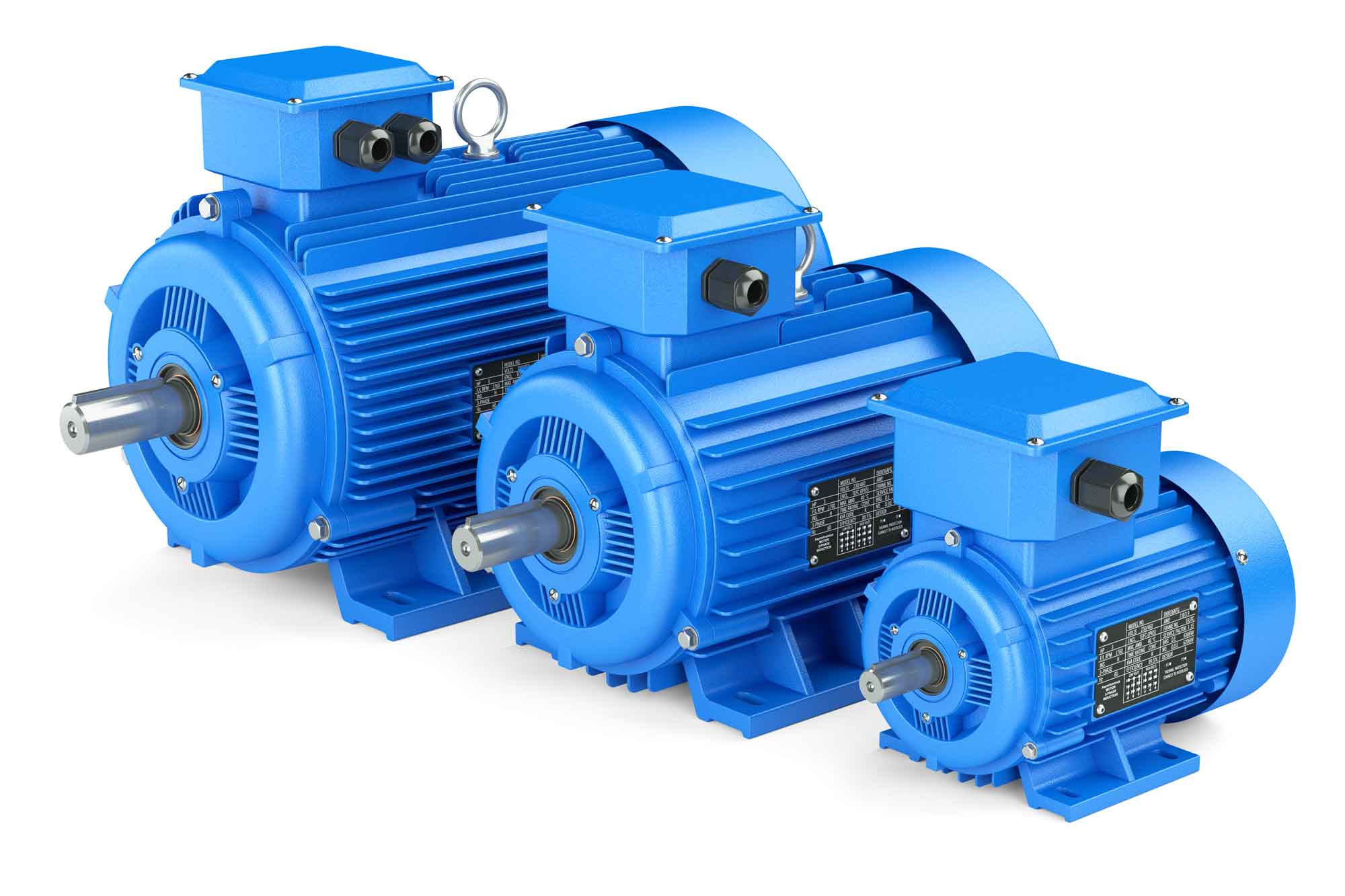
Electric motors play a crucial role in the functioning of gearboxes. They provide the necessary power to drive the gears and ensure smooth operation. The relationship between gearboxes and electric motors is symbiotic, as they rely on each other for efficient performance. The gearbox converts the high-speed, low-torque output of the motor into low-speed, high-torque output, enabling the motor to drive heavy loads effectively.
At our company, we offer a wide range of electric motors that are compatible with our gearboxes. These motors are carefully designed and manufactured to provide optimal performance and reliability. We understand the importance of having a well-matched motor and gearbox system, and our team of experts can assist you in selecting the right motor for your specific application.
About Us
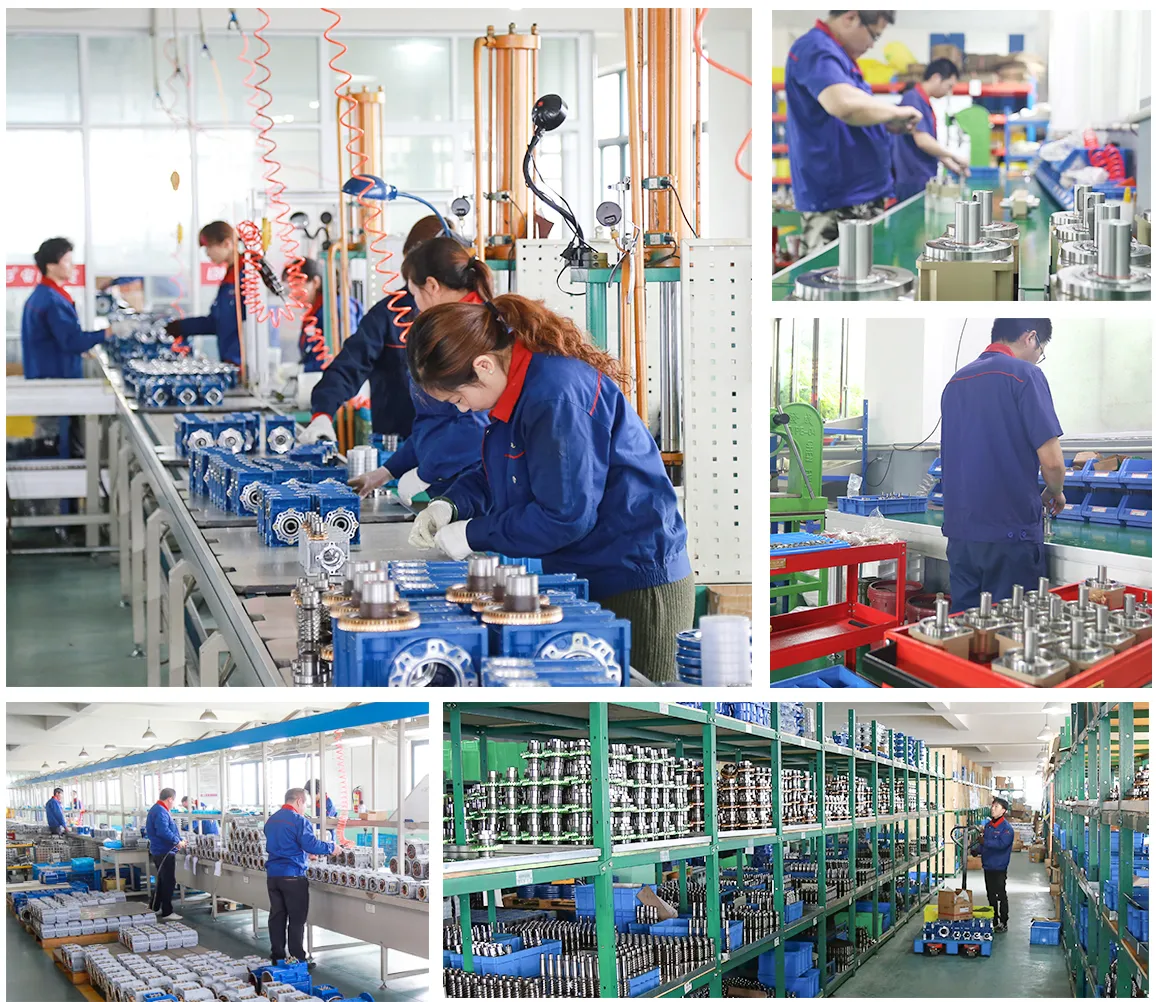
RP Techniek BV is the Netherlands sales agent for Ever-power Group. We specialize in the production and sales of worm gearboxes. With our state-of-the-art production facilities and a team of skilled professionals, we are committed to delivering high-quality gearboxes that meet the demands of our customers.
Our gearboxes are widely used in various industries worldwide, and we have earned a reputation for providing top-notch service, exceptional product quality, and competitive prices. We take pride in our extensive experience, innovative approach, and commitment to customer satisfaction.
Ever-power is a comprehensive transmission equipment manufacturer integrating research and development, manufacturing, and sales of speed reducers. We have more than 25 years of experience in the design, production, and sales of gearboxes, serving customers in Europe, America, Africa, Asia, and other regions. Our consistent mission and vision have driven us to invest in advanced production and testing equipment, employ industry professionals, and adhere to standardized production management methods.
Our gearboxes find applications in various industries, including equipment industry, food industry, car washing industry, packaging industry, transmission industry, automation industry, and solar energy industry. We welcome customers to explore our products and contact us for purchases.
Q&A
Q: Can helical gears be used for high reduction ratios?
A: While helical gears are not typically used for high reduction ratios, they can be paired with other gear types, such as planetary gears, to achieve the desired reduction.
Q: Are worm gears suitable for high-speed applications?
A: Worm gears are generally not recommended for high-speed applications due to their sliding action, which can generate heat and increase wear.
Q: Do helical gears require regular maintenance?
A: Yes, helical gears need regular lubrication and periodic inspection to ensure optimal performance and longevity.
Q: Can worm gears be used for bidirectional motion?
A: In some cases, worm gears can be designed to allow bidirectional motion by using a double-enveloping worm gear design.
Q: Which gear type is more suitable for applications requiring high precision?
A: Helical gears are generally considered more suitable for applications requiring high precision due to their low backlash and smoother operation.
Edited by: Zqq.