1. Introduction
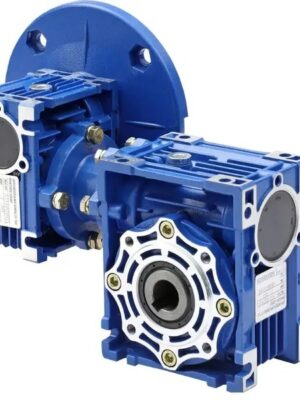
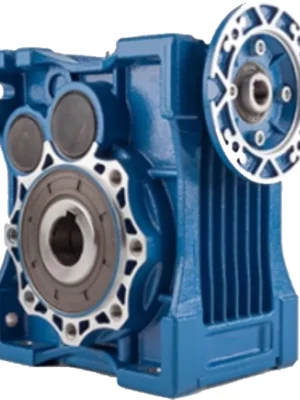
In the realm of manufacturing, gearbox production holds a vital role, providing the necessary power transmission for countless machinery applications. However, it is imperative to consider the environmental impact of gearbox manufacturing to ensure sustainable practices are employed. This article explores the various environmental considerations associated with gearbox manufacturing.
2. Material Selection for Gearbox Components
The choice of materials used in gearbox manufacturing greatly influences its environmental impact. Opting for eco-friendly materials such as recycled metals or biodegradable polymers can significantly reduce the carbon footprint associated with gearbox production. Additionally, selecting lightweight materials can help minimize energy consumption during operation.
3. Energy Efficiency in Gearbox Design
Efficiency is a crucial aspect of gearbox manufacturing to reduce energy consumption and subsequent environmental impact. Implementing advanced design techniques, such as optimizing gear tooth profiles and reducing friction losses, can enhance the overall efficiency of gearboxes, resulting in reduced energy usage.
4. Sustainable Manufacturing Processes
Adopting sustainable manufacturing processes is essential for minimizing the environmental footprint of gearbox production. Utilizing renewable energy sources, implementing waste management systems, and reducing water usage are some of the strategies that can be employed to achieve sustainable manufacturing practices.
5. Lifecycle Assessment and End-of-Life Management
To assess the environmental impact comprehensively, a lifecycle approach must be employed. Conducting a lifecycle assessment helps to identify areas for improvements in terms of energy efficiency, material selection, and waste management. Proper end-of-life management, including recycling and disposal, is also crucial to minimize the environmental impact of gearboxes.
6. Environmental Regulations and Compliance
Complying with environmental regulations is of paramount importance in gearbox manufacturing. Ensuring adherence to local and international environmental standards helps prevent pollution, reduces the release of harmful substances, and promotes sustainable practices throughout the industry.
7. Environmental Impact of Gearbox Usage
While gearbox manufacturing has its environmental considerations, it is crucial to acknowledge the environmental impact during usage as well. Proper maintenance, lubrication, and monitoring of gearboxes can help optimize their performance and minimize energy consumption, resulting in a reduced overall environmental footprint.
8. Conclusion
Gearbox manufacturing plays a significant role in various industries, and by considering the environmental aspects, we can ensure a sustainable future. Through material selection, energy-efficient design, sustainable manufacturing processes, lifecycle assessment, adherence to regulations, and responsible usage, we can minimize the environmental impact associated with gearbox manufacturing while meeting the needs of modern industries.

Electric Motors for Sale
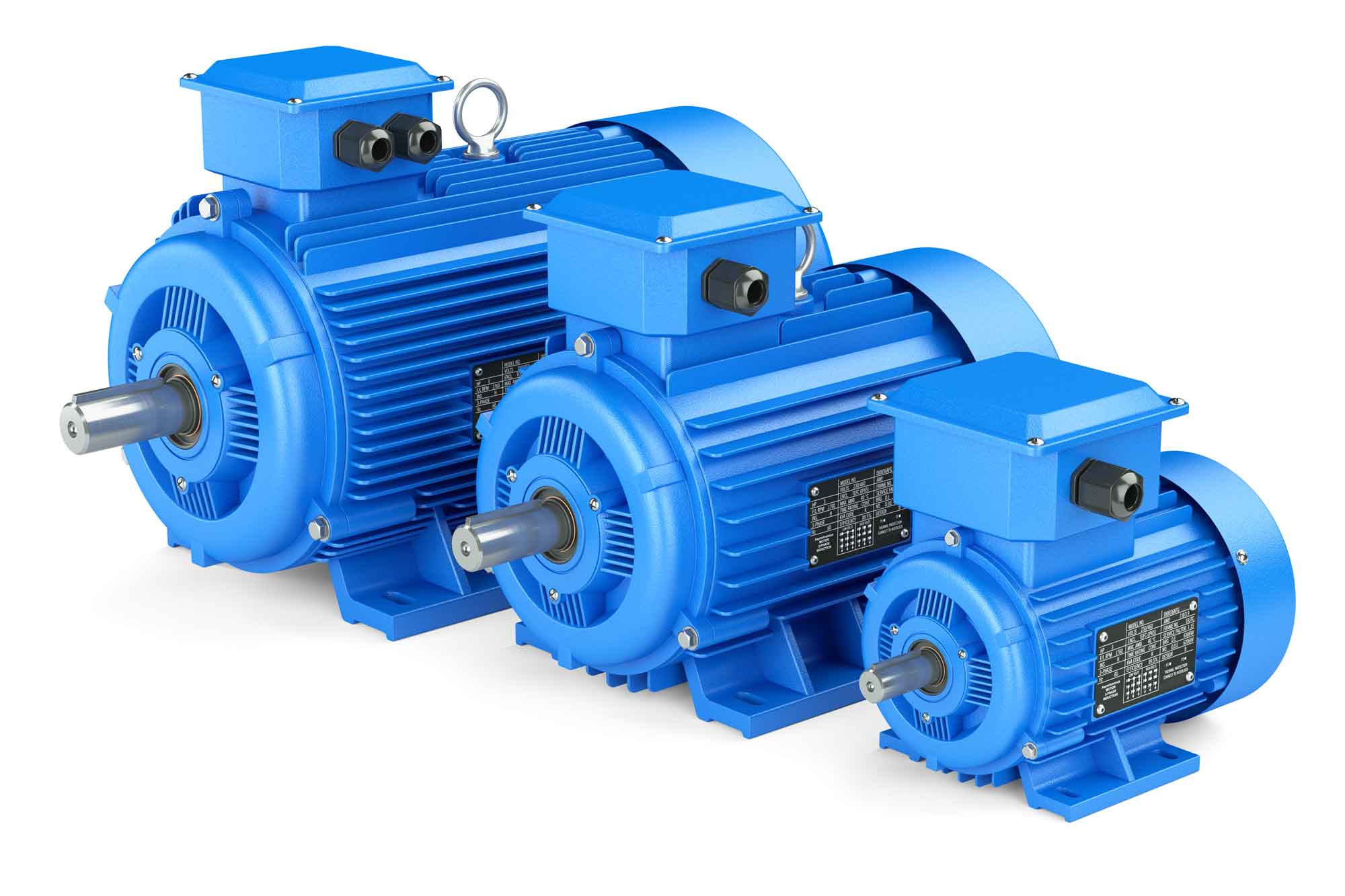
Gearboxes and electric motors go hand in hand, forming a crucial partnership in the realm of power transmission. The efficient functioning of gearboxes relies on the reliable performance of electric motors, while electric motors rely on gearboxes to optimize torque and speed. This interdependence highlights the importance of selecting the right gearbox and electric motor combination for specific applications, ensuring optimal performance and energy efficiency.
At our company, we understand the significance of this partnership, and as a leading provider of gearbox solutions, we also offer a wide range of electric motors for sale. Whether it’s a high-speed application requiring a compact motor or a heavy-duty industrial setup demanding robust motor performance, we have the right electric motors to complement our gearbox offerings. Our electric motors are meticulously designed and manufactured to meet the highest industry standards, ensuring reliability, efficiency, and longevity.
About Us
RP Techniek BV, our Netherlands sales agent, is an integral part of the Ever-power Group. Specializing in the production and sales of gearboxes, our company has built a strong reputation for delivering top-quality products, excellent customer service, and competitive prices.
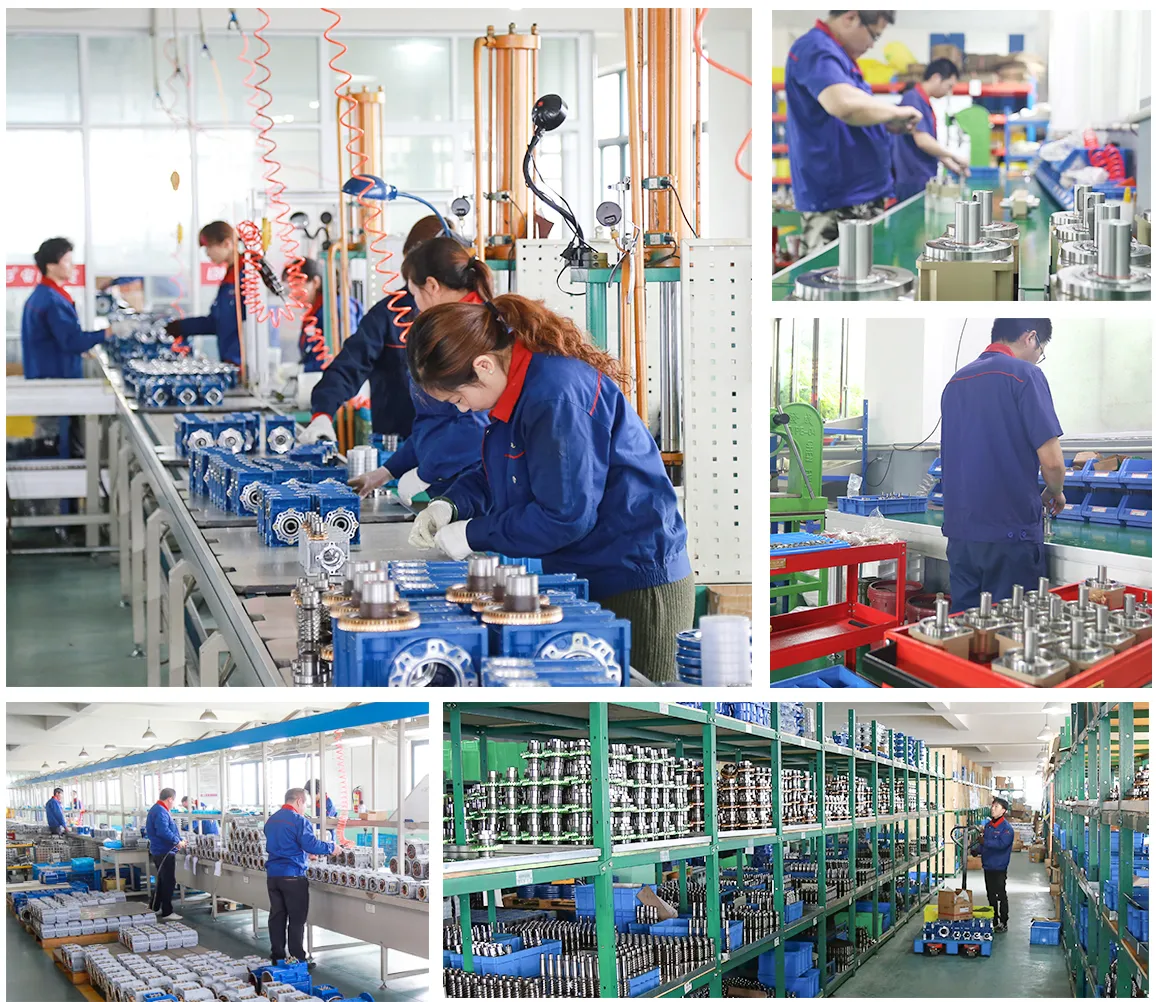
With over 25 years of experience, we have established ourselves as a comprehensive transmission equipment manufacturer catering to customers across Europe, America, Africa, Asia, and beyond. Our commitment to innovation and excellence is evident in our state-of-the-art production facilities, advanced research and development capabilities, and a team of industry professionals and technicians.
At Ever-power, we take pride in our ability to provide high-quality, energy-efficient, and reliable gearboxes that find applications in various industries such as equipment, food, packaging, automation, solar energy, and more. We strive to exceed customer expectations by offering superior products, unrivaled service, and competitive prices.
Trust in our expertise, explore our products, and contact us today to experience the power of our gearboxes and electric motors.
Q&A
Q1: What are the key considerations when selecting materials for gearbox components?
A1: When choosing materials for gearbox components, factors such as strength, durability, and environmental impact must be evaluated. Opting for sustainable materials like recycled metals or biodegradable polymers can minimize the carbon footprint and promote eco-conscious manufacturing.
Q2: How can energy efficiency be improved in gearbox design?
A2: Enhancing energy efficiency in gearbox design involves optimizing gear tooth profiles, reducing friction losses, and utilizing advanced lubrication techniques. These measures help minimize energy waste and improve overall system performance.
Q3: What are some examples of sustainable manufacturing processes for gearboxes?
A3: Sustainable manufacturing processes for gearboxes include the use of renewable energy sources, implementing waste management systems, recycling materials, and reducing water consumption in production facilities.
Q4: How can lifecycle assessment benefit gearbox manufacturing?
A4: Lifecycle assessment allows for a comprehensive evaluation of the environmental impact of gearboxes throughout their entire lifespan. It helps identify areas for improvement in terms of energy efficiency, material selection, and waste management.
Q5: What role does proper maintenance play in minimizing the environmental impact of gearboxes?
A5: Regular maintenance, including proper lubrication and monitoring, can optimize gearbox performance, reduce energy consumption, and extend the lifespan of gearboxes. This, in turn, minimizes the overall environmental impact by avoiding premature replacements.
Edited by: Zqq.