Introduction:
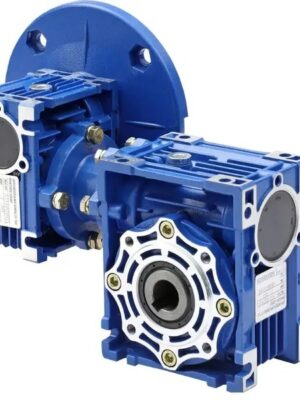
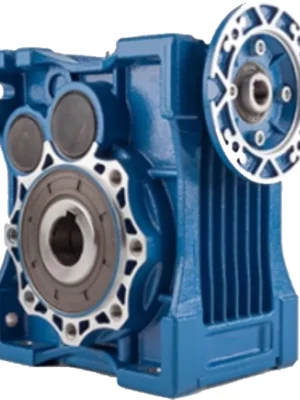
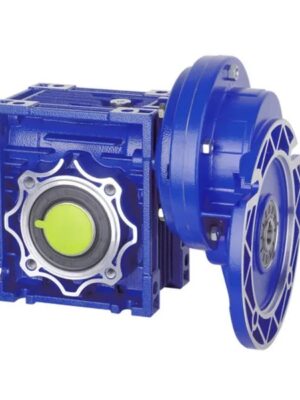
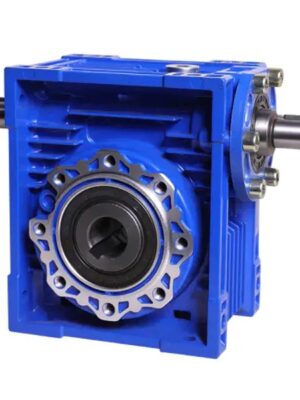
A double worm reduction gearbox is a type of gearbox widely used in various industries for its efficiency and versatility. Made up of several key components, this type of gearbox plays a crucial role in transmitting power and controlling speed. In this article, we will explore the key components of a double worm reduction gearbox and their functions.
1. Worm Shaft
The worm shaft is a cylindrical shaft that carries the worm gear. It is made of high-quality steel, ensuring durability and strength. The worm shaft transfers rotational motion to the worm gear, enabling power transmission within the gearbox.
2. Worm Gear
The worm gear, also known as the worm wheel, is a toothed gear that meshes with the worm shaft. It is typically made of bronze or other wear-resistant materials. The worm gear converts the rotational motion of the worm shaft into a perpendicular motion, allowing for speed reduction and torque amplification.
3. Housing
The housing, often made of cast iron or aluminum alloy, encloses the worm shaft and worm gear. It provides support and protection to the internal components of the gearbox. The housing also acts as a reservoir for lubricating oil, ensuring smooth operation and reducing friction.
4. Bearings
Bearings are essential components that support the rotating shafts and gears within the gearbox. They minimize friction and allow for smooth motion. High-quality bearings are used to maximize efficiency and reduce wear and tear.
5. Seals
Seals are used to prevent lubricating oil from leaking out of the gearbox and to prevent contaminants from entering. They are typically made of rubber or other flexible materials that provide a tight seal while allowing for some movement of the shafts and gears.
6. Lubrication System
A proper lubrication system is crucial for the smooth operation and longevity of the double worm reduction gearbox. It ensures that all moving parts are adequately lubricated, reducing friction and wear. The lubrication system typically includes oil reservoirs, oil pumps, and filters.
7. Input and Output Shafts
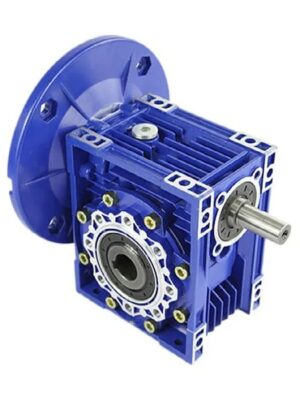
The input shaft connects the gearbox to the power source, such as an electric motor or an internal combustion engine. The output shaft transfers the power from the gearbox to the driven machinery. Both shafts are carefully designed to handle the torque and rotational forces.
8. Gears and Pinions
Within the gearbox, various gears and pinions are used to transmit power and control the speed. These gears and pinions are precisely machined and mesh together to ensure smooth and efficient power transmission.
9. Cooling System
In some applications, a cooling system is incorporated into the double worm reduction gearbox to dissipate heat generated during operation. This helps maintain the optimal operating temperature and prevents overheating.
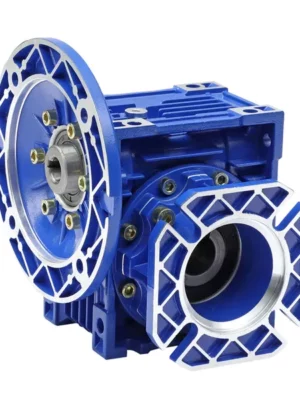
10. Mounting Flanges
Mounting flanges are used to securely attach the gearbox to the driven machinery. They provide stability and alignment, ensuring proper functioning of the gearbox.

Electric Motors for Sale
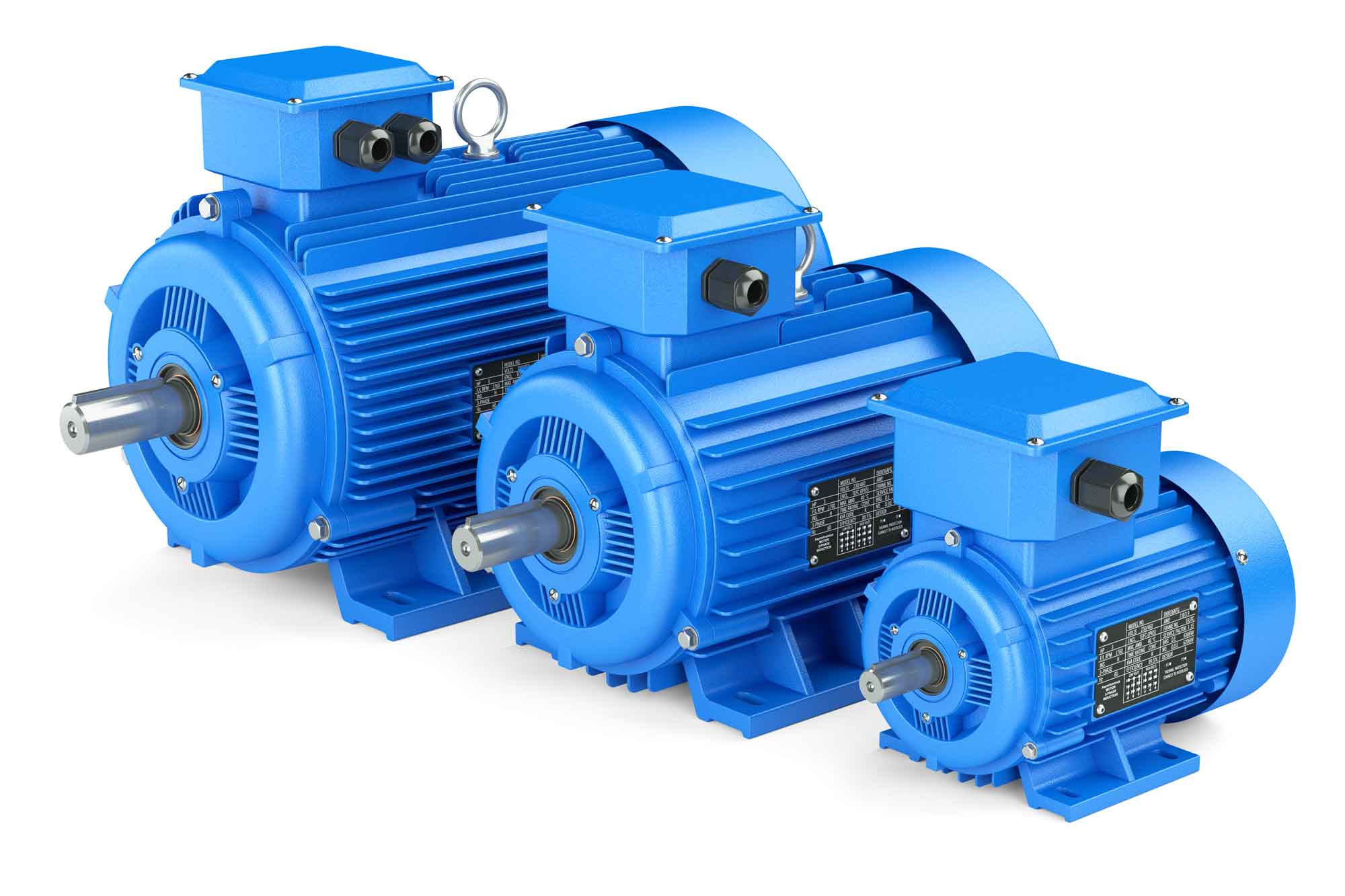
The relationship between gearboxes and electric motors is symbiotic, with each component playing a vital role in various applications. Gearboxes, such as the double worm reduction gearbox, provide speed reduction and torque amplification, enabling electric motors to operate efficiently in different load conditions. Conversely, electric motors supply the necessary power to drive the gearbox, allowing for precise control and smooth operation. At our company, we offer a range of electric motors that are perfectly matched with our gearboxes, ensuring optimal performance and reliability.
About Us
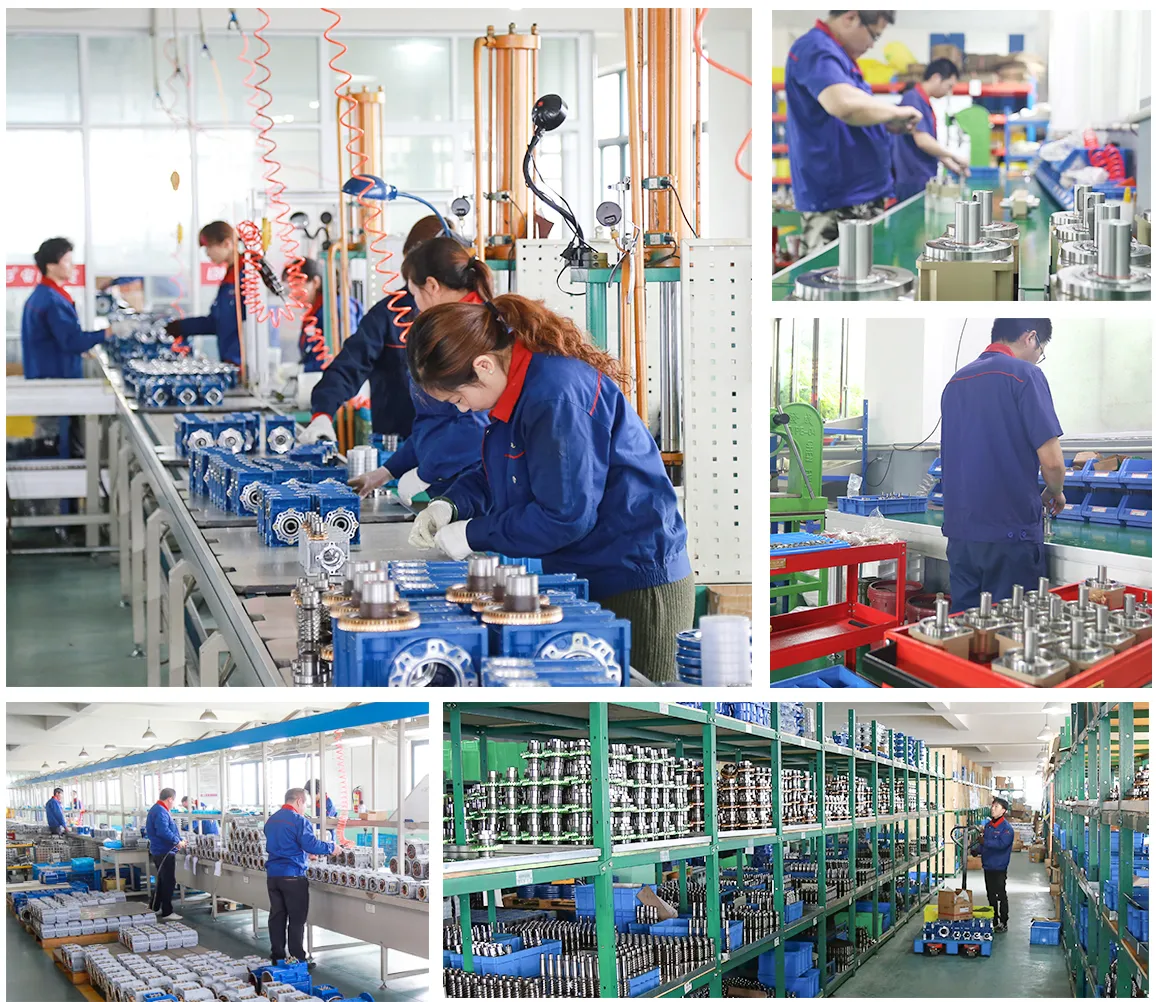
RP Techniek BV is the sales agent of Ever-power Group in the Netherlands. As a leading manufacturer of transmission equipment, Ever-power has over 25 years of experience in designing, producing, and selling gearboxes. With a strong presence in Europe, America, Africa, and Asia, we have established a reputation for providing high-quality products, excellent service, and competitive prices. Our state-of-the-art production facilities and dedicated team of professionals enable us to meet the diverse needs of our customers.
Our gearboxes, including the double worm reduction gearbox, are widely used in industries such as equipment manufacturing, food processing, car washing, packaging, automation, solar energy, and more. We strive to deliver products that are energy-efficient, reliable, and tailored to meet specific requirements. Explore our products today and contact us for purchase inquiries.
Q&A
Q1: What are the advantages of using a double worm reduction gearbox?
A1: A double worm reduction gearbox offers high gear reduction ratios, precise speed control, and compact design, making it suitable for applications requiring high torque and low speed.
Q2: Can a double worm reduction gearbox be used for bidirectional rotation?
A2: Yes, a double worm reduction gearbox can transmit power in both directions, making it versatile for various applications.
Q3: How can I determine the appropriate size of a double worm reduction gearbox for my application?
A3: The size of the gearbox depends on factors such as the required torque, input speed, and the type of load. Consulting with our technical team will ensure the selection of the right gearbox size.
Q4: What maintenance is required for a double worm reduction gearbox?
A4: Regular inspection, lubrication, and replacement of worn-out components, such as seals and bearings, are essential for the proper maintenance of a double worm reduction gearbox.
Q5: Can I customize a double worm reduction gearbox to fit my specific application?
A5: Yes, our company offers customization services to meet the unique requirements of different industries. Contact us with your specifications, and our team will assist you in designing a gearbox that suits your application.
Edited by: Zqq.