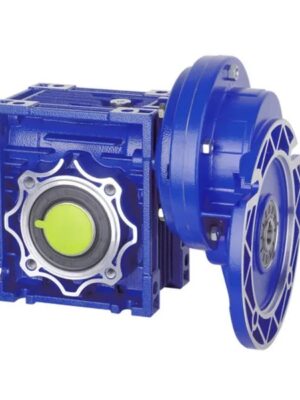
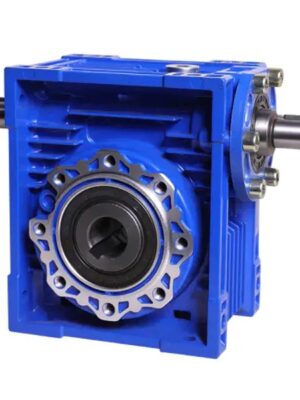
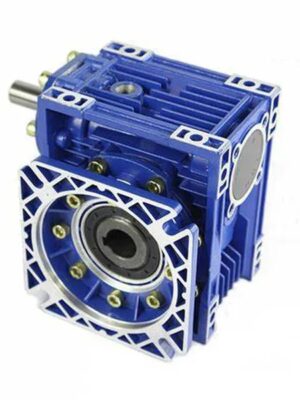
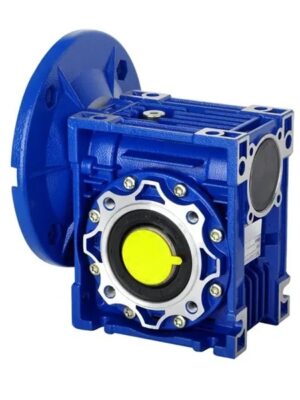
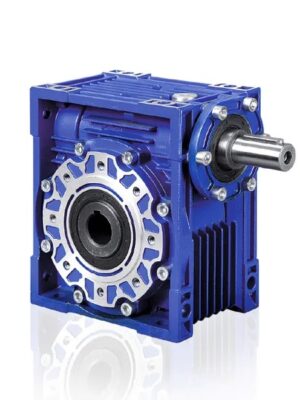
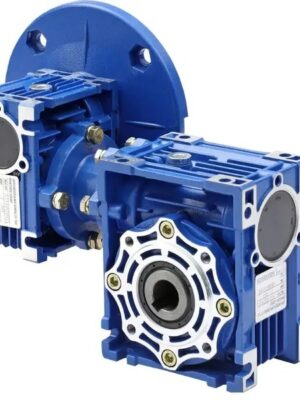
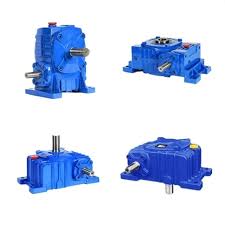
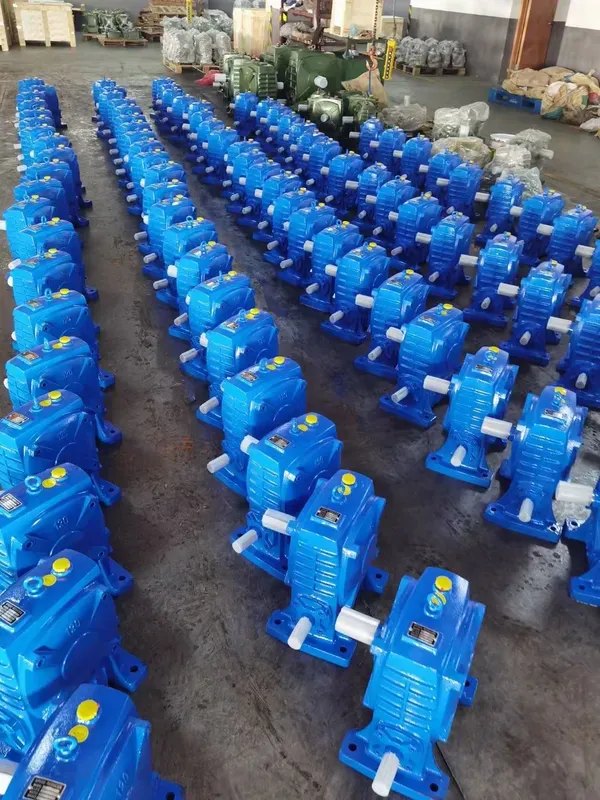
The WP series cast iron worm gearbox is widely used in many industries due to its high efficiency and compact size. However, sometimes it may encounter problems during its operation. In this article, we will discuss how to troubleshoot a WP series cast iron worm gearbox.
1. Inspect the Gearbox
The first step in troubleshooting a WP series cast iron worm gearbox is to thoroughly inspect the gearbox. This includes checking for any damage to the housing or bearings, and examining the gears and shafts for wear or damage. In addition, inspect the seals for any signs of leaks. If you find any damage or wear, you should replace the damaged parts immediately.
1.1 Check the Housing and Bearings
Start by inspecting the housing and bearings. Look for any cracks or signs of damage to the housing. Check the bearings for any wear or damage. If you find any issues with the housing or bearings, replace them as soon as possible.
1.2 Examine the Gears and Shafts
Next, examine the gears and shafts for any wear or damage. Look for any chips or cracks in the gears. Check the shafts for any bending or other signs of damage. If you find any issues with the gears or shafts, replace them immediately.
1.3 Inspect the Seals
Finally, inspect the seals for any signs of damage or leaks. Look for any cracks or tears in the seals. Check for any signs of oil leakage around the seals. If you find any issues with the seals, replace them as soon as possible.
2. Check the Lubrication
The next step in troubleshooting a WP series cast iron worm gearbox is to check the lubrication. Lack of lubrication can cause excessive wear and damage to the gears and bearings. Check the lubrication level and quality. If the lubrication is low or contaminated, replace it immediately.

2.1 Check the Lubrication Level
Start by checking the lubrication level. Ensure that the gearbox is properly filled with lubrication. If the level is low, add lubrication until the correct level is reached.
2.2 Check the Lubrication Quality
Next, check the quality of the lubrication. Look for any signs of contamination or degradation of the lubrication. If the lubrication is contaminated or degraded, replace it immediately.
3. Inspect the Motor-Driven Equipment
If the above steps have not resolved the problem, the next step is to inspect the motor-driven equipment. The motor-driven equipment includes the motor, coupling, and driven equipment. Check for any damage or wear in these components.

3.1 Check the Motor
Start by inspecting the motor. Look for any signs of damage or wear. Check the motor bearings for any wear or damage. If you find any issues with the motor, replace it as soon as possible.
3.2 Check the Coupling
Next, check the coupling. Look for any signs of damage or wear. Check the coupling for any misalignment. If you find any issues with the coupling, replace it as soon as possible.
3.3 Check the Driven Equipment
Finally, check the driven equipment. Look for any signs of damage or wear. Check for any misalignment between the gearbox and the driven equipment. If you find any issues with the driven equipment, replace it as soon as possible.
Electric motors for Sale
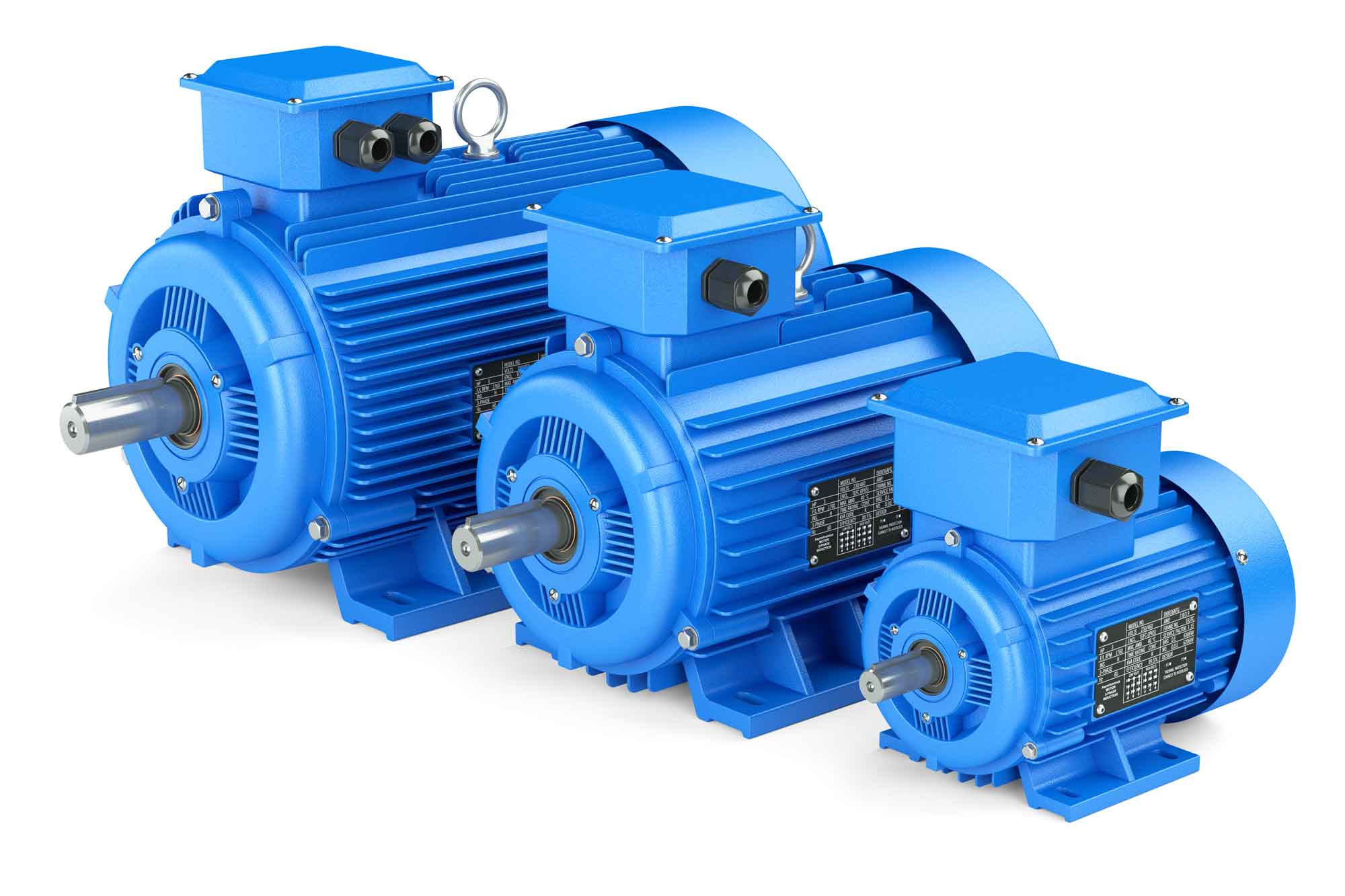
The WP series cast iron worm gearbox and electric motor work hand in hand to provide efficient power transmission. We at Ever Power not only offer WP series cast iron worm gearboxes but also electric motors for sale. Our electric motors are designed to work seamlessly with our gearboxes, providing customers with the best power transmission solutions.
Ever Power is a comprehensive transmission equipment manufacturer with over 25 years of experience in the design, production, manufacture, and sales of gearboxes. Our gearboxes are widely used in various industries, including equipment industry, food industry, car washing industry, packaging industry, transmission industry, automation industry, solar energy industry, and more. We have served customers in Europe, America, Africa, Asia, and other regions, and have won the praise of the market.
At Ever Power, we are committed to providing our customers with high-quality, high-energy-efficiency, and high-stability production of gearboxes. We use standardized production management methods to strictly control every aspect of the production of reducers. Our team of industry professionals and technicians carries out innovative research and development and manufacturing, employing advanced production equipment and testing equipment at home and abroad. We provide our customers with the highest level of service, product quality, and competitive prices.
Q&A
Q1: Why is my WP series cast iron worm gearbox making a loud noise?
A1: A loud noise from the WP series cast iron worm gearbox could be due to several reasons, including worn gears, insufficient lubrication, or misaligned motor-driven equipment. You will need to inspect the gearbox, lubrication, motor, coupling, and driven equipment to determine the cause of the noise.
Q2: How often should I replace the lubrication in my WP series cast iron worm gearbox?
A2: The lubrication in the WP series cast iron worm gearbox should be replaced regularly, depending on the operating conditions and environment. It is recommended to replace the lubrication every 6 to 12 months or after 1000 hours of operation.
Q3: Can I use any electric motor with the WP series cast iron worm gearbox?
A3: While it is possible to use any electric motor with the WP series cast iron worm gearbox, it is recommended to use an electric motor that is designed to work with the gearbox for optimal performance and efficiency.
Edited by: Zqq.