
Temperature change is a symptom; the investigation should separate new load, oil problems, ventilation and mechanical alignment. Comparing different shifts without load data can make a false fault diagnosis. Refer to the reducer overheating diagnosis guidance. Use the same location and instrument method for repeated readings. Investigate new duty before adding cooling equipment.
Reproduce the operating condition
Inspect ventilation and deposits
Confirm the remedy by a full-duty test
Reproduce the operating condition
A surface reading is only useful when the drive speed and production load are known; a reducer may appear warmer simply because throughput increased after a process upgrade.
Comparing different shifts without load data can make a false fault diagnosis; record process recipe, output rpm and motor current with each temperature.

Use the same location and instrument method for repeated readings; identify a genuine upward trend at comparable load; an unsupported alarm limit is not an engineering acceptance criterion.
Check process overload and transients
Increased product friction or frequent starts can raise energy losses; a jam-prone screw conveyor may heat between interventions even if its average rate is unchanged.
A motor can continue turning while overloading the reducer during repeated transients; collect torque proxies, start count and process upset history.
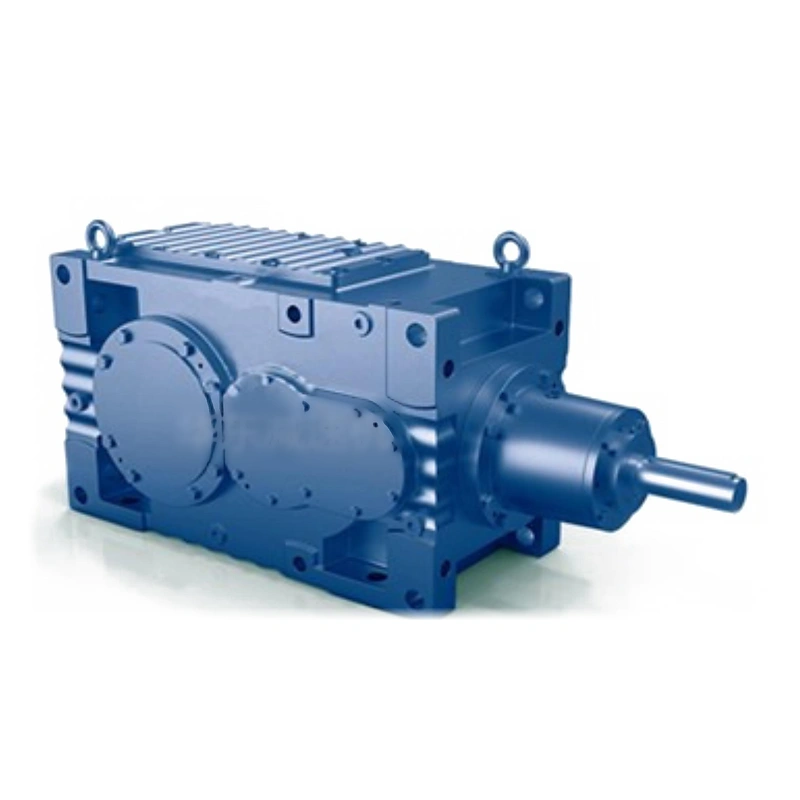
Compare documented duty against rated mechanical and thermal envelopes; investigate new duty before adding cooling equipment; ignoring load change may hide the primary cause of heat.
Verify mounting-specific oil level
Both insufficient and excessive oil can change friction and cooling behavior; a recent service using the wrong plug may overfill a housing.
Adding oil without checking the correct mounting code can worsen churning; identify the specified level point and orientation.
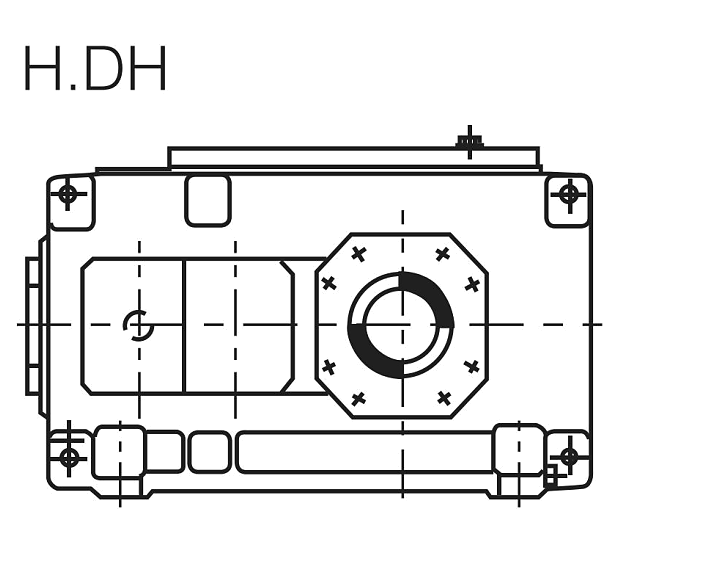
Review refill records and any visible foam or leakage; restore fill to maker instructions under safe isolation; an oil quantity copied from another size is not reliable.
Assess lubricant grade and aging
Oil viscosity, additive condition and contamination affect the lubricated contacts; a recent change to a different product may coincide with a temperature trend.
A superficial similarity in oil grade does not prove approved compatibility; read product identification from maintenance records.
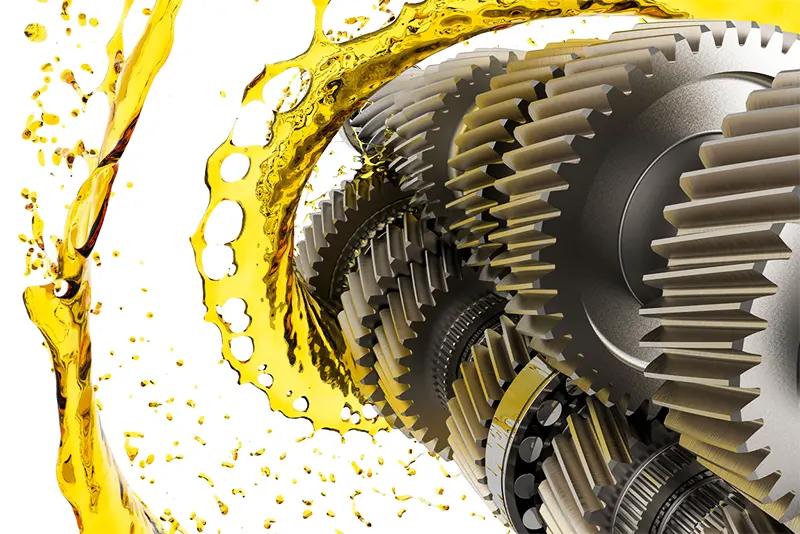
Check approved lubricant and oil-analysis results if available; correct lubricant problems using the unit manufacturer instructions; simply using thinner oil may sacrifice bearing protection.
Inspect ventilation and deposits
A dusty housing or close protective panel changes heat transfer to the air; material deposited on fins or a blocked motor fan can create a new hot spot.
Room temperature alone cannot describe housing cooling; check guard clearance, airflow and adjacent heat sources.
Document external surface condition and local air temperature; restore ventilation without compromising machine guarding; a cooling change must be evaluated along with safety and cleanliness.
Material deposited on fins or a blocked motor fan can create a new hot spot. Room temperature alone cannot describe housing cooling. Examine the reducer overheating diagnosis layout example. Document external surface condition and local air temperature. Restore ventilation without compromising machine guarding.
Look for mechanical side loading
A misaligned coupling or tight belt adds bearing losses; a shaft support moved during maintenance can force the reducer to carry unintended load.
Thermal symptoms may have an external mechanical cause; inspect support fasteners, coupling alignment and external radial loads.
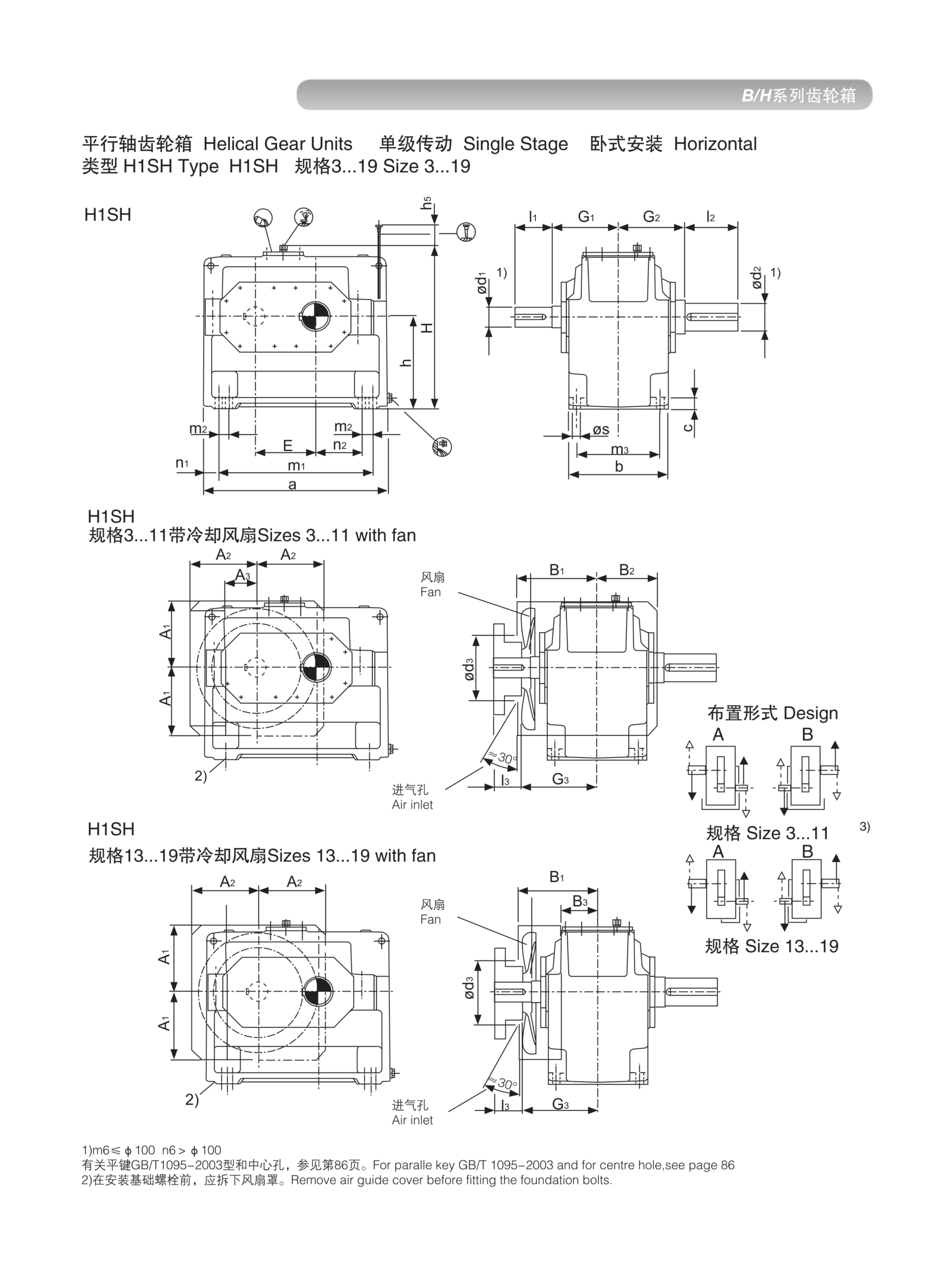
Measure vibration and load under the same process condition; resolve confirmed side loading before replacing internal parts; cooling a strained bearing does not repair the load path.
Distinguish oil and casing temperature
A handheld reading on paint is not the same as oil bulk temperature; local hot spots near bearings differ from average housing heat.
Switching measurement points invalidates comparisons; use repeatable measuring locations and calibrated instruments where needed.
Record oil temperature only where an approved method exists; apply manufacturer limits to the correct measured quantity; misidentified temperature can lead to unnecessary shutdowns or unsafe operation.
Confirm the remedy by a full-duty test
The root cause should be removed and evaluated at the same operating condition; a short unloaded trial can hide a problem that appears after several hours.
Calling a fan or oil change successful without comparable data is premature; record before and after curves at representative sustained load.
Compare motor current, vibration, oil condition and casing temperature; close the case only when agreed acceptance conditions pass; repair documentation becomes the baseline for a later failure investigation.
Illustrative engineering scenario: A plant reducer running hotter than its previous baseline
A reducer on a screw conveyor is reported to be hotter than its historic baseline. The shift supervisor asks maintenance to replace the oil with a lighter grade immediately. The engineer declines to make that change without examining the operating conditions. The current production recipe has recently increased feed rate, and the controller now makes more frequent loaded starts after upstream interruptions. Those changes may raise mechanical demand and heat. The first measurement plan therefore pairs surface temperature with actual output speed, motor current and material throughput. Comparing a hot full-load hour with a cool empty-belt hour would not establish a new gearbox defect.
The gearbox is isolated safely, and the oil level is checked using the port prescribed for its mounted orientation. The service record reveals a recent refill; the technician checks whether the correct product was used and whether the fill volume was verified after installation. The breather and external case are inspected for contamination and blocked airflow. Oil analysis, if available, can help assess water or wear particles, but a dark appearance alone is not a diagnosis. The maintenance engineer also checks whether the output coupling or external bearing was recently moved. A new mechanical side load can increase bearing friction and create heat without any change in the process motor setting.
Suppose the team finds a nearly closed protective enclosure with heavy deposited dust. Restoring safe airflow while leaving all guards compliant may reduce the thermal burden. The effect must be evaluated at the same normal loaded duty. If housing temperature is still high, the manufacturer is asked about the exact gearbox thermal power limit and permissible cooling arrangements. The plant does not install a pump and oil cooler without a pressure, cleanliness and monitoring review. A generic statement that helical gearing is efficient does not prove thermal suitability in this enclosure.
The final work order records the probable cause, the corrective change and evidence after a long enough run to observe the normal temperature trend. The report does not need to guess a universal maximum temperature. It cites the applicable maker instructions and the real measurement location, and it keeps unresolved questions open if the manufacturer data is missing. This preserves a repeatable diagnostic path for the next shift instead of creating a new maintenance rule that may be wrong for another reducer in the plant.
If the abnormal temperature is accompanied by grinding, a significant new leak or rapidly increasing vibration, the site should apply its machinery stop and isolation procedure rather than continue testing for convenience. The investigation must distinguish a controlled diagnostic trial from continued production under an unassessed failure condition. A competent engineer determines what measurements can safely be collected before the equipment is opened or returned to duty.
Five-stage review for a plant reducer running hotter than its previous baseline
- Reproduce the operating conditionRecord process recipe, output rpm and motor current with each temperature. Identify a genuine upward trend at comparable load.
- Check process overload and transientsCompare documented duty against rated mechanical and thermal envelopes. Ignoring load change may hide the primary cause of heat.
- Assess lubricant grade and agingRead product identification from maintenance records. Correct lubricant problems using the unit manufacturer instructions.
- Look for mechanical side loadingMeasure vibration and load under the same process condition. Cooling a strained bearing does not repair the load path.
- Confirm the remedy by a full-duty testRecord before and after curves at representative sustained load. Close the case only when agreed acceptance conditions pass.
Engineering comparison matrix: helical gearbox overheating causes
| Engineering question | Evidence to collect | Review decision |
|---|---|---|
| Reproduce the operating condition | Use the same location and instrument method for repeated readings. | Identify a genuine upward trend at comparable load. |
| Check process overload and transients | Compare documented duty against rated mechanical and thermal envelopes. | Investigate new duty before adding cooling equipment. |
| Verify mounting-specific oil level | Review refill records and any visible foam or leakage. | Restore fill to maker instructions under safe isolation. |
| Assess lubricant grade and aging | Check approved lubricant and oil-analysis results if available. | Correct lubricant problems using the unit manufacturer instructions. |
| Inspect ventilation and deposits | Document external surface condition and local air temperature. | Restore ventilation without compromising machine guarding. |
| Look for mechanical side loading | Measure vibration and load under the same process condition. | Resolve confirmed side loading before replacing internal parts. |
Frequently Asked Questions
Does a hot housing prove that the gearbox is overloaded?
Can I lower gearbox temperature by adding more oil?
When should thermal investigation include the driven machine?
What confirms a successful overheating correction?
What makes a final review credible for a plant reducer running hotter than its previous baseline?
Local hot spots near bearings differ from average housing heat. When comparing actual mounting geometry, use the reducer overheating diagnosis configuration options. Record oil temperature only where an approved method exists.
Record before and after curves at representative sustained load. For an engineering quotation that records the open conditions, contact the technical team about reducer overheating diagnosis. Close the case only when agreed acceptance conditions pass.
Engineering sources for Why a Helical Gearbox Overheats — A Root-Cause Checklist
For the why a helical gearbox overheats: a root-cause checklist workflow, consult these reference documents alongside the actual model installation manual:
- Why a Helical Gearbox Overheats: A Root-Cause Checklist: SEW-EURODRIVE, Lubricant tables (analysis).
- Why a Helical Gearbox Overheats: A Root-Cause Checklist: ABB, Effects of variable speed drives on motors (interface review).
- Why a Helical Gearbox Overheats: A Root-Cause Checklist: SEW-EURODRIVE, Change of mounting position (acceptance checks).