

Detachable chains are integral components in many industrial applications, from agriculture to manufacturing. Choosing the right material is critical for ensuring durability, efficiency, and long-term performance. This article delves into the different materials commonly used for detachable chains and their advantages and limitations.
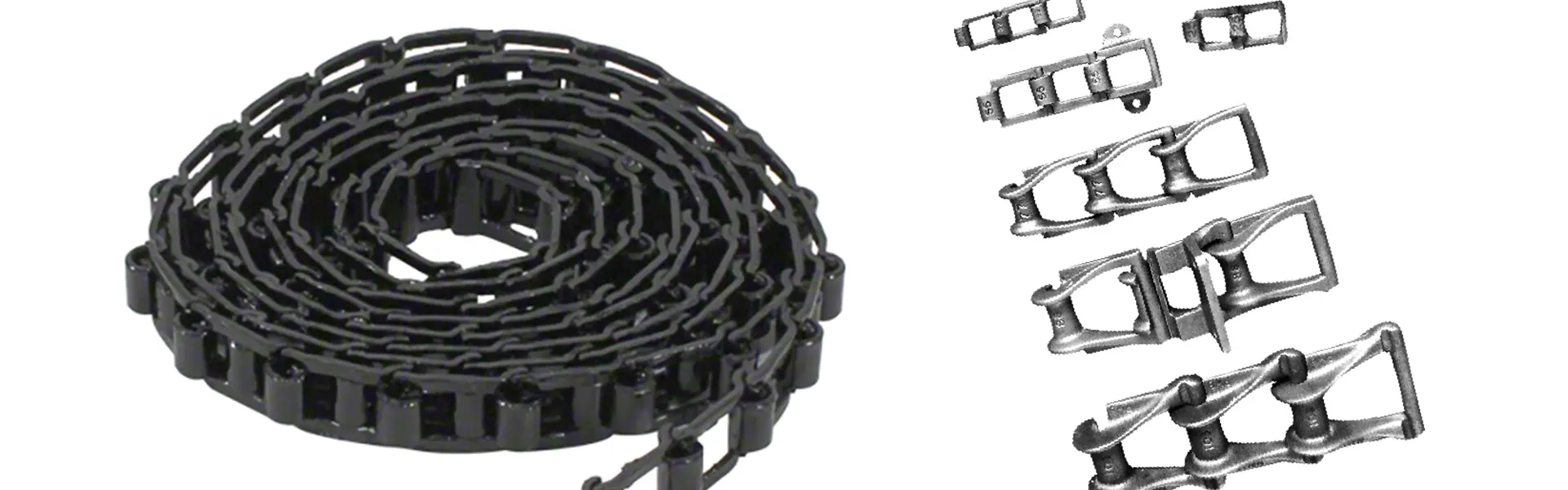

Steel: The Industry Standard
Steel is often the go-to material for detachable chains, valued for its strength and durability. Carbon steel, in particular, offers impressive tensile strength, making it suitable for heavy-duty applications. Hardened steel provides enhanced wear resistance, which is essential in environments where chains are subjected to constant friction and pressure.
Carbon Steel vs. Alloy Steel
While carbon steel offers a balance of affordability and strength, alloy steel includes elements like nickel, chromium, and molybdenum to improve toughness, resistance to corrosion, and overall longevity. Alloy steel chains are used in harsher environments where added protection is needed.
Stainless Steel: Corrosion Resistance Champion
Stainless steel is the material of choice for applications where corrosion is a concern. It is resistant to rust, making it ideal for environments with high moisture or chemical exposure. For industries such as food processing and pharmaceuticals, stainless steel is indispensable due to its cleanliness and resistance to oxidation.
Grades of Stainless Steel
There are various grades of stainless steel, each offering unique properties. 304 stainless steel is commonly used for its general-purpose corrosion resistance, while 316 stainless steel includes molybdenum, offering superior protection against pitting and crevice corrosion. Selecting the right grade depends on the specific environmental challenges.
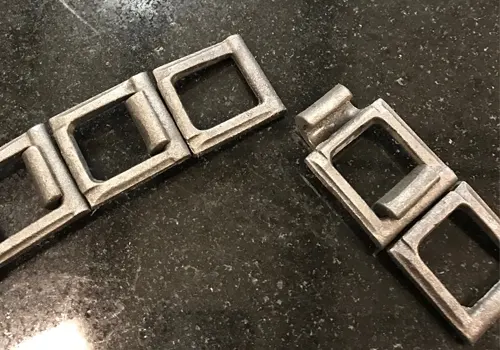

Nylon and Plastic: Lightweight and Flexible Options
For lighter, low-load applications, nylon and plastic materials are sometimes preferred. These synthetic materials are lightweight, resistant to chemicals, and offer smooth operation. Nylon detachable chains, for instance, are used in industries like packaging and textiles, where load requirements are minimal, but speed and flexibility are prioritized.
Limitations of Synthetic Materials
Despite their advantages, nylon and plastic chains have their limitations. They are generally not suitable for high-stress environments and may degrade over time due to exposure to UV light or harsh chemicals. Their use is often restricted to low-load, non-critical applications.
Brass and Bronze: Specialty Metals for Precision
Brass and bronze detachable chains are used in specialty applications where low friction and non-sparking properties are essential. These materials are often found in environments where combustible gases or materials are present, such as in oil refineries and grain processing facilities.
Advantages of Non-Sparking Materials
In explosive atmospheres, the ability to minimize sparks is crucial for safety. Brass and bronze, being non-ferrous metals, do not produce sparks when they come into contact with other metals, making them indispensable in such environments.
Titanium: The High-Performance Choice
Titanium is a premium material for detachable chains, offering the ultimate in strength, corrosion resistance, and weight savings. Although expensive, its high-performance attributes make it a top choice in aerospace and marine industries, where both strength and corrosion resistance are critical.
Titanium's Role in Extreme Conditions
The lightweight nature of titanium, combined with its ability to withstand extreme temperatures and corrosive environments, makes it ideal for high-tech applications. In industries where every gram counts, titanium detachable chains are worth the investment.
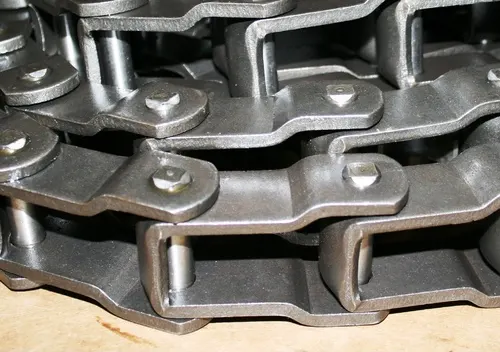

Cast Iron: An Older but Reliable Material
Though less common today, cast iron was historically used in detachable chains for its affordability and ease of casting. It is still employed in some low-cost, high-wear applications where precision and weight are less critical. Cast iron is tough but brittle, making it less desirable in modern, high-tech industries.
Cast Iron's Decline in Modern Industry
Due to advancements in materials science, cast iron has largely been replaced by steel alloys and other materials. However, it still finds niche applications in older machinery or industries where cost constraints dominate.
Nickel-Plated Chains: Enhanced Corrosion Resistance
Nickel plating is often applied to steel chains to improve their resistance to corrosion without compromising the strength of the underlying metal. This makes nickel-plated detachable chains suitable for both indoor and outdoor use, particularly in environments with moderate exposure to moisture.
Balancing Cost and Performance
Nickel-plated chains offer a middle ground between regular steel and stainless steel. They are more affordable than full stainless steel chains while offering better corrosion resistance than untreated steel, making them a versatile option for various industries.
Zinc-Coated Chains: Rust Protection on a Budget
Zinc-coated, or galvanized, chains provide a cost-effective solution for preventing rust. The zinc coating acts as a sacrificial layer, corroding before the steel underneath, thereby prolonging the chain's lifespan. This material is often used in outdoor applications, such as agriculture and construction.
Galvanization Process and Its Impact
The galvanization process involves coating the chain in a layer of zinc, either through hot-dipping or electroplating. While this extends the life of the chain, the zinc layer will eventually wear off, requiring replacement or reapplication.
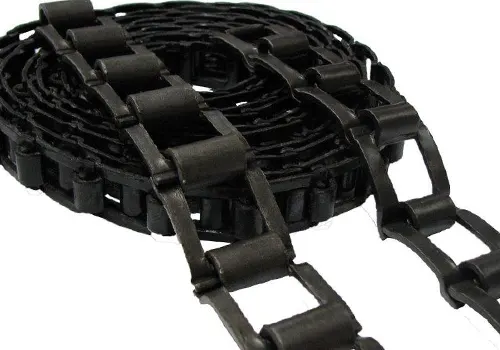
Conclusion: Material Selection Based on Application
Choosing the best material for detachable chains depends largely on the intended application, environmental factors, and budget constraints. While steel remains the industry standard, other materials like stainless steel, titanium, and synthetic options offer specialized advantages. Understanding the trade-offs between strength, corrosion resistance, and cost is key to selecting the ideal detachable chain material.
Sprockets for Detachable Chains
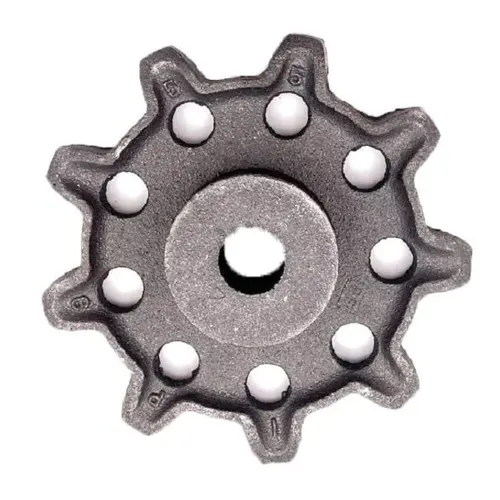
Sprockets are essential components that work in tandem with detachable chains, ensuring smooth and efficient power transmission. They play a critical role in maintaining the chain's tension and preventing slippage, which can lead to inefficiencies or damage. The selection of the right sprocket material and design is just as important as the choice of chain material, as the two must be compatible in terms of strength and wear resistance. Our company not only specializes in high-quality detachable chains but also offers a wide range of sprockets to complement them, ensuring seamless performance.

About Us
Our company has established itself as a leader in the production of detachable chains, serving major clients across Europe and North America. With a reputation built on delivering the highest product quality, we offer unparalleled service and competitive pricing. Our detachable chains are engineered with precision, using the finest materials to meet the rigorous demands of various industries. With state-of-the-art production facilities and a dedicated team, we ensure that every product meets the highest standards of durability and performance. Whether for industrial machinery, agricultural equipment, or specialized applications, we provide solutions that exceed expectations.


Edited by: Zqq