

Introduction
In the world of gearboxes, two commonly used materials for worm gearboxes are aluminum and steel. While both materials are suitable for various applications, they have distinct characteristics that set them apart. In this article, we will explore the differences between aluminum and steel worm gearboxes and understand their unique properties.
Aluminum Worm Gearboxes
Aluminum worm gearboxes are lightweight and offer excellent corrosion resistance. This makes them ideal for applications where weight reduction and resistance to environmental factors are crucial. Additionally, aluminum gearboxes provide good heat dissipation properties, ensuring optimal performance even under high temperatures. However, they may have lower load-carrying capacities compared to steel gearboxes.
Steel Worm Gearboxes
Steel worm gearboxes, on the other hand, are known for their exceptional strength and durability. They can handle heavier loads and offer higher torque capacities compared to their aluminum counterparts. Steel gearboxes are commonly used in applications that require high precision and robustness, such as heavy machinery and industrial equipment. However, they may be more susceptible to corrosion if not properly protected.
Comparing Aluminum and Steel Worm Gearboxes
Now, let's dive deeper into the specific differences between aluminum and steel worm gearboxes:
1. Material Composition
Aluminum gearboxes are primarily made of aluminum alloys, which are lightweight and provide good corrosion resistance. On the other hand, steel gearboxes are made of various steel alloys, offering exceptional strength and toughness.
2. Weight
Aluminum gearboxes are significantly lighter than steel gearboxes, making them suitable for applications where weight reduction is essential, such as aerospace or automotive industries.
3. Corrosion Resistance
Aluminum gearboxes have superior corrosion resistance compared to steel gearboxes. This makes them ideal for outdoor or harsh environments where exposure to moisture or chemicals is a concern.
4. Load-Carrying Capacity
Steel gearboxes have higher load-carrying capacities than aluminum gearboxes. They can handle more substantial loads and offer increased torque capacities, making them suitable for heavy-duty applications.
5. Heat Dissipation
Aluminum gearboxes exhibit better heat dissipation properties than steel gearboxes. This allows them to dissipate heat more efficiently, preventing overheating and ensuring consistent performance.
6. Applications
Aluminum gearboxes are commonly used in industries such as automotive, robotics, and electronics, where weight reduction and corrosion resistance are essential. Steel gearboxes find applications in heavy machinery, industrial equipment, and other demanding environments that require high strength and durability.
Electric motors for sale
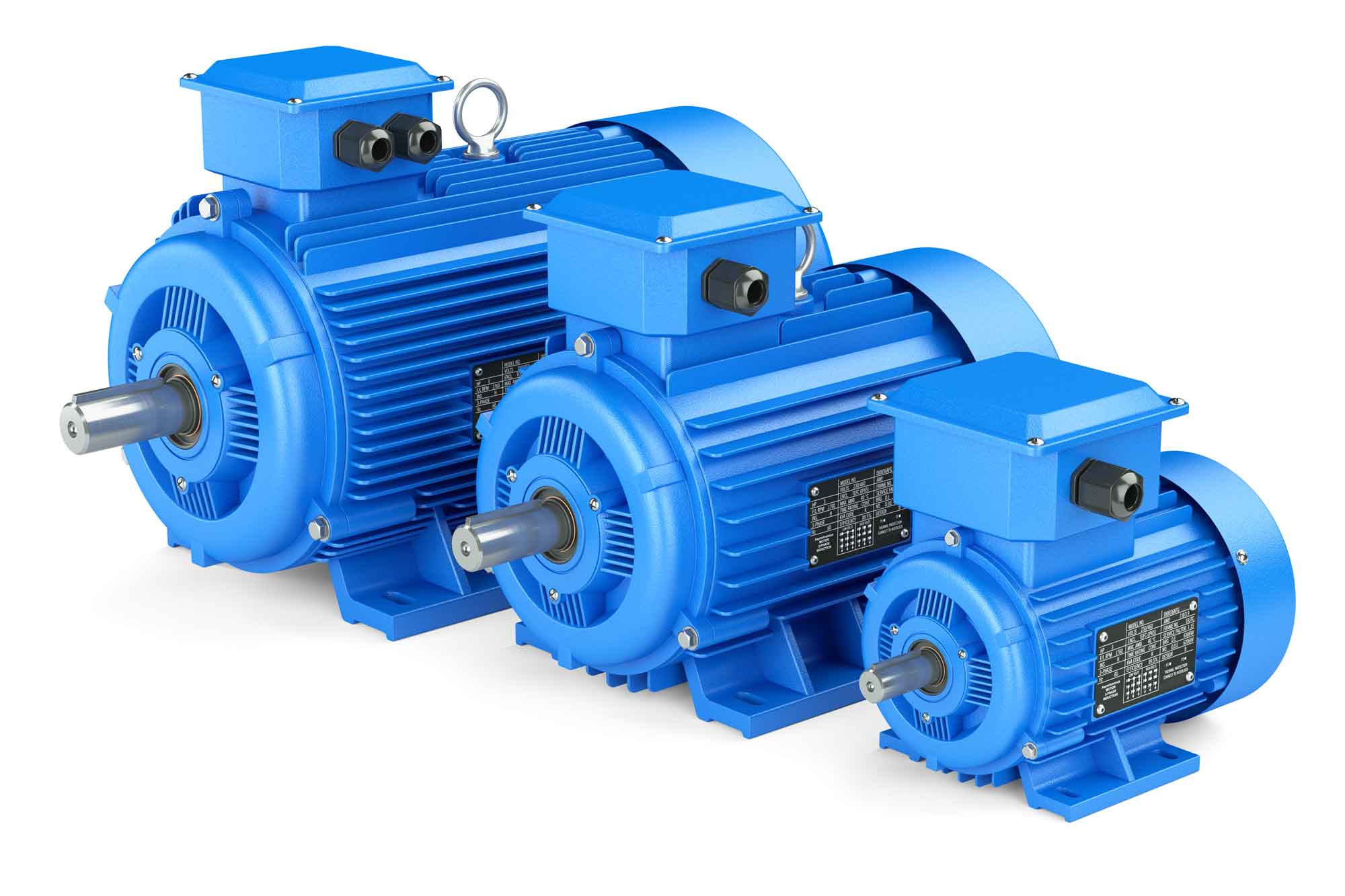
Electric motors play a vital role in conjunction with worm gearboxes. They provide the necessary power to drive the gearboxes, enabling efficient transmission of motion and torque. The combination of a high-quality worm gearbox and a reliable electric motor ensures optimal performance in various applications.
At our company, we offer a comprehensive range of electric motors for sale, perfectly matched with our worm gearboxes. Our motors are designed to provide reliable and efficient power, complementing the performance of our gearboxes. We understand the importance of the perfect synergy between gearboxes and electric motors in achieving optimal productivity and performance.

About Us
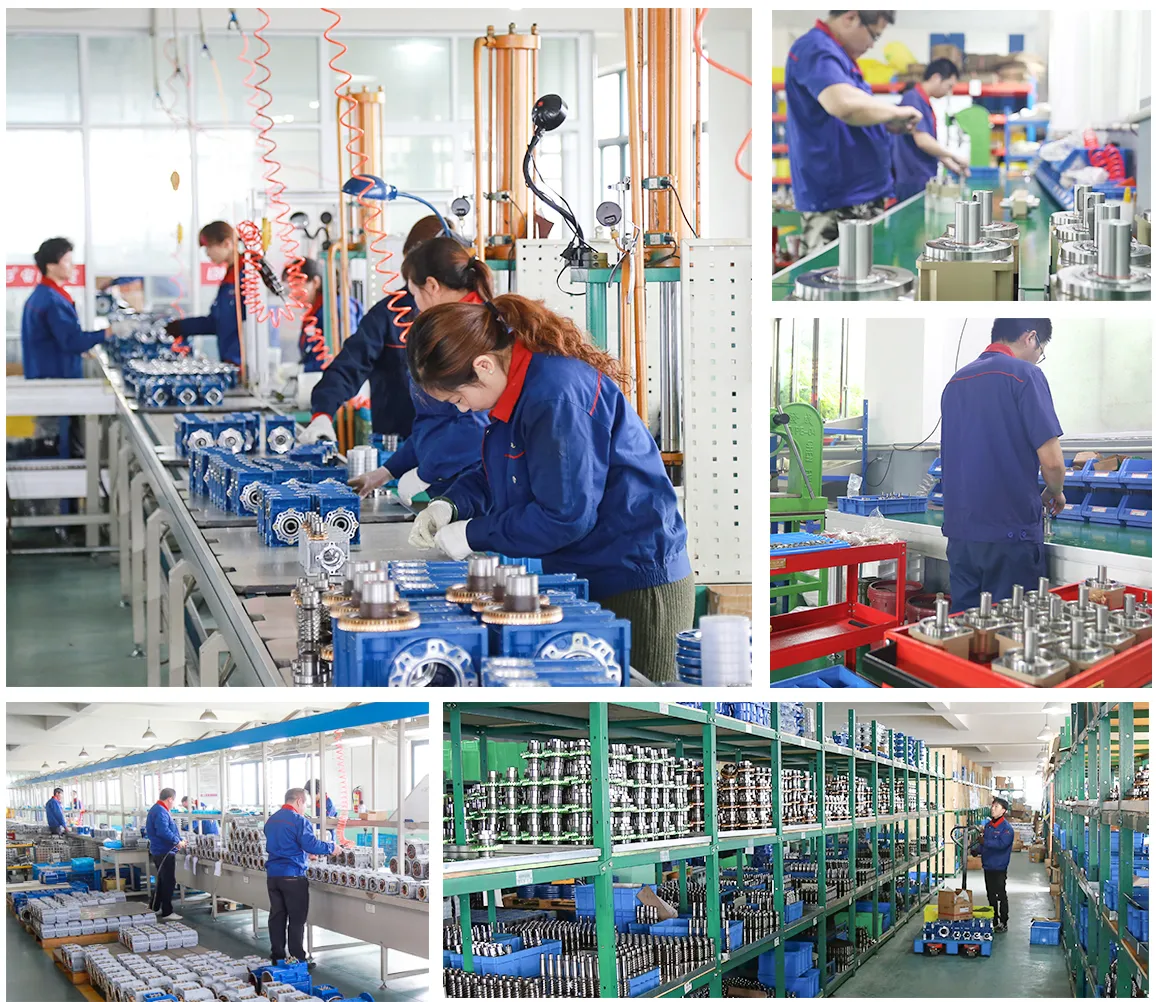
Our company is a leading manufacturer of worm gearboxes, specializing in research, development, manufacturing, and sales. With over 25 years of experience, we have established ourselves as a trusted provider of high-quality speed reducers. Our gearboxes serve customers worldwide, with a strong presence in Europe and America, where we have earned a reputation for excellence.
Our commitment to delivering the highest quality products and superior service sets us apart from the competition. We continuously invest in advanced production equipment and testing facilities, ensuring the precision and reliability of our gearboxes. Our team comprises industry professionals and technicians who drive innovation and contribute to our manufacturing process.
Throughout the years, our consistent focus has been on providing customers with high-quality, energy-efficient, and stable gearboxes. Our products find applications across various industries, including equipment, food, car washing, packaging, transmission, automation, and solar energy. We are proud to have gained the trust and satisfaction of our customers.

Q&A
Q1: Can I use an aluminum worm gearbox in a heavy-duty industrial application?
A1: While aluminum gearboxes offer good corrosion resistance, they may not have the necessary load-carrying capacity required for heavy-duty applications. Steel gearboxes are better suited for such scenarios.
Q2: Are steel worm gearboxes more expensive than aluminum ones?
A2: Generally, steel gearboxes tend to be slightly more expensive due to the higher cost of materials and manufacturing processes involved.
Q3: Are aluminum gearboxes suitable for outdoor applications?
A3: Yes, aluminum gearboxes are highly resistant to corrosion, making them ideal for outdoor environments where exposure to moisture and other elements is a concern.
Q4: What maintenance is required for steel worm gearboxes?
A4: Steel gearboxes may require periodic lubrication and protection against corrosion to maintain their performance and longevity.
Q5: Can I replace an existing aluminum gearbox with a steel one without any modifications?
A5: It is essential to consider the compatibility of the gearbox with the specific application. Besides, the dimensions and mounting requirements may differ between aluminum and steel gearboxes, potentially requiring modifications.
Edited by: Zqq.