

Introduction
Gripper chains, also known as clamping chains, are crucial components in various industrial applications. These chains play a vital role in gripping, transporting, and securing objects in manufacturing processes. To ensure optimal performance and compatibility, it is essential to understand the standard sizes and specifications of gripper chains.
Standard Sizes of Gripper Chains
Gripper chains are available in a range of sizes to accommodate diverse industrial needs. Manufacturers produce gripper chains in standard pitch sizes, including 3/8″, 1/2″, 5/8″, and 3/4″. Each pitch size corresponds to a specific chain width, which can vary between 0.375″ and 0.75″. The selection of the appropriate gripper chain size depends on the load requirements, gripping mechanism, and application.
Specifications of Gripper Chains
Gripper chains come with various specifications that enhance their performance and durability. These specifications include material composition, surface treatment, and load capacity. Common materials used for gripper chains include carbon steel, stainless steel, and alloy steel. The choice of material depends on factors such as corrosive environment, temperature, and strength requirements. Additionally, gripper chains undergo surface treatments, such as heat treatment and coating, to enhance their resistance to wear, corrosion, and fatigue.
Furthermore, gripper chains are designed to withstand different load capacities, ranging from light-duty to heavy-duty applications. The load capacity of a gripper chain depends on factors like chain size, material, and construction. It is crucial to consider the maximum load requirements of the application and select a gripper chain with an appropriate load capacity.
Gripper Chains Sizing and Selection Guide
When choosing gripper chains for specific applications, it is important to follow a comprehensive sizing and selection guide. The table below highlights the key factors to consider when purchasing gripper chains:
| Factors | Considerations |
|---|---|
| Chain Size | Choose the appropriate chain size based on pitch and width dimensions. |
| Material | Select the material that suits the application's environmental and strength requirements. |
| Surface Treatment | Consider the surface treatment options to enhance chain's resistance to wear and corrosion. |
| Load Capacity | Determine the maximum load requirements and select a gripper chain with a suitable load capacity. |
By following this guide, users can make informed decisions when procuring gripper chains, ensuring optimal performance and longevity in their applications.
Sprockets for Gripper Chains
Sprockets and gripper chains are interdependent components that work in tandem to achieve efficient and reliable gripping mechanisms. Sprockets are toothed gears that engage with gripper chains, guiding their movement and ensuring synchronized motion. The selection of appropriate sprockets is essential for the smooth operation and longevity of gripper chains.
Our company offers a wide range of high-quality sprockets specifically designed to complement gripper chains. Our sprockets are precision-engineered, ensuring accurate and reliable engagement with gripper chains. By using our compatible sprockets, customers can maximize the performance and lifespan of their gripper chains.


Our Advantages
Choosing our company as your gripper chains supplier brings several distinct advantages:
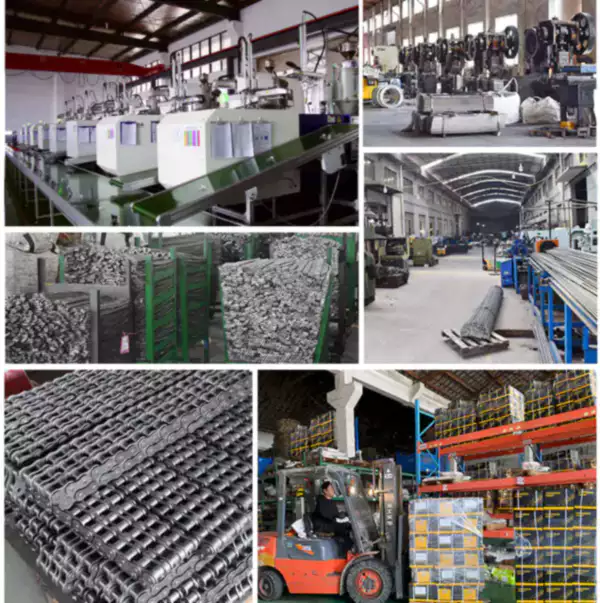
- We are a leading manufacturer of gripper chains, ensuring superior quality and competitive pricing.
- Our gripper chains are manufactured using high-grade materials, guaranteeing exceptional strength and durability.
- We offer a wide range of gripper chain sizes and specifications, catering to diverse industrial applications.
- Our gripper chains undergo rigorous testing and quality control measures, ensuring consistent performance and reliability.
- As a direct manufacturer, we provide customized solutions and prompt customer support, meeting unique requirements and minimizing downtime.

Q&A about Gripper Chains
Q: What is the recommended maintenance routine for gripper chains?
A: Proper maintenance of gripper chains involves regular lubrication, inspection for wear or damage, and prompt replacement of any worn or damaged components.
Q: Can gripper chains be used in high-temperature environments?
A: Yes, gripper chains can be manufactured using heat-resistant materials and surface treatments, enabling their use in high-temperature environments.
Q: Are gripper chains suitable for applications requiring high corrosion resistance?
A: Absolutely. Gripper chains made from stainless steel or with suitable coatings provide excellent corrosion resistance, making them suitable for corrosive environments.
Edited by Zqq.