

If you have ever worked with silent chains, you know how important they can be for maintaining quiet and efficient power transmission. These chains are made up of multiple interlocking plates that are designed to run smoothly and quietly, making them ideal for a wide range of industrial applications. However, if you want to get the most out of your silent chains, it is essential to install them correctly. In this article, we will provide you with some installation tips to help you get the best performance from your silent chains.
1. Understand Your Chain's Specs
The first step in installing any type of chain is to understand its specs. With silent chains, this means knowing the maximum allowable load, the pitch, and the number of links in the chain. You should also take note of any special features, such as lubrication grooves or side plates, that may affect the installation process.
2. Check for Wear and Damage
Before installing a new silent chain, it is essential to check the old chain for signs of wear or damage. Check for bent or broken links, signs of rust or corrosion, and any other signs of wear or fatigue that could affect the new chain's performance. If you notice any issues, replace the old chain before installing the new one.
3. Lubricate the Chain
Silent chains rely on proper lubrication to run smoothly and quietly. Before installing your new chain, make sure to lubricate it properly. You can use a specialized chain lubricant or a light oil, such as motor oil, to lubricate the chain. Apply the lubricant evenly to all of the chain's links, and wipe away any excess with a clean cloth.
4. Tension the Chain Correctly
Proper chain tension is critical for ensuring smooth and efficient power transmission. When installing your new silent chain, make sure to tension it correctly. A chain that is too loose can lead to excessive wear and noise, while a chain that is too tight can lead to premature failure. Follow the manufacturer's recommendations for tensioning your chain, and check the tension regularly to ensure it remains within spec.
5. Align Sprockets Properly
The final step in installing a new silent chain is to align the sprockets properly. Misaligned sprockets can cause the chain to wear unevenly or even jump off the sprockets, leading to catastrophic failure. Use a straight edge or laser alignment tool to ensure that the sprockets are aligned correctly both horizontally and vertically.
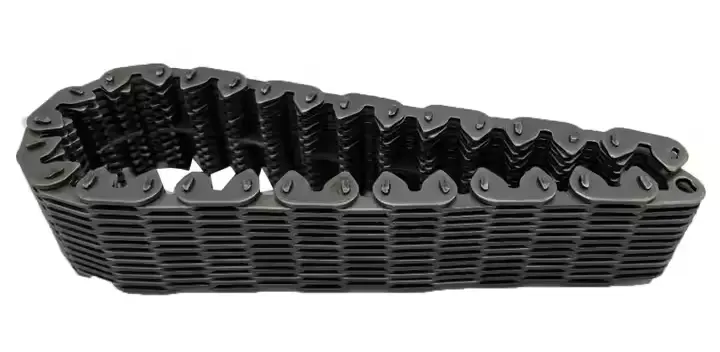

As you can see, installing a silent chain correctly requires attention to detail and a thorough understanding of the chain's specs and installation requirements. By following these tips, you can ensure that your silent chains provide reliable, quiet, and efficient power transmission for years to come.
Sprockets for Silent Chains
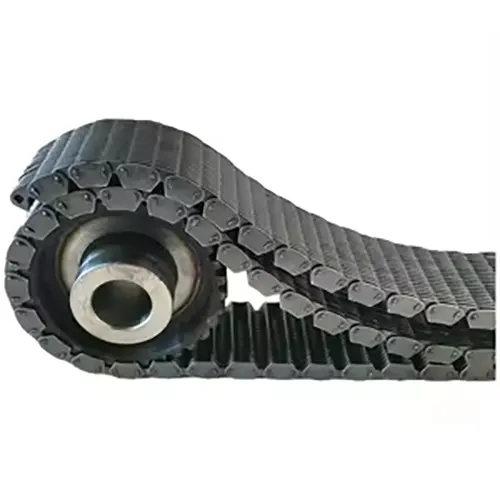
Silent chain sprockets and inverted tooth chains go hand in hand. The sprocket's teeth mesh with the chain's links, providing the power transmission that drives the system. Without the sprocket, the chain would have nothing to drive, and without the chain, the sprocket would have nothing to transmit power to. Therefore, it is essential to choose the right sprockets for your silent chains to ensure reliable and efficient power transmission.

About Us
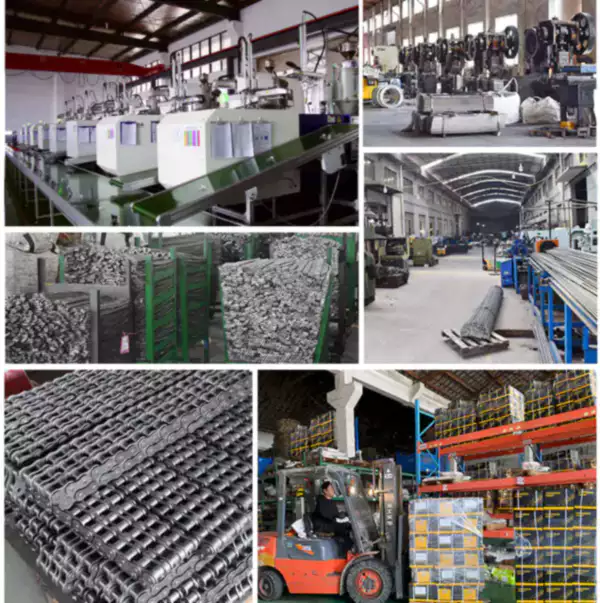
RP Techniek BV is the Netherlands sales agent of the Ever-power Group. We are a leading supplier of silent chains and strive to provide competitive pricing and high-quality service. Our products are exported to markets such as the United States, Canada, Japan, Korea, Brazil, and Australia, accounting for more than 90% of the total volume. We are committed to providing our clients with high-quality products and services.

Q&A
Q: Can silent chains be used in high-speed applications?
A: Yes, silent chains can be used in high-speed applications, but it is important to choose the right chain for the application. High-speed chains have tighter pitch tolerances and are often made of more durable materials to handle the increased stress.
Q: How do I know if my silent chain is worn out?
A: Signs of a worn-out silent chain include excessive noise, vibration, and chain stretch. You may also notice signs of wear or fatigue on the chain's links or sprockets.
Q: Can silent chains be repaired?
A: In some cases, it is possible to repair a damaged silent chain by replacing individual links or plates. However, it is often more cost-effective to replace the entire chain.
Q: What is the difference between a silent chain and a standard roller chain?
A: Silent chains are designed to run more smoothly and quietly than roller chains. They are made up of multiple interlocking plates that run on sprockets with matching teeth. Roller chains, on the other hand, use rollers that run on sprockets with teeth.
Q: Can I use a standard roller chain sprocket with a silent chain?
A: No, you should always use a sprocket that is designed specifically for use with a silent chain. Using the wrong sprocket can lead to premature wear and failure of the chain.
Edited by: Zqq.