

Introduction
When it comes to selecting a gripper chain, there are various cost considerations that need to be taken into account. In this article, we will explore the key factors that impact the cost of gripper chains and provide valuable insights into making an informed purchasing decision.
Gripper Chain Materials: Finding the Perfect Balance
The choice of material for a gripper chain greatly influences its cost and performance. There are several options available, each with its own advantages and disadvantages. Let's delve into the different materials used in gripper chain manufacturing:
1. Carbon Steel
Carbon steel is a popular choice for gripper chains due to its affordability and durability. It offers excellent strength and resistance to wear, making it suitable for various applications. However, it may not be ideal for environments with high corrosion or extreme temperature conditions.
2. Stainless Steel
Stainless steel gripper chains are known for their exceptional corrosion resistance and ability to withstand extreme temperatures. While they offer superior performance, they come at a higher cost compared to carbon steel chains. Hence, it is crucial to evaluate the requirements of your application before opting for stainless steel.
3. Plastic
Plastic gripper chains are cost-effective options that provide good chemical resistance and low friction properties. They are lightweight and suitable for applications where noise reduction is essential. However, they may have limitations in terms of load capacity and durability.
Design Features: Balancing Complexity and Cost
The design of a gripper chain plays a significant role in its cost. Complex designs with intricate components will generally lead to higher manufacturing expenses. However, certain design features are essential for optimal performance and reliability. Let's explore these features:
1. Pin and Bushing Type
Choosing the right pin and bushing type is crucial for a gripper chain's longevity. Different types, such as solid, split, and roller pins, offer varying levels of wear resistance and ease of maintenance. It is essential to consider the specific requirements of your application to strike the right balance between cost and performance.
2. Lubrication Requirements
Lubrication is vital for maintaining the smooth operation of gripper chains. Some chains require regular lubrication to reduce friction and prevent premature wear. However, advancements in self-lubricating chains can eliminate the need for frequent maintenance, although they may come at a higher initial cost.
3. Link Plate Configuration
The configuration of link plates impacts the overall strength and flexibility of a gripper chain. Options like straight, offset, and extended pin link plates offer different capabilities, allowing you to choose based on your application's demands. However, more complex configurations may increase manufacturing costs.


The Impact of Gripper Chain Quality on Cost
Choosing a high-quality gripper chain may initially seem costly, but it can save money in the long run. Premium chains are manufactured using advanced techniques and superior materials, resulting in increased durability and extended service life. Here are some reasons why investing in quality is worth considering:
1. Reduced Downtime and Maintenance
High-quality gripper chains require less frequent maintenance and replacement, leading to reduced downtime. This results in significant cost savings by minimizing production interruptions and associated labor expenses.
2. Enhanced Performance and Efficiency
Premium gripper chains offer superior performance, enabling smoother and more efficient operations. Their enhanced durability and resistance to wear ensure consistent performance over time, improving overall productivity and minimizing the need for costly repairs or replacements.
3. Longevity in Challenging Environments
In harsh operating conditions, such as high temperatures or corrosive environments, high-quality gripper chains outperform their lower-quality counterparts. By investing in chains that can withstand these conditions, you avoid frequent replacements and the associated costs.

Gripper Chains Purchasing Guide
| Consideration | Description |
|---|---|
| Material | Choose the material based on factors like corrosion resistance, temperature tolerance, and cost. |
| Design Features | Evaluate the design features such as pin and bushing type, lubrication requirements, and link plate configuration. |
| Quality | Consider the quality of the gripper chain for improved performance, reduced downtime, and longevity. |
Sprockets for Gripper Chains
Sprockets and gripper chains go hand in hand, as the proper selection of sprockets is essential for optimal gripper chain performance. The interaction between the two components is crucial for smooth motion and efficient operation. Our company offers a range of sprockets specifically designed for gripper chains, ensuring a perfect match. Take a look at our grip chain sprockets below:


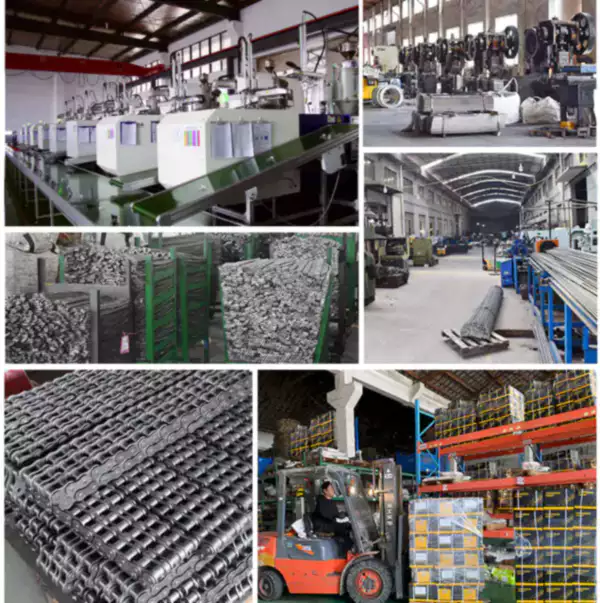
Our Advantages as a Gripper Chain Manufacturer
Choosing us as your gripper chain manufacturer comes with several benefits. Here are five reasons why you should consider partnering with us:
- 1. Extensive Manufacturing Experience: With years of experience in gripper chain production, we have gained a deep understanding of customer requirements and industry standards.
- 2. High-Quality Products: We pride ourselves on delivering gripper chains that meet the highest quality standards, ensuring durability and reliable performance.
- 3. Customization Options: We offer the flexibility to customize gripper chains to match your specific application needs, providing tailor-made solutions.
- 4. Timely Delivery: Our efficient production processes and streamlined supply chain enable us to meet delivery timelines, minimizing project delays.
- 5. Excellent Customer Support: Our dedicated support team is always ready to assist you, providing prompt responses and solutions to your inquiries and concerns.

Q&A Section
Q: Can gripper chains be used in high-temperature environments?
A: Yes, certain gripper chains, such as those made from stainless steel, are specifically designed to withstand high temperatures without compromising performance.
Q: Are gripper chains suitable for heavy-duty applications?
A: Absolutely! Gripper chains come in various configurations and materials, allowing them to handle heavy loads and endure demanding conditions.
Q: How often should gripper chains be lubricated?
A: The lubrication frequency depends on the specific chain type and operating conditions. It is recommended to follow the manufacturer's guidelines or consult with experts to ensure optimal performance.
Edited by Zqq.