

Inverted tooth timing chains are used in various applications, including automotive engines, industrial machines, and construction equipment. These chains are known for their strength, durability, and efficiency. However, like all mechanical components, inverted tooth timing chains can experience problems over time. In this article, we will discuss common problems with inverted tooth timing chains and how to troubleshoot them.
1. Chain elongation
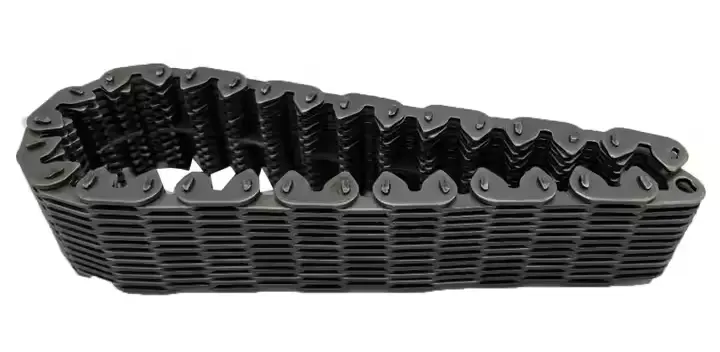
One of the most common problems with inverted tooth timing chains is chain elongation. Chain elongation occurs when the distance between the pins in the chain increases over time due to wear and tear. This can cause the timing of the engine or machine to become out of sync, leading to reduced performance and potential damage to the engine or machine.

2. Chain wear
Another common problem with inverted tooth timing chains is chain wear. Chain wear occurs when the teeth on the chain wear down due to friction with the sprockets. This can cause the chain to slip or jump teeth, leading to a loss of power and potential damage to the engine or machine.
3. Misaligned sprockets
Misaligned sprockets can also cause problems with inverted tooth timing chains. When the sprockets are not aligned correctly, the chain can become twisted or bent, leading to uneven wear and potential damage to the chain and sprockets.

4. Improper tension
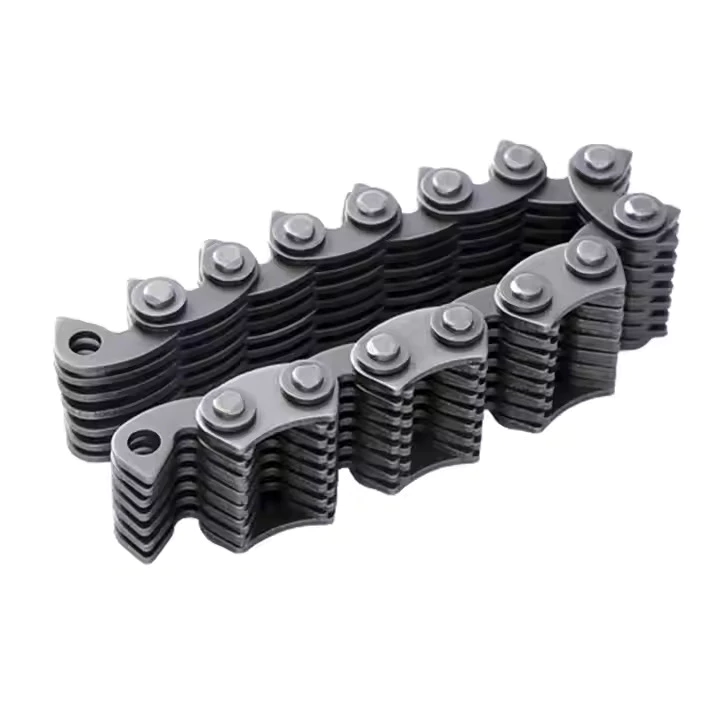
Inverted tooth timing chains need to be tensioned properly to function correctly. If the chain is too loose, it can cause excessive wear and potential damage to the chain and sprockets. If the chain is too tight, it can cause the chain to snap or break.
5. Lack of lubrication
Inverted tooth timing chains require proper lubrication to function correctly. If the chain is not lubricated properly, it can cause excessive wear and potential damage to the chain and sprockets. It can also cause the chain to produce excess noise.

6. Sprockets for Silent Chains
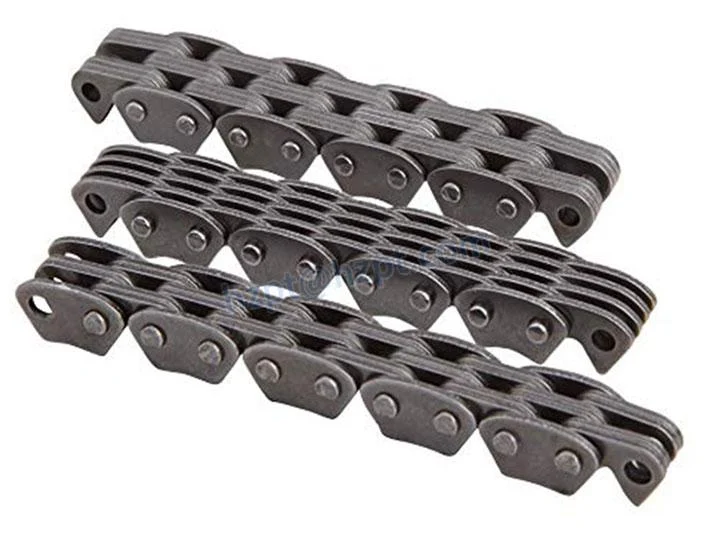
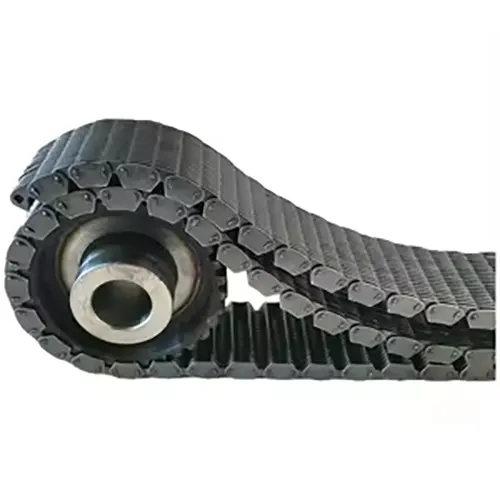
Sprockets for silent chains are an essential component of inverted tooth timing chains. The sprockets are designed to work with the chain's unique tooth profile, ensuring smooth and efficient operation. Without the proper sprockets, the chain can experience premature wear and potential damage.

About Us
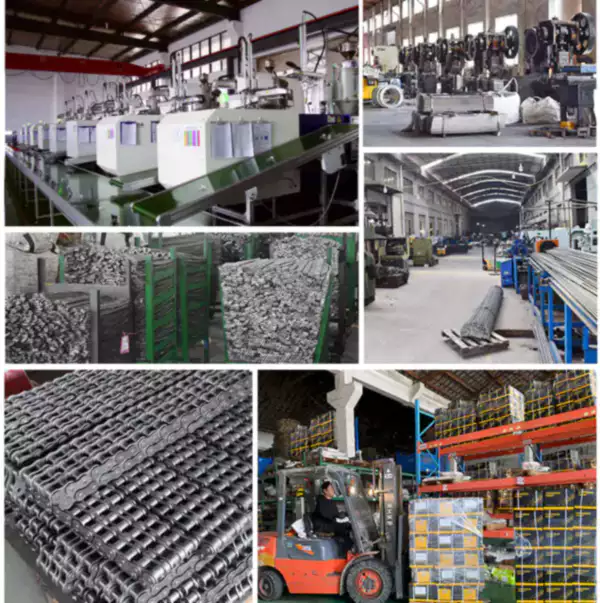
RP Techniek BV is the Netherlands sales agent of the Ever-power Group. We are a leading supplier of silent chains and related components. Our products are exported to markets such as the US, Canada, Japan, Korea, Brazil, and Australia, with over 90% of our products being sold overseas. We are committed to providing competitive prices and high-quality service to our customers.

Q&A
1. How long do inverted tooth timing chains last?
The lifespan of an inverted tooth timing chain depends on various factors, including usage, maintenance, and environmental conditions. With proper maintenance and use, these chains can last for many years.
2. Can I reuse an inverted tooth timing chain?
It is generally not recommended to reuse an inverted tooth timing chain as it can cause premature wear and potential damage to the engine or machine. It is best to replace the chain with a new one if it shows signs of wear or elongation.
3. Can I use a different type of chain with my sprockets?
No, it is not recommended to use a different type of chain with your sprockets as they are designed to work together. Using a different type of chain can cause premature wear and potential damage to the chain and sprockets.
4. How can I tell if my inverted tooth timing chain needs replacing?
Signs that your inverted tooth timing chain needs replacing include excessive noise, reduced performance, and visible signs of wear or elongation. It is best to have a professional inspect the chain if you suspect it needs replacing.
5. Can I install an inverted tooth timing chain myself?
It is not recommended to install an inverted tooth timing chain yourself unless you have the required knowledge and experience. It is best to have a professional install the chain to ensure proper installation and prevent potential damage to the engine or machine.
Edited by: Zqq.