

Inverted tooth timing chains are becoming increasingly popular because of their advantages over traditional roller chains. However, for the best performance, it is essential to ensure proper tension in these chains. In this article, we will discuss the factors that affect chain tension and provide tips for achieving proper tension in inverted tooth timing chains.
What are Inverted Tooth Timing Chains?
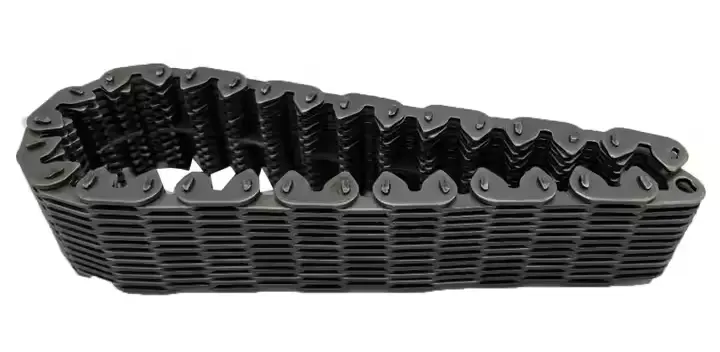
Inverted tooth timing chains are a type of silent chain that uses toothed links instead of rollers. The chain's teeth mesh with the matching teeth on the sprocket, allowing for synchronous motion. The inverted tooth design reduces noise, vibration, and wear and increases the chain's load-carrying capacity.
Factors Affecting Chain Tension
Several factors can affect chain tension, including chain length, chain pitch, sprocket size, and thermal expansion. Understanding these factors is essential to achieve proper chain tension.
Chain Length
The chain's length determines the center-to-center distance between the sprockets. The chain length should be such that the chain can accommodate all possible variations in distance between the sprockets.
Chain Pitch
The chain pitch is the distance between the centers of two adjacent chain links. The pitch must match the sprocket's pitch to ensure proper engagement between the chain and the sprocket.
Sprocket Size
The sprocket size affects the chain's tension and its load-carrying capacity. A larger sprocket will reduce the chain's tension, while a smaller sprocket will increase it.
Thermal Expansion
The chain's length increases with temperature due to thermal expansion. Therefore, the chain's tension should be adjusted to compensate for this increase.
Tips for Achieving Proper Chain Tension
Follow these tips to ensure proper tension in inverted tooth timing chains:
Use a Tensioner
Use a tensioner to take up the slack in the chain and maintain proper tension. A tensioner can compensate for variations in distance between the sprockets and changes in chain length due to thermal expansion.
Use a Properly Sized Sprocket
Use a sprocket that is properly sized for the chain. A larger sprocket will reduce the chain's tension, while a smaller sprocket will increase it.
Check Chain Length
Check the chain's length to ensure that it is appropriate for the distance between the sprockets. Adjust the chain length if necessary.
Check Chain Pitch
Check that the chain pitch matches the sprocket pitch. Use a sprocket and chain combination that is designed for the application.
Adjust Tension for Thermal Expansion
Adjust the chain's tension to compensate for thermal expansion. The chain's tension should be checked and adjusted periodically.

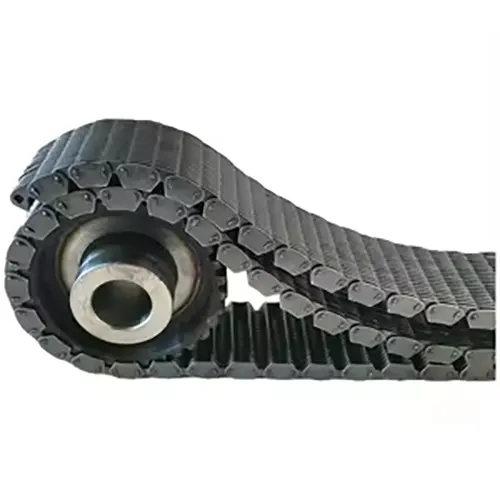
Sprockets for Silent Chains
Silent chain sprockets and inverted tooth timing chains are designed to work together. The sprockets' teeth mesh with the matching teeth on the chain, allowing for synchronous motion and reducing noise, vibration, and wear. At RP Techniek BV, we offer a range of silent chain sprockets that are designed to work seamlessly with our inverted tooth timing chains. Our sprockets are made of high-quality materials and undergo rigorous quality control to ensure reliable performance.

About Us
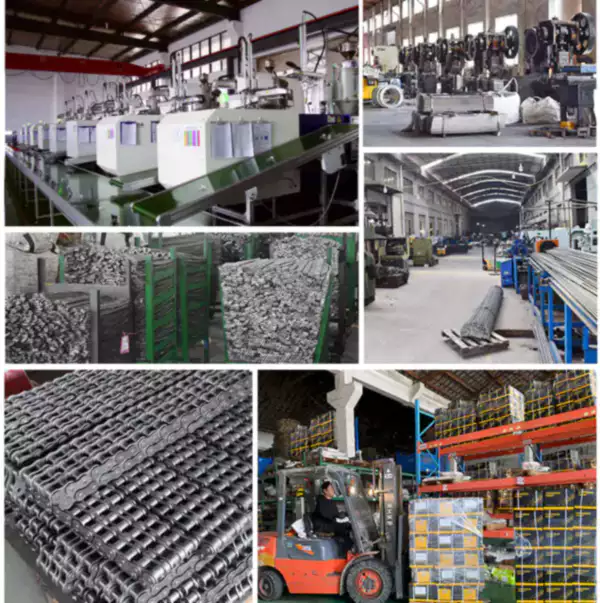
RP Techniek BV is the Dutch sales agent of the Ever-power Group. We are a leading supplier of silent chains and sprockets, serving customers in the United States, Canada, Japan, Korea, Brazil, Australia, and other markets. Our products are known for their quality, reliability, and competitive pricing. We are committed to providing our customers with exceptional service and support.

Q&A
Q: How often should I check the chain's tension?
A: The chain's tension should be checked periodically, depending on the application's severity. In general, it is recommended to check the chain's tension every 100 hours of operation or every six months.
Q: Can I reuse a tensioner?
A: It is not recommended to reuse a tensioner. A tensioner can wear out over time, and reusing it can compromise the chain's performance and reliability.
Q: What is the maximum operating temperature for inverted tooth timing chains?
A: The maximum operating temperature for inverted tooth timing chains depends on the material and design of the chain. In general, the maximum operating temperature is around 200¡ãC for standard chains and up to 300¡ãC for high-temperature chains.
Q: Can I use lubrication on inverted tooth timing chains?
A: It is generally not recommended to use lubrication on inverted tooth timing chains, as it can attract dirt and debris that can compromise the chain's performance. However, in certain applications where lubrication is necessary, special lubricants designed for silent chains can be used.
Q: What is the difference between inverted tooth timing chains and roller chains?
A: Inverted tooth timing chains use toothed links instead of rollers, which reduces noise, vibration, and wear and increases the chain's load-carrying capacity. Roller chains use cylindrical rollers that rotate between the sprocket teeth, and are suitable for applications with lower loads and speeds.
Q: What is the advantage of using silent chains?
A: Silent chains offer several advantages over traditional roller chains, including reduced noise, vibration, and wear, increased load-carrying capacity, and longer service life. They are suitable for applications that require high performance, reliability, and low maintenance.
Edited by: Zqq.