

Introduction
In today's fast-paced manufacturing industry, finding the right balance between speed and precision is crucial for optimizing gripper chain operations. Gripper chains play a vital role in various automated systems, ensuring efficient and reliable movement of materials and products. This article will explore the challenges of finding the perfect balance between speed and precision and provide insights into optimizing gripper chain operations to enhance productivity and accuracy.
Understanding Gripper Chains
Gripper chains, also known as conveyor chains, are essential components in material handling systems. These chains consist of interconnected links that form a continuous loop, allowing for the smooth and controlled transportation of goods. The gripper chain‘s primary function is to grip, hold, and move objects along the production line or within a warehouse environment.
Link Design and Construction
The design and construction of gripper chain links significantly impact their performance. High-quality gripper chains are engineered with precision to ensure optimal strength, durability, and smooth operation. The links are carefully designed to securely hold items while minimizing friction and wear, thus maximizing the lifespan of the chain.
Tensioning and Alignment
Proper tensioning and alignment are essential for the efficient functioning of gripper chains. A well-adjusted tensioning system ensures that the gripper chain maintains the necessary tension throughout its operation, minimizing the risk of slippage or jamming. Correct alignment, on the other hand, enables smooth movement and prevents unnecessary strain on the chain, reducing the chances of premature failure.
Lubrication and Maintenance
Regular lubrication and maintenance are critical for ensuring the longevity and optimal performance of gripper chains. Adequate lubrication minimizes friction between the chain links, reducing wear and tear and preventing excessive heat generation. Routine maintenance, including inspections and cleaning, allows for the early detection of potential issues and ensures that the gripper chains operate smoothly and reliably.
Optimizing Gripper Chain Operations
To achieve the perfect balance between speed and precision in gripper chain operations, several factors need to be considered and optimized. Let's explore some key strategies for enhancing the efficiency and accuracy of gripper chain systems:
1. Determining the Optimal Chain Speed
One crucial factor in achieving the right balance is determining the optimal chain speed. The speed should be set to maximize productivity without compromising accuracy or increasing the risk of damage to the transported items. Careful analysis of the production requirements and capabilities of the gripper chain system is necessary to identify the ideal speed.
2. Implementing Advanced Control Systems
Advanced control systems, such as programmable logic controllers (PLCs) and motion control algorithms, play a vital role in optimizing gripper chain operations. These systems enable precise control over the movement, acceleration, and deceleration of the gripper chains, ensuring smooth and accurate transportation of goods.
3. Integrating Precision Sensors
The integration of precision sensors in gripper chain systems is instrumental in achieving high levels of accuracy. Sensors can detect the position, orientation, and speed of the transported items, allowing for real-time adjustments and ensuring precise placement and alignment throughout the production process.
4. Continuous Monitoring and Feedback
Continuous monitoring and feedback mechanisms help identify any deviations or anomalies during gripper chain operations. Real-time data collection allows for proactive measures to be taken, such as adjusting speed, tension, or alignment, to maintain optimal performance and minimize errors.
5. Training and Skill Development
Investing in training and skill development for the operators and maintenance personnel is essential for maximizing the efficiency of gripper chain operations. Well-trained individuals can effectively handle and troubleshoot potential issues, minimizing downtime, and ensuring smooth and uninterrupted production.
Sprockets for Gripper Chains
Sprockets play a crucial role in gripper chain operations, providing the necessary driving force and ensuring synchronized movement along the conveyor system. The selection of appropriate sprockets is vital to maintain the balance between speed and precision. Our company offers a range of high-quality sprockets specifically designed for gripper chains, ensuring optimal performance and compatibility.


Our Advantages
- Expertise in Gripper Chain Manufacturing: With years of experience, we have perfected the art of manufacturing high-quality gripper chains that excel in both speed and precision.
- Precise Engineering: Our gripper chains are meticulously engineered to provide optimal strength, durability, and smooth operation, ensuring maximum performance in various industrial applications.
- Customization Options: We understand that every project is unique. That's why we offer a wide range of customization options to meet specific requirements, ensuring the perfect balance between speed and precision.
- Reliability and Consistency: Our gripper chains undergo rigorous quality control measures to deliver consistent and reliable performance, minimizing downtime and maximizing productivity.
- Customer Satisfaction: At our company, customer satisfaction is our top priority. We strive to provide exceptional products, prompt customer support, and reliable after-sales service.
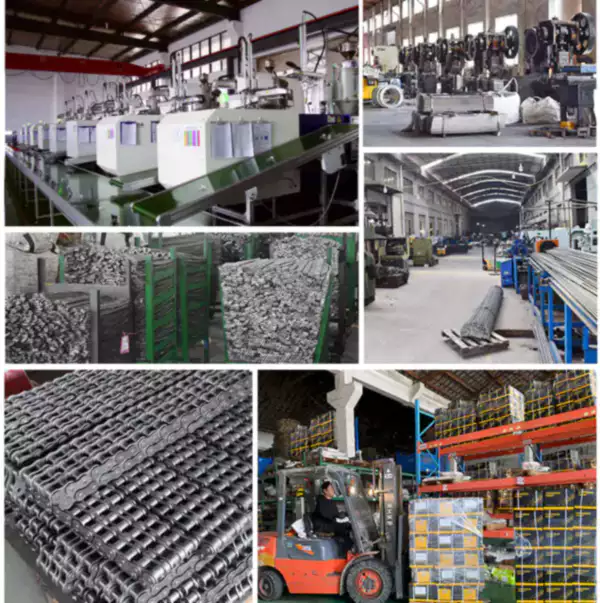

Q&A: Gripper Chains
Q: What materials are gripper chains made of?
A: Gripper chains are typically made of high-quality stainless steel, which offers excellent strength, corrosion resistance, and durability.
Q: Can gripper chains be used in harsh industrial environments?
A: Yes, gripper chains are designed to withstand harsh industrial environments. Their robust construction and corrosion-resistant materials make them suitable for various applications.
Q: How often should gripper chains be lubricated?
A: The frequency of lubrication depends on factors such as chain speed, load, and operating conditions. Generally, regular lubrication every 500-1000 operating hours is recommended.
Gripper Chains Purchasing Guide
| Key Considerations | Recommended Actions |
|---|---|
| Application Requirements | Thoroughly analyze the specific application requirements, including load capacity, speed, and environmental conditions. |
| Chain Type and Size | Select the appropriate chain type and size based on the application's demands, considering factors such as grip strength, pitch, and link design. |
| Material and Coating | Choose the right material and coating options for enhanced durability, corrosion resistance, and compatibility with the transported items. |
| Customization Needs | Consider whether customization is required to meet specific application needs, such as special attachments, lengths, or surface treatments. |
| Supplier Selection | Research and choose a reputable supplier with a track record of delivering high-quality gripper chains and excellent customer support. |
Edited by Zqq.